


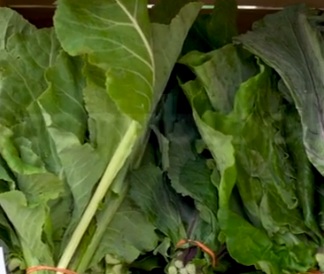

Swiss chard
Swiss Chard (Beta vulgaris L. var. cicla) is a leafy vegetable belonging to the Amaranthaceae family (formerly Chenopodiaceae), the same botanical family as beetroot and related species. It is a biennial herb, usually grown as an annual, valued for its large leaf blades and thick, fleshy stalks (stems/ribs), which together form the main edible portion.
The plant develops a basal rosette of leaves of variable size, from medium to very large, with blades ranging from light to dark green, sometimes slightly blistered, supported by petioles and fleshy ribs that may be white, yellow, orange, pink or deep red in ornamental cultivars and the so-called rainbow chard types. The root system is tap-rooted but far less swollen than in sugar beet or table beet; the agronomic target is clearly the leaf part, not the root.
Chard is typically a spring–autumn vegetable, although many varieties tolerate both moderate cold and heat, and can continue to produce leaves for an extended period. It is widely used in Mediterranean cuisine (soups, stews, savoury pies, boiled or sautéed side dishes) and in many Italian regional traditions, where it appears in vegetable pies, stuffings, omelettes/frittatas and one-dish meals combining vegetables, legumes and cereals.
From a nutritional standpoint, chard is very low in calories and high in water, yet it provides noteworthy amounts of vitamin K, vitamin A (as carotenoids), vitamin C, magnesium, potassium, manganese and other minerals. The leaves also contain chlorophyll, carotenoids, flavonoids and a certain amount of nitrates and oxalates, which are relevant both for their antioxidant potential and for nutritional safety considerations.
 |  |
Botanical classification
Common name: chard, Swiss chard, leaf beet
Botanical name: Beta vulgaris L. (leaf/chard group)
Botanical family: Amaranthaceae (formerly Chenopodiaceae)
Native range: Mediterranean area and coastal regions of Europe
Habit: biennial herb grown as an annual, forming a basal rosette of leaves
Height: 30–60 cm (leaves and petioles can exceed 70–80 cm in vigorous varieties)
Lifespan: biennial in nature, cultivated as an annual for vegetable use
Cultivation and growth conditions
Chard prefers temperate climates and grows well in cool springs and moderate summers. It tolerates light frosts, especially at a juvenile stage, but can suffer in very high temperatures that encourage bolting.
Exposure to full sun ensures strong vegetative development, although the plant adapts to light partial shade in warmer regions.
The ideal soil is medium-textured, fertile, well-drained and rich in organic matter, with a pH between 6.5 and 7.5. Soils that are compact or waterlogged hinder growth and increase disease susceptibility, while moderate salinity is tolerated better than many other leafy crops.
Maintaining consistent moisture is important to preserve leaf tenderness. In summer, regular irrigation helps keep the soil fresh, while sudden alternations between drought and over-watering may harden leaves and trigger physiological stress.
The optimal temperature range for plant growth is 15–24 °C. Below 5–6 °C development is slow, whereas excessive heat in combination with long daylength encourages premature seed formation.
Chard has moderate-to-high nutritional demands due to its leafy productivity. Before sowing, it benefits from the incorporation of well-matured compost or well-rotted manure. During cultivation, light fertilization with balanced nutrients or organic amendments supports prolonged harvest cycles. Excess nitrogen should be avoided, as it produces overly succulent tissues and increases disease vulnerability.
Routine crop care includes maintaining good soil aeration and limiting weed competition. Mulching helps retain moisture, suppress weeds and improve overall leaf quality. In humid conditions, foliar diseases such as downy mildew or cercospora may develop, and infestations of aphids or leaf miners may also appear.
Harvesting can be performed either by removing the entire rosette at the base or by cutting only the outer leaves, allowing the central heart to keep regenerating. The harvest period usually extends from spring to autumn, depending on sowing time and local climate. Frequent harvesting stimulates continuous leaf emission and prolongs plant productivity.
Chard is propagated by seed. Sowing may occur directly in the field from spring through summer or in seed trays with later transplanting once seedlings develop three to four true leaves. Seed units are actually glomerules that generate multiple seedlings, which are then thinned out to maintain proper spacing and allow balanced development.
Indicative nutritional values per 100 g (raw chard, leaf portion)
Approximate average values for 100 g of raw chard (leaves and ribs, without seasoning):
Energy: about 18–20 kcal
Water: about 92–95 g
Total carbohydrates: about 3–4 g
Total fibre: about 1.5–2 g
Protein: about 1.5–2 g
Total fat: about 0.2 g
SFA (saturated fatty acids, whose excess from all dietary sources is associated with less favourable blood lipid profiles): very low fraction
MUFA (monounsaturated fatty acids, generally favourable when they replace some SFA): present only in traces
PUFA (polyunsaturated fatty acids, including n-6 and n-3 series, involved in inflammatory balance and cardiovascular health): present in traces
Vitamin K: very high content (100 g can easily cover or exceed the daily requirement)
Vitamin A (as provitamin carotenoids): significant levels, comparable to other dark green leafy vegetables
Vitamin C: appreciable amounts (about 15–30 mg/100 g, depending on variety and freshness)
Key minerals: potassium, magnesium, manganese, iron, calcium, in relevant quantities for a leafy vegetable
In cooked chard, values per 100 g change (higher concentration of some nutrients due to water loss, but partial loss of heat-sensitive vitamins). Even so, chard remains very low in energy and micronutrient-dense.
Key constituents
In Swiss chard, the leaf portion contains a broad spectrum of nutrients and phytochemicals:
Chlorophyll and other photosynthetic pigments, responsible for the typical intense green colour.
Carotenoids (including beta-carotene, lutein and zeaxanthin), important for visual function, retinal protection and antioxidant activity.
Flavonoids and phenolic compounds (e.g. quercetin, kaempferol, various phenolic acids), with radical-scavenging properties.
Vitamins: notably vitamin K, vitamin A (as provitamin A carotenoids), vitamin C and some B-group vitamins (including folate).
Minerals: potassium, magnesium, calcium, iron, phosphorus, copper, manganese and other trace elements.
Nitrates: as in many leafy vegetables, chard can accumulate relatively high levels of nitrates, influenced by nitrogen fertilisation, light exposure and cultivation practices.
Oxalates: presence of calcium oxalate and other oxalate salts, relevant for individuals prone to kidney stones (calcium oxalate nephrolithiasis).
Dietary fibre: mainly insoluble fibre (cellulose, hemicelluloses) with a smaller fraction of soluble fibre.
This combination makes chard a vegetable with solid antioxidant potential, useful within a varied, vegetable-rich diet.
Production process
From cultivation to consumption, the main steps are:
Field cultivation: chard is sown or transplanted in open field or under cover, on well-drained soils rich in organic matter, with regular water availability. It is a relatively hardy species, suitable for both conventional and organic production.
Crop management: requires balanced supplies of nitrogen, phosphorus and potassium, with particular attention to excessive nitrogen, which can increase nitrate accumulation in leaves. Irrigation, plant density and weed control strongly influence yield and quality.
Harvesting: leaves can be harvested sequentially, cutting outer leaves and leaving the growing centre, or by uprooting the whole plant. Harvest takes place when leaves are well developed yet still tender.
Post-harvest handling: chard is trimmed, washed to remove soil and debris, sorted and, if necessary, cut into pieces (leaves and ribs).
Storage and distribution: fresh chard is highly prone to wilting, dehydration and yellowing; it is therefore kept in the cold chain, typically in crates or perforated bags, and distributed quickly.
Processing: part of the production is destined for freezing, IQF (individually quick-frozen) products, ready-to-cook mixes (e.g. pre-cooked frozen chard cubes), or used as an ingredient in ready meals (soups, ready-made side dishes, fillings).
Physical properties
Appearance: large leaves, green of varying intensity, smooth or slightly blistered surface; fleshy ribs, white or vividly coloured (yellow, pink, red) in rainbow chard.
Texture: leaf tissue is tender–leathery, ribs are crisp when raw and become soft after cooking.
Water content: very high, around 95% in fresh raw product.
Stability: in raw form, leaves are sensitive to wilting, water loss and discolouration at room temperature; once cooked they release cooking water and may lose colour with prolonged heating.
Sensory and technological properties
Flavour: mild with herbaceous notes and a variable slight bitterness depending on cultivar and leaf age; ribs are usually more sweet and juicy.
Aroma: “green”, vegetal; less intense than in many Brassicaceae; sautéing with oil, garlic or onion develops more complex cooked-vegetable notes.
Texture in cooking: briefly cooked leaves remain tender and silky; overcooking leads to very soft, less structured tissue. Ribs retain some pleasant bite if cooked al dente.
Technological functionality:
lends itself well to boiling, steaming, sautéing, braising and baking/gratin (both leaves and ribs);
adds volume, colour and moisture to soups, fillings and savoury pies;
can be blanched and then frozen with good performance on reheating;
releases a significant amount of vegetation water, which must be considered in formulations for ready meals or savoury baked goods.
Food applications
Chard is an extremely versatile ingredient:
served as a side dish, boiled or steamed and seasoned with extra virgin olive oil, lemon, garlic, herbs or spices;
used in soups and vegetable minestrone, often combined with legumes and other leafy greens;
key component of savoury pies, bakes, frittatas/omelettes and stuffings (e.g. for ravioli, cannelloni, stuffed vegetables);
featuring in many regional Italian recipes (herb pies, Ligurian chard pies, traditional soups);
in baby leaf form, eaten raw in mixed salads, where young leaves are tender and delicately flavoured.
Paired with legumes, potatoes, whole grains and fresh cheeses, chard helps create balanced and flavourful one-dish meals.
Nutrition and health
Nutritionally, chard is a low-energy, high-micronutrient vegetable with several points of interest:
high vitamin K, important for blood clotting and bone health;
vitamin A (via carotenoids), supporting vision, epithelial integrity and immune function;
vitamin C, involved in collagen synthesis, immune defence and antioxidant protection;
minerals such as magnesium, potassium, manganese and iron, contributing to muscle function, electrolyte balance and numerous enzymatic reactions.
Chard leaves also provide antioxidant compounds (carotenoids, flavonoids, phenolic acids) that contribute to reducing oxidative stress and supporting cardiovascular and metabolic health as part of a vegetable-rich diet.
At the same time, chard contains non-negligible amounts of nitrates and oxalates. Vegetable nitrates, at physiological intakes, can exert beneficial vasodilatory effects, but very high intakes and poor storage can lead to nitrite formation. Oxalates, in susceptible individuals, may contribute to kidney stone risk. For most people, within a balanced diet with rotating vegetable choices, chard remains a safe and beneficial food.
People on vitamin K antagonist therapy (e.g. warfarin) should factor in chard’s high vitamin K content: complete avoidance is not necessary, but intake should be steady and consistent, agreed with the physician, avoiding abrupt changes in consumption.
Portion note
As a general guideline for healthy adults:
a reasonable cooked chard portion is about 150–200 g (cooked weight), corresponding to roughly 2–3 ladlefuls of vegetables;
within a balanced diet, multiple daily servings of vegetables are recommended, alternating chard with other leafy greens and vegetables of different colours.
For individuals on anticoagulant therapy or with a history of kidney stones, the amount and frequency of chard consumption should be discussed with a doctor or dietitian.
Allergens and intolerances
Chard is not among the major regulated allergens.
Documented allergic reactions are rare but possible in people sensitised to other Amaranthaceae or specific plant allergens.
Individuals with a history of calcium oxalate kidney stones may consider moderating their intake of high-oxalate foods (such as chard, spinach, beet greens) in consultation with a healthcare professional, especially if additional risk factors are present.
Storage and shelf-life
Fresh chard:
should be stored in the refrigerator, in the vegetable drawer, ideally in ventilated plastic bags or containers that limit dehydration;
typical household shelf-life: 2–4 days, after which wilting, yellowing and loss of nutrients (especially vitamin C) increase;
it is best to wash leaves just before use, to reduce the risk of decay.
Cooked/frozen chard:
blanched chard can be frozen and kept for several months;
once thawed, it should not be refrozen and should be consumed promptly.
Signs of spoilage include off odours, visible mould, leaves and ribs that are slimy or heavily browned; such product should not be eaten.
Safety and regulatory
Chard is a traditional vegetable with a long history of safe human consumption. Main safety points of attention are:
nitrate content: European regulations set maximum nitrate levels for certain leafy vegetables (notably spinach and lettuce). For chard, good agronomic practice (fertilisation, light management, harvest timing) minimises excessive nitrate accumulation.
control of pesticide residues, heavy metals and microbiological contaminants, under official monitoring plans and good agricultural practices.
management of oxalates, particularly in dietary advice for patients at risk of kidney stones.
In the cosmetic field, extracts from Beta vulgaris (leaf and especially root) appear as INCI ingredients and must comply with specific rules on safety, purity and toxicological assessment of the finished product.
Labelling
For a food product based on chard:
the main ingredient is indicated as “chard”, “Swiss chard” or similar, with the form specified (fresh, frozen, cooked, puréed, etc.);
standard nutrition declaration (energy, fat, saturates, carbohydrates, sugars, fibre, protein, salt);
for processed products, a complete ingredient list and statement of any allergens or potential traces must be provided.
For cosmetic products, ingredients may appear as:
Beta Vulgaris Leaf Extract
Beta Vulgaris Root Extract
following INCI naming rules.
Troubleshooting
Chard releasing a lot of water or becoming “stringy” during cooking
possible cause: very young, water-rich plants, long boiling or cooking in a covered pan;
action: cook briefly, drain thoroughly and, if needed, finish in a pan to evaporate excess liquid.
Leaves too bitter or fibrous
cause: plants harvested late, water stress, or naturally more bitter cultivars;
action: choose younger leaves, remove the toughest parts, and use cooking methods that soften texture (boiling followed by sautéing).
Rapid wilting and discolouration
cause: storage at too high a temperature or in overly dry conditions;
action: store in the fridge, in closed or semi-closed containers with moderate humidity, and consume quickly.
Sustainability and supply chain
Chard is a vegetable with good adaptability to different soil and climate conditions and can be integrated into crop rotations with cereals, legumes and other vegetables, contributing to agricultural biodiversity.
From a sustainability standpoint:
it is well suited to organic and integrated systems, with targeted fertilisation and relatively modest plant-protection needs if well managed;
its high water content makes it an excellent candidate for efficient irrigation systems (drip, micro-irrigation), reducing waste;
processing by-products (damaged outer leaves, trimmings, ribs) can easily be used for composting, improving organic matter cycling;
wash and processing wastewater must be treated appropriately and monitored for parameters such as BOD/COD, to minimise environmental impact.
A supply chain based on good agricultural practices, quality control and waste reduction makes chard a vegetable fully aligned with the principles of a healthy and sustainable diet.
Main INCI functions (cosmetics)
In cosmetics, “chard” in a broad sense often appears through beet-derived extracts, but chard-related materials may be found under INCI such as:
Beta Vulgaris Leaf Extract (leaf extract)
Beta Vulgaris Root Extract (root extract, widely used as a colourant and supporting antioxidant)
Main cosmetic functions include:
Skin conditioning: helps keep skin in good condition, contributing to softness and comfort.
Antioxidant support: due to phenolic compounds and pigments, provides additional protection against free radicals alongside other actives.
Natural colourant (especially Beta Vulgaris Root Extract): imparts red–violet tones thanks to betalains (betacyanins and betaxanthins), used in some products for colour and “natural” positioning.
As with all botanical extracts, cosmetic use requires appropriate safety assessment, stability testing and controls on contaminants and purity.
Conclusion
Chard (Beta vulgaris var. cicla) is a classic Mediterranean leafy vegetable, combining very low energy content and high water with substantial amounts of vitamins (especially K, A, C) and minerals (including magnesium and potassium). Its carotenoids, flavonoids and other phenolics support a significant antioxidant contribution, while dietary fibre aids gut function and satiety.
Versatile in the kitchen, easy to grow and compatible with sustainable systems, chard is a smart choice for both health and the environment, provided some safety aspects (nitrates, oxalates, vitamin K in anticoagulated patients) are considered within a personalised, varied diet. In cosmetics, Beta vulgaris extracts serve as skin-conditioning, antioxidant and natural colouring ingredients, fitting the trend toward plant-based formulations.
Mini-glossary
Carotenoids: fat-soluble pigments (such as beta-carotene, lutein, zeaxanthin) with antioxidant activity and roles in visual function and protection against oxidative stress.
Flavonoids: a large family of phenolic compounds with radical-scavenging effects and potential benefits for the cardiovascular system and microcirculation.
Vegetable nitrates: naturally occurring salts in leafy greens; under normal conditions they may support vascular regulation, but in excess or with poor storage they can convert to nitrites, with safety implications.
Oxalates: organic compounds (such as calcium oxalate) that can promote kidney stone formation in susceptible individuals; present in various leafy vegetables including chard and spinach.
SFA (saturated fatty acids): fatty acids without double bonds; a high overall intake is associated with less favourable blood lipid profiles.
MUFA (monounsaturated fatty acids): fatty acids with one double bond, generally considered beneficial when they replace SFA in the diet.
PUFA (polyunsaturated fatty acids): fatty acids with two or more double bonds (n-6 and n-3 series) involved in the regulation of inflammation and cardiovascular health.
GMP/HACCP: good manufacturing practice and hazard analysis and critical control points systems, applied to food, supplement and cosmetic production to ensure quality and safety.
BOD/COD (biochemical oxygen demand / chemical oxygen demand): indicators of the organic load of wastewater, used to assess the environmental impact of processing operations.
References_________________________________________________________________________
Almeida D, Petropoulos SA, da Silveira TFF, Pires TCSP, Ferreira ICFR, Fernandes Â, Barros L. Exploring the Biochemical Profile of Beta vulgaris L.: A Comparative Study of Beetroots and Swiss Chard. Plants (Basel). 2025 Feb 14;14(4):591. doi: 10.3390/plants14040591.
Abstract. In this study, leaves and roots from three beetroot cultivars (cv. Albina Vereduna (white roots), cv. Burpee's Golden (golden roots), and cv. Pablo F1 (red roots)), as well as Swiss chard leaves (also known as "rhubarb chard", or Beta vulgaris subsp. cicla var. flavescens) were evaluated in terms of their chemical profile and bioactive properties. Roots were characterized by high carbohydrate content, which also contributed to greater energy values. In contrast, fibers were the predominant macronutrient in leaves, followed by carbohydrates. In both leaves and roots, the most abundant organic acids were quinic and oxalic, while the major free sugar was sucrose. The profile of fatty acid varied between the studied plant parts, with saturated fatty acids prevailing in root samples, while leaves exhibited higher levels of polyunsaturated fatty acids. Regarding phenolic composition, a total of 19 compounds were tentatively identified in leaves (including derivatives of vitexin, isorhamnetin, quercetin, and ferulic, sinapic, and p-coumaric acids), while the roots exhibited a less diverse composition, with a total of eight compounds identified (e.g., derivatives of ferulic, sinapic, p-coumaric and caffeic acids). A total of eight betalains were also identified, out of which seven were classified as betacyanins and one as betaxanthin. The leaves of Swiss chard presented compounds from both classes, while the roots and leaves of cv. Pablo F1 were characterized only by the presence of betacyanins, and those of cv. Burpee's Golden only by betaxanthin. All samples exhibited relevant activity against Y. enterocolitica, L. monocytogenes, and S. aureus, although leaf samples demonstrated better antioxidant capacity. In conclusion, beetroot leaves outperformed their corresponding roots in terms of chemical composition, antioxidant, and antimicrobial activity, suggesting their high potential as nutrient-rich and functional ingredients in a diverse and well-balanced diet.
Boğa M, Hacıbekiroğlu I, Kolak U. Antioxidant and anticholinesterase activities of eleven edible plants. Pharm Biol. 2011 Mar;49(3):290-5. doi: 10.3109/13880209.2010.517539.
Abstract. Context: Consumers have become more interested in beneficial effects of vegetables, fruits, and tea to protect their health. Objective: The antioxidant potential and anticholinesterase activity of eleven edible plants were investigated. Material and methods: The dichloromethane, ethanol and water extracts prepared from celery [Apium graveolens L. (Umbelliferae)], Jerusalem artichoke [Helianthus tuberosus L. (Compositae)], spinach [Spinacia oleracea L. (Chenopodiaceae)], chard [Beta vulgaris L. var. cicla (Chenopodiaceae)], purslane [Portulaca oleracea L. (Portulacaceae)], ispit, or borage [Trachystemon orientale (L.) G. Don (Boraginaceae)], garden rocket [Eruca sativa Mill. (Brassicaceae)], red cabbage [Brassica oleracea L. var. capitata f. rubra DC. (Cruciferae)], lime flower [Tilia tomentosa Moench (Tiliaceae)], cinnamon [Cinnamomum cassia Presl. (Lauraceae)], and rosehip [Rosa canina L. (Rosaceae)], were tested to determine their antioxidant and anticholinesterase activities by using CUPRAC (cupric reducing antioxidant capacity) and Ellman methods, respectively, for the first time. Results: As a result, the dichloromethane, ethanol and water extracts of cinnamon showed the best antioxidant effect among the extracts of the tested plants. The ethanol extract of cinnamon exhibited 63.02% inhibition against acetylcholinesterase and 85.11% inhibition against butyrylcholinesterase (BChE) at 200 µg/mL concentration while the dichloromethane extract of garden rocket possessed the highest inhibition (91.27%) against BChE among all the tested extracts. Discussion and conclusion: This study indicated that the ethanol extract of cinnamon may be a new potential resource of natural antioxidant and anticholinesterase compounds.
Hashem AN, Soliman MS, Hamed MA, Swilam NF, Lindequist U, Nawwar MA. Beta vulgaris subspecies cicla var. flavescens (Swiss chard): flavonoids, hepatoprotective and hypolipidemic activities. Pharmazie. 2016 Apr;71(4):227-32.
Abstract. The novel flavonoids, 2",2"'-di-O-α-rhamnopyranosyl-vicenin II, a di-C-glycosyl flavone, and herbacetin 3-O-β-xylopyranosyl- (1"' --> 2")-O-β-glucopyranoside, were isolated from the leaves of Beta vulgaris subspecies cicla L. var. flavescens, an edible plant which is consumed in the Mediterranean areas, additional to the known flavonoids, 6-C-glucosyl isoscutellarein, vitexin-(1"' --> 2")-O-β-xylopyranosyl, vitexin-(1'" --> 2")-O-α-rhamnopyranosyI and vitexin. All metabolites were established by conventional methods of analysis and their structures were confirmed by spectroscopic analysis, including 1 D and 2D-NMR and by HR-ESIMS, as well. The extract of the plant leaves shows hepatoprotective effects in rats intoxicated by administration of acetaminophen and exhibits hypolipidemic activity in rats with high-fat-diet induced hypercholesterolemia. The evaluation was done through measuring the liver function enzymes (aspartate and alanine aminotransferases and alkaline phosphatase, the lipid profile (total cholesterol, high density lipoprotein cholesterol, low density lipoprotein cholesterol and triglycerides) and histopathological analysis of liver slides.
Read other Tiiips about this object in Italian (1)
Object facts
Key information and links


