

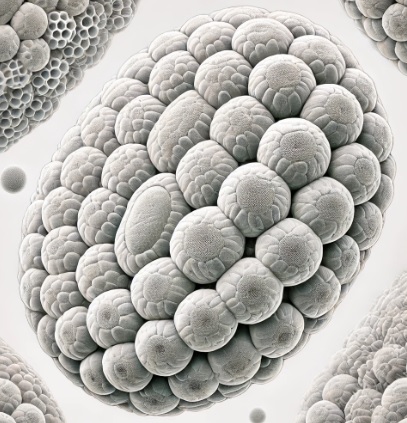
Pseudozyma epicola: what it is, uses, functions, safety
Pseudozyma epicola is a fungus belonging to the Pseudozyma family. This micromycete is known for its intriguing properties in biotechnology and medicine. It is a fungus with potential applications in various fields due to its production of biologically active compounds.

Botanical Classification
- Kingdom: Fungi
- Phylum: Ascomycota
- Class: Saccharomycetes
- Order: Saccharomycetales
- Family: Pseudozyma
- Genus: Pseudozyma
- Species: Pseudozyma epicola
Fungal Characteristics
Pseudozyma epicola is a yeast-like fungus that grows in diverse environments, including soils and plant materials. It is characterized by slow-growing yeast cultures with either single cells or short filaments. It is often studied for its ability to produce enzymes and metabolites with industrial and therapeutic applications.
Chemical Composition and Structure
The fungus is known for producing various biologically active compounds, including:
- Lipids: Production of lipids that may have antimicrobial and antioxidant activities.
- Enzymes: Enzymes such as lipases and proteases useful in industrial and environmental applications.
- Secondary Metabolites: Compounds with potential therapeutic and biotechnological applications.
Cultivation
Pseudozyma epicola is cultivated in laboratories on specific growth media, such as substrates containing sugars and mineral nutrients. Optimal growth conditions require controlled temperature and humidity. It can also be grown on plant or agricultural substrates in controlled fermentation environments.
Uses and Benefits
Biotechnology: Utilized in the production of industrial enzymes used in detergent manufacturing, waste treatment, and other industrial processes.
Medicine: Studied for its potential therapeutic applications, including the production of compounds with antimicrobial or antitumor properties.
Industry: Employed in the bioconversion of agricultural materials and waste, enhancing the sustainability of industrial processes.
Applications
Biotechnology: Production of enzymes used in fermentation processes and waste treatment.
Medicine: Research and development of biologically active compounds for potential therapeutic uses.
Industry: Use in bioconversion processes and waste treatment.
Environmental and Safety Considerations
Pseudozyma epicola is generally considered safe for its intended applications, but standard safety practices should be followed to prevent contamination and properly manage growth substrates. Ongoing environmental studies assess the impact of its use and applications to ensure sustainability and minimize potential negative effects.
References__________________________________________________________________________
Majchrzak, W., Motyl, I., & Śmigielski, K. (2022). Biological and cosmetical importance of fermented raw materials: An overview. Molecules, 27(15), 4845.
Abstract. The cosmetics industry is currently looking for innovative ingredients with higher bioactivity and bioavailability for the masses of natural and organic cosmetics. Bioferments are innovative ingredients extracted from natural raw materials by carrying out a fermentation process with appropriate strains of microorganisms. The review was conducted using the SciFinder database with the keywords “fermented plant”, “cosmetics”, and “fermentation”. Mainly bioferments are made from plant-based raw materials. The review covers a wide range of fermented raw materials, from waste materials (whey with beet pulp) to plant oils (F-Shiunko, F-Artemisia, F-Glycyrrhiza). The spectrum of applications for bioferments is broad and includes properties such as skin whitening, antioxidant properties (blackberry, soybean, goji berry), anti-aging (red ginseng, black ginseng, Citrus unshiu peel), hydrating, and anti-allergic (aloe vera, skimmed milk). Fermentation increases the biochemical and physiological activity of the substrate by converting high-molecular compounds into low-molecular structures, making fermented raw materials more compatible compared to unfermented raw materials.
Kucharska, E. (2025). Recent Progress in Fermentation of Asteraceae Botanicals: Sustainable Approaches to Functional Cosmetic Ingredients. Applied Sciences, 16(1), 283.
Abstract. The skin microbiome is in a very close mutualistic relationship with skin cells, influencing their physiology and immunology and participating in many dermatological conditions. Today, there is much interest in cosmetic ingredients that may promote a healthy microbiome, especially postbiotics, mainly derived from fermented products. In the present work, we studied the effects on skin microbiota of new patented natural oils obtained by unique fermentation technology in vivo. Three fermented oils were evaluated: F-Shiunko (FS), F-Artemisia® (FA) and F-Glycyrrhiza® (FG). The active components were included as single active component or in combination (FSAG) in an emulsion system. A total of 20 healthy women were recruited, and skin microbiota from cheek were analyzed by mean of swab sampling at T0 and T1 (after 4 weeks of a one-day treatment). 16S sequencing revealed that the treatment with fermented oils improved microbiome composition and alpha-diversity. It was shown that higher biodiversity reflects in a healthier microbial ecosystem since microbial diversity decreases in the presence of a disease or due to aging. The treatment also resulted in a more “beneficial” and “younger” microbial community since a significant decrease in Proteobacteria and the increase in Staphylococcus were reported after the treatment with fermented oils.