

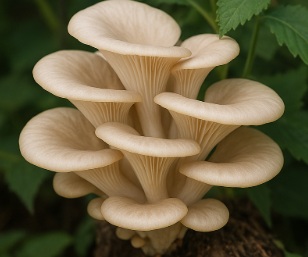
Pleurotus floridia is an edible basidiomycete mushroom belonging to the family Pleurotaceae and the genus Pleurotus, the same group that includes the common “oyster mushrooms.” It typically produces fan- or shelf-shaped fruiting bodies with a fleshy cap and decurrent gills running down a very short or almost absent stem. Like other Pleurotus species, it usually grows on dead or decaying wood, often in overlapping clusters, and is appreciated for its ornamental appearance as well as its culinary value.
As a food ingredient, Pleurotus floridia is considered a good edible mushroom: the flesh is firm yet tender, with a mild, slightly aromatic flavor suitable for many preparations. It can be eaten sautéed, grilled, in soups, sauces for pasta and risottos, or as a topping for pizzas and savory pies. Nutritionally, it is composed largely of water but provides a fair amount of plant proteins, dietary fiber, very little fat, and modest quantities of B-group vitamins and minerals, making it a light but interesting food in everyday diets.

Botanical Classification:
Kingdom: Fungi
Division: Basidiomycota
Class: Agaricomycetes
Order: Agaricales
Family: Pleurotaceae
Genus: Pleurotus
Species: Pleurotus floridia
Plant Characteristics:
Pleurotus floridia is characterized by:
Cap: The cap is typically brightly colored, ranging from hues of pink to orange, with a smooth to slightly wavy surface. It can have a diameter of up to 10 centimeters.
Gills: The gills are white to pale, free from the stem, and densely packed, extending down the stem.
Stem: The stem is often off-center or eccentric, white to pale in color, and relatively slender compared to the cap.
Growth Habit: Pleurotus floridia is a saprotrophic fungus, meaning it grows on decaying organic matter, such as wood or plant debris. It typically forms clusters of mushrooms on fallen logs or dead trees.
Soil and Light: It thrives in well-ventilated environments with moderate light, typically found in forested areas or in controlled cultivation settings.
Chemical Composition and Structure:
The chemical composition of Pleurotus floridia includes:
Polysaccharides: Contains bioactive polysaccharides, which may have immune-boosting and anti-inflammatory properties.
Proteins: Rich in proteins that provide nutritional benefits and contribute to its culinary value.
Vitamins and Minerals: Includes essential vitamins such as B vitamins and minerals such as potassium and phosphorus, contributing to its nutritional profile.
Phenolic Compounds: Present in smaller amounts, providing antioxidant properties.
Uses and Benefits:
Culinary: Highly valued for its pleasant taste and texture, making it a popular ingredient in various dishes, including soups, stir-fries, and salads.
Nutritional: Rich in protein, vitamins, and minerals, making it a nutritious addition to the diet.
Medicinal: Traditionally used in some cultures for its potential health benefits, including its antioxidant and anti-inflammatory properties. Scientific research is ongoing to better understand these potential benefits.
Environmental: Plays a role in decomposing organic matter, contributing to nutrient recycling in ecosystems.
Applications:
Culinary: Used extensively in cooking for its flavor and texture. It can be prepared in a variety of ways, including sautéing, grilling, and baking.
Nutritional: Incorporated into diets for its health benefits and as a source of protein and essential nutrients.
Medicinal: Investigated for its potential health benefits, including immune support and antioxidant effects, though more research is needed.
Environmental: Utilized in composting and bioremediation to help decompose organic waste.
Cosmetic - INCI Functions
Pleurotus/Rosa Canina Ferment Extract
Environmental and Safety Considerations:
Environmental Impact: Contributes to the breakdown of organic matter, aiding in nutrient cycling and soil health. Can be cultivated sustainably.
Safety: Generally safe to consume when properly prepared. As with all wild mushrooms, caution is needed to avoid misidentification with toxic species. Ensure correct identification before consumption.