

Bitter orange
Rating : 8
| Evaluation | N. Experts | Evaluation | N. Experts |
|---|---|---|---|
| 1 | 6 | ||
| 2 | 7 | ||
| 3 | 8 | ||
| 4 | 9 | ||
| 5 | 10 |
0 pts from Al222
| Sign up to vote this object, vote his reviews and to contribute to Tiiips.Evaluate | Where is this found? |
| "Descrizione" about Bitter orange by Al222 (23258 pt) | 2025-Nov-29 16:36 |
| Read the full Tiiip | (Send your comment) |
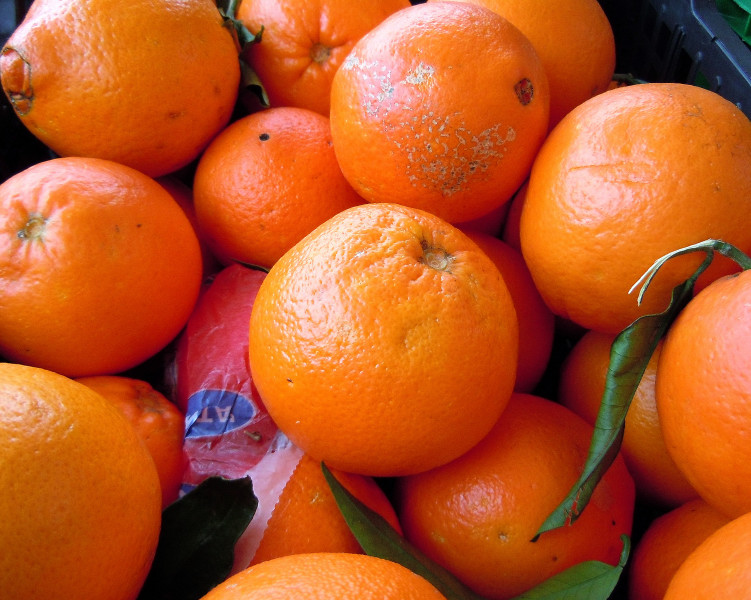
Bitter orange (Citrus Aurantium Amara)also known as Seville orange, bigarade or sour orange, is a citrus fruit belonging to the family Rutaceae, derived from natural hybridisation between pomelo (Citrus maxima) and mandarin (Citrus reticulata). The fruit is similar in size (or slightly smaller) than sweet orange, with a thick, rough, bright orange peel and a pulp that is very acidic and distinctly bitter, so it is rarely eaten fresh. Its value lies mainly in the peel and juice, which are rich in essential oils, flavonoids and other aromatic and bitter substances, making it highly prized for marmalades, candied peel, liqueurs, flavourings and perfumery. The same plant also yields high-value essential oils for cosmetic and aromatherapeutic use: the peel oil (bitter orange oil), the flower oil (neroli) and the leaf/twig oil (petitgrain), each with its own distinctive olfactory profile. It is a source of limonene, carotenoids, polyphenols, dietary fibre, soluble sugars, ascorbic acid, and pectin that exhibit antioxidant properties. Terpenes, flavonoids, carotenes and coumarins are known for their antimicrobial properties.

Botanical classification
Common name: bitter orange, sour orange, Seville orange
Botanical name: Citrus aurantium subsp. amara
Family: Rutaceae
Origin: Southeast Asia, later spread and widely cultivated in the Mediterranean basin
General features: medium-sized evergreen tree with rounded crown, leathery leaves, very fragrant flowers, and fruits similar to sweet oranges but usually smaller, rougher, and distinctly bitter. It is widely used in perfumery, herbal preparations, liqueurs, and marmalades.
Cultivation and growing conditions
Climate
Prefers warm temperate to subtropical climates.
More cold-tolerant than sweet orange, but still damaged by severe frosts (roughly below –6 / –8 °C).
Requires warm, sunny summers and mild winters.
Not suitable for areas with persistent frost or very dry, cold winds.
Exposure
Requires full sun to produce aromatic fruits rich in essential oils.
Can tolerate light partial shade, but with lower productivity and fruit quality.
Sheltered positions (e.g. against walls or in mild slopes) improve winter survival and reduce damage from cold winds.
Soil
Adapts to many soil types, provided they are well drained.
Prefers slightly acidic to neutral soils rich in organic matter.
Heavy, compact soils with waterlogging should be avoided, as they favour root diseases and decline.
Deep soil allows better root development and greater tolerance to drought and wind.
Irrigation
Needs regular irrigation during the growing season, especially in the hottest months.
Can withstand short dry periods, but prolonged water deficit reduces fruit size and aromatic intensity.
Excessive watering leads to root asphyxia, chlorosis, and premature fruit drop.
Drip irrigation is often preferred to maintain constant soil moisture without waterlogging.
Temperature
Optimal growth temperature range: about 18–30 °C.
Temperatures below 0 °C can damage young shoots, flowers, and fruits.
Long periods with very high temperatures combined with drought reduce fruit set and can cause sunburn on exposed fruits.
Fertilization
Benefits from yearly organic amendments (compost, well-matured manure) to maintain soil fertility and structure.
Mineral fertilization should be well balanced:
nitrogen to support vegetative growth (without excess, to avoid overly vigorous, weak shoots),
phosphorus for root development and flowering,
potassium for fruit quality, colour, and resistance to abiotic stress.
Possible deficiencies of micronutrients (especially iron and manganese) should be corrected according to soil characteristics and leaf analysis.
Crop care
Light annual pruning to maintain an open, well-aerated canopy and stimulate regular fruiting.
Weed control around the trunk, particularly in young orchards, to reduce competition for water and nutrients.
Monitoring of typical citrus pests (aphids, scale insects, leaf miners, mites) and fungal diseases, adopting integrated management strategies where possible.
Mulching is useful to conserve soil moisture, limit weed growth, and stabilise soil temperature.
Harvest
Fruits generally ripen between winter and early spring (often from December to February, depending on area and climate).
Harvest when the peel turns deep orange and the characteristic bitter aroma is fully developed.
Bitter oranges are mainly used for candied peel, essential oils (from peel, leaves, and flowers), marmalades, and liqueurs (e.g. triple sec, curaçao, Seville marmalade).
Careful handling during harvest and transport preserves the integrity of the peel, which is often the main product.
Propagation
Usually propagated by grafting onto suitable rootstocks (bitter orange itself, or other citrus rootstocks chosen for specific soil and disease conditions).
Seed propagation is possible but does not guarantee varietal uniformity; it is mainly used for producing rootstocks.
Planting is carried out in spring or early autumn, choosing well-drained, frost-sheltered sites and appropriate spacing according to the planned orchard system.
Indicative nutritional values per 100 g (fresh bitter orange pulp)
Indicative average values, broadly comparable to other acidic oranges:
Energy: ~40–50 kcal
Water: ~85–88 g
Protein: ~0.8–1.0 g
Total carbohydrates: ~10–12 g
Sugars (glucose, fructose, sucrose): ~8–9 g
Dietary fibre: ~2–3 g (mainly pectins)
Total fat: ~0.1–0.3 g
First occurrence of acronyms: SFA (saturated fatty acids, which should be moderated when overall intake is high), MUFA (monounsaturated fatty acids, generally favourable to the cardiometabolic profile), PUFA (polyunsaturated fatty acids, involved in inflammatory balance and cardiovascular health). Subsequent mentions will use these acronyms without bold.
SFA: traces
MUFA: traces
PUFA: traces
Cholesterol: 0 mg
Minerals (typical order of magnitude)
Potassium: ~150–200 mg
Calcium: ~40–60 mg
Magnesium: ~10–15 mg
Vitamins
Vitamin C: ~40–60 mg
Small amounts of folate and B-group vitamins
Key constituents
In the pulp and juice
Water and simple carbohydrates (naturally occurring sugars).
Soluble fibre, especially pectins, with gelling and prebiotic functions.
Organic acids (mainly citric acid, with smaller amounts of malic acid) responsible for the pronounced acidity.
Vitamin C and other antioxidant substances.
Citrus flavonoids (e.g. hesperidin, naringin, neo-hesperidin), which contribute to bitterness and have antioxidant and vasoprotective activities.
In the peel (flavedo and albedo)
Essential oil rich in terpenes (predominantly d-limonene), terpenic alcohols (e.g. linalool) and esters (e.g. linalyl acetate).
Carotenoid pigments responsible for the orange colour.
High levels of pectins and fibre in the inner peel.
Alkaloids and protoalkaloids
p-synephrine, the main biogenic amine of bitter orange, concentrated especially in the peel and immature fruits; structurally related to phenylethylamine-type sympathomimetics and the key marker of extracts used in weight-management food supplements.
Production process
Fresh fruit supply chain
Cultivation in Mediterranean and subtropical areas (e.g. southern Europe, North Africa, parts of the Middle East and the Americas).
Manual or mechanical harvesting of ripe fruits.
Sorting, washing, grading and packing for fresh consumption or industrial processing.
Marmalade and candied peel
Washing and cutting the fruits; peel is often blanched to modulate bitterness.
Cooking with sugar (marmalade) or candying in concentrated sugar syrups (candied peel).
Packing in jars or using candied peel as an ingredient in bakery and confectionery.
Juice and flavourings
Mechanical pressing of whole fruits or just the pulp.
Clarification, filtration and possible concentration to produce juices, beverage bases and natural flavourings.
Essential oils
Peel oil (Citrus Aurantium Amara (Peel) Oil): obtained by cold expression of the outer peel.
Neroli (Citrus Aurantium Amara (Flower) Oil): obtained by steam distillation of the fresh flowers.
Petitgrain (Citrus Aurantium Amara (Leaf/Twig) Oil): obtained by steam distillation of leaves and young twigs.
Physical properties
Fruit shape: spherical or slightly flattened, similar in size to sweet oranges.
Peel: thick, rough, with abundant surface oil glands.
Pulp: divided into segments, very acidic and bitter.
Juice: density comparable to other citrus juices; moderate soluble solids (°Brix) and high titratable acidity.
Peel essential oil: clear liquid, colourless to pale yellow, with a fresh citrus odour and distinctly bitter-green nuance.
Sensory and technological properties
Flavour: strongly bitter and acidic; the peel is more aromatic and bitter than the pulp.
Aroma: complex citrus profile, fresh, with green, floral and slightly spicy notes (particularly in neroli and petitgrain).
Texture: juicy pulp but less pleasant for direct eating than sweet orange; inner peel (albedo) is fibrous and spongy.
Technological functionality
High pectin content in the peel makes bitter orange an excellent raw material for jam and jelly gelling.
Intense aromatic profile used to flavour liqueurs, soft drinks, teas, baked goods and confectionery.
Essential oils contribute mild antimicrobial and antioxidant effects in some food formulations.
Food uses
Marmalades and preserves
Classic bitter orange marmalade, especially in British and Mediterranean traditions.
Candied peel and zest
Candied peel for baked goods (panettone, holiday cakes, biscuits) and desserts.
Fresh or dried grated zest for cakes, creams and sauces.
Liqueurs and spirits
Used in the production and flavouring of liqueurs and bitters (e.g. curaçao-type liqueurs, other orange liqueurs, aperitifs and digestifs).
Flavouring and gastronomy
Flavouring of teas, herbal infusions, vermouths, aperitifs and non-alcoholic beverages.
Use of juice and peel in savoury-sweet sauces, marinades and gourmet preparations.
Nutrition and health
Vitamin C and antioxidants
Bitter orange provides vitamin C, which supports immune function, collagen synthesis and protection from oxidative stress.
Flavonoids and other phenolic compounds offer antioxidant and potential vasoprotective, anti-inflammatory and capillary-support effects.
Fibre and digestive functions
Pectins and other fibres contribute to intestinal regularity, modulation of the absorption of sugars and lipids and the sensation of fullness.
p-synephrine and sympathomimetic activity
p-Synephrine, particularly concentrated in peel and dry extracts, is used in some weight-management and “thermogenic” supplements; it has moderate sympathomimetic activity (increased adrenergic tone).
In traditional foods (marmalade, beverages, flavourings), intakes are much lower than in some supplements and are generally regarded as safe for healthy adults.
Potential risks (supplements)
Supplements providing high doses of bitter orange extract, especially when combined with caffeine or other stimulants, have raised concerns about possible effects on blood pressure and heart rate, particularly in susceptible individuals or those with cardiovascular disease.
Nota porzione
Typical food uses:
Marmalade: about 15–20 g per serving at breakfast (larger servings up to ~100 g are possible but less common).
Herbal teas/infusions: 1–2 g of dried peel per cup.
For supplements: daily doses of dry extract standardised in p-synephrine must follow manufacturer guidance and any recommendations or limits set by health authorities.
Allergens and intolerances
Citrus allergy
Some sensitive individuals may react to citrus fruits with oral symptoms (itching, burning), skin reactions or, more rarely, respiratory symptoms.
Histamine and additives
In susceptible people, citrus peel or post-harvest treatments (waxing, preservatives) can be poorly tolerated, especially in those with histamine intolerance or sensitivity to certain additives.
Phototoxicity (topical use)
Cold-pressed citrus peel oils can contain furocoumarins with phototoxic potential; in cosmetics and aromatherapy, safe maximum use levels are applied, especially in leave-on products on sun-exposed skin.
Storage and shelf-life
Fresh fruits
Store in a cool, dry place or in the refrigerator at 4–8 °C.
Typical shelf-life: about 2–4 weeks, depending on ripeness at harvest and storage conditions.
Marmalades and preserves
Unopened jars: shelf-life commonly 12–18 months or more when stored away from heat and light.
Once opened: keep refrigerated and consume within a few weeks.
Candied peel and dried peel
Store in airtight containers, protected from moisture and heat.
Dried peel can be kept for many months; candied peel typically has a shelf-life around 6–12 months.
Essential oils
Store in well-closed, dark glass bottles, away from light, heat and air; refrigeration can further extend stability and slow oxidation.
Safety and regulatory aspects
Food use
Bitter orange and its traditional derivatives (marmalades, juices, flavourings) are generally recognised as safe at normal culinary intakes.
p-synephrine in supplements
Several European health agencies have highlighted potential cardiovascular effects (blood pressure, heart rate) of high p-synephrine intakes from supplements, particularly in combination with caffeine.
Some authorities recommend limiting total daily p-synephrine intake from supplements and advise against use in individuals with hypertension or heart disease, during pregnancy or breastfeeding, and in combination with other stimulants.
Cosmetic use
Use of citrus essential oils is regulated by IFRA standards and cosmetic legislation, including limits for allergenic fragrance components and phototoxic substances, and maximum recommended use levels in leave-on products on sun-exposed skin.
Labelling
Food products
Typical names: “bitter orange”, “Seville orange”, “bitter orange marmalade”, “candied bitter orange peel”.
Marmalades and jams must declare fruit content and sugar content according to jam and jelly regulations.
Natural flavourings may carry designations such as “natural orange flavour” or “natural bitter orange flavour”, depending on composition.
Food supplements
Declarations such as “Citrus aurantium extract standardised in p-synephrine”, with indication of standardisation level and amount per daily dose.
Warnings concerning use in hypertension, heart disease, pregnancy, breastfeeding and concomitant caffeine or stimulant intake, where required by national or EU guidance.
Cosmetics (INCI)
Typical INCI names include Citrus Aurantium Amara (Peel) Oil, Citrus Aurantium Amara (Flower) Oil, Citrus Aurantium Amara (Leaf/Twig) Oil, Citrus Aurantium Amara Extract.
Troubleshooting
Marmalade is too bitter
Possible causes: excessive inclusion of white inner peel (albedo) or insufficient blanching time for peel.
Solutions: increase blanching steps for peel; reduce albedo proportion; blend with sweeter citrus fruits (e.g. sweet orange).
Marmalade set is too soft or runny
Possible causes: insufficient pectin, too short cooking time, or incorrect fruit-to-sugar ratio.
Solutions: extend cooking, increase the proportion of peel (pectin source) or add pectin; adjust recipe to recommended fruit/sugar ratios.
Candied peel is hard or overly crystalline
Possible causes: sugar concentration increased too quickly; excessive final drying.
Solutions: use a more gradual candying process with stepwise increases in syrup concentration; shorten or soften the final drying stage.
Essential oil oxidises or loses fragrance
Possible causes: prolonged exposure to light, heat or oxygen.
Solutions: minimise air exposure, store in full, tightly closed dark bottles, and keep in a cool place or refrigerator.
Sustainability and supply chain
Bitter orange cultivation is well suited to Mediterranean-type climates, with moderate water needs compared with more intensive crops when managed with efficient irrigation.
The fruit can be fully valorised in a circular economy approach: pulp and peel for food uses (marmalade, juice, pectin, candied peel, flavourings), seeds and peel residues for feed or compost, and distilled fractions for essential oils.
Sustainable agronomic practices (reduced pesticide use, integrated or organic management, optimised water use) help improve the environmental profile of the supply chain.
Strong links with specific regions (e.g. Seville oranges for British-style marmalade, local liqueurs and confectionery) support high-quality, origin-linked products and local economic development.
Main INCI functions (cosmetics)
For cosmetic ingredients derived from bitter orange (e.g. Citrus Aurantium Amara (Peel) Oil, Citrus Aurantium Amara (Flower) Oil, Citrus Aurantium Amara (Leaf/Twig) Oil, Citrus Aurantium Amara Extract):
Masking: helps cover undesirable odours of other raw materials.
Skin conditioning / light emollient: contributes to a softer, more comfortable skin feel in emulsions and oils.
Mild tonic/astringent: especially peel and leaf extracts, used in toners and products for combination or oily skin.
Solvent/co-solvent and aromatic carrier in perfumes, massage oils and bath products.
CAS 68916-04-1 72968-50-4 generic
Conclusion
Bitter orange (Citrus aurantium subsp. amara) is a citrus fruit with a strong sensory character and a long history of use in food, beverages, herbal preparations, perfumery and cosmetics. While not usually eaten as a fresh fruit because of its intense acidity and bitterness, it becomes an extremely valuable ingredient in marmalades, liqueurs, confectionery and natural flavourings thanks to its richness in pectins, flavonoids, organic acids and essential oils. From a nutritional perspective, it provides vitamin C, fibre and antioxidant phytochemicals, whereas the presence of p-synephrine requires attention and prudence when using concentrated extracts in supplements, especially in individuals with cardiovascular risk or in association with other stimulants. In cosmetics, peel, flower and leaf oils offer refined olfactory profiles and sensory functions appreciated in skin care and perfumery. Within a sustainable supply chain, bitter orange is a versatile raw material that can be fully utilised and remains closely linked to the identity and economy of its production regions.
Studies
The essential oil extracted from the peel of Citrus Aurantium Amara is rich in limonene, a compound known for its aromatic properties. This oil is a by-product of the fruit processing industry and is valued for its potential health benefits.
Phytochemical analysis also revealed: linalool, rutin, synephrine, vitamin C.
Citrus Aurantium Amara essential oil has shown antioxidant activity, which may help counteract free radical damage in the human body; however, its antimicrobial properties, particularly against bacteria and yeasts, are relatively low compared with other natural extracts.
Research suggests that Citrus Aurantium Amara may have therapeutic potential, particularly in treating or preventing infectious diseases. Its essential oil has been studied for its effects against antibiotic-resistant microorganisms.
Traditional Medicine
In traditional Chinese medicine and other cultural practices, Citrus Aurantium Amara is used for its health-promoting properties. It's believed to aid in digestion, relieve abdominal pain, and help with other ailments.
Medical
Some studies have explored the anti-obesity effects of Citrus Aurantium Amara. Compounds like neohesperidin and naringin, found in the plant, have shown potential in weight management and obesity treatment (1).
Citrus Aurantium Amara is used in extract, essential oil, and powder form for the treatment of various diseases. One of its components, synephrine a primary proto alkaloid similar to ephedrine but producing different effects, is commonly included in dietary supplements and medicines for weight management, appetite control, sports performance, energy, and cognition (2). Synephrine exhibits cardiovascular activity but lacks the undesirable effects attributable to ephedrine.
Extracts, oils, and powders of Citrus Aurantium Amara are used in pharmaceutical and nutraceutical preparations for their antioxidant and antimicrobial properties (3).
Food and Nutraceutical
Beyond its use in traditional medicine, Citrus Aurantium Amara is gaining attention in the food and nutraceutical industries. Its rich composition of bioactive compounds makes it a valuable ingredient for developing health supplements and natural preservatives.
It is used as a fresh fruit, natural food additive, natural flavor.

Citrus Aurantium Amara studies
References_____________________________________________________________________
(1) Shen CY, Wan L, Wang TX, Jiang JG. Citrus aurantium L. var. amara Engl. inhibited lipid accumulation in 3T3-L1 cells and Caenorhabditis elegans and prevented obesity in high-fat diet-fed mice. Pharmacol Res. 2019 Sep;147:104347. doi: 10.1016/j.phrs.2019.104347. Epub 2019 Jul 14. PMID: 31315066.
(2) Stohs SJ, Ray SD. Review of Published Bitter Orange Extract and p-Synephrine Adverse Event Clinical Study Case Reports. J Diet Suppl. 2020;17(3):355-363. doi: 10.1080/19390211.2019.1577936.
Abstract. p-Synephrine is the primary active ingredient in bitter orange (Citrus aurantium) extract and is present in other citrus species. This review summarizes all known case reports that have been published regarding adverse events associated with multi-ingredient dietary supplements containing bitter orange extract. A common characteristic of all the case studies was the assumption that if bitter orange extract is listed on the label of the product it is the most likely cause of any adverse effect, although in no case was the presence of p-synephrine determined or a direct link demonstrated. No case study reviewed the existing published literature, and all failed to note that numerous clinical studies have not demonstrated adverse effects at commonly used doses. Most studies did not indicate the composition of the product involved, and no study analyzed the product in question. In no case was a direct correlation between the event and p-synephrine made. Although p-synephrine and ephedrine have some structural similarity, the structural differences result in markedly different pharmacokinetic, physiological, and pharmacological effects, and thus the effects produced by ephedrine cannot be extrapolated to p-synephrine.
(3) Dosoky NS, Setzer WN. Biological Activities and Safety of Citrus spp. Essential Oils. Int J Mol Sci. 2018 Jul 5;19(7):1966. doi: 10.3390/ijms19071966.
Abstract. Citrus fruits have been a commercially important crop for thousands of years. In addition, Citrus essential oils are valuable in the perfume, food, and beverage industries, and have also enjoyed use as aromatherapy and medicinal agents. This review summarizes the important biological activities and safety considerations of the essential oils of sweet orange (Citrus sinensis), bitter orange (Citrus aurantium), neroli (Citrus aurantium), orange petitgrain (Citrus aurantium), mandarin (Citrus reticulata), lemon (Citrus limon), lime (Citrus aurantifolia), grapefruit (Citrus × paradisi), bergamot (Citrus bergamia), Yuzu (Citrus junos), and kumquat (Citrus japonica).
| Sign up to vote this object, vote his reviews and to contribute to Tiiips.EvaluateClose | (0 comments) |
Read other Tiiips about this object in __Italiano (1)
Content:   Family:   Last update:   2024-01-07 11:42:01 | Kcal/100g:   Threat factors:   |

