

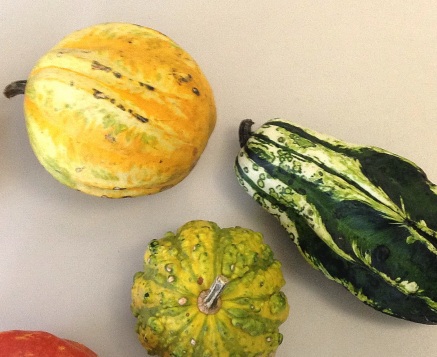
Zucca
Rating : 7
| Evaluation | N. Experts | Evaluation | N. Experts |
|---|---|---|---|
| 1 | 6 | ||
| 2 | 7 | ||
| 3 | 8 | ||
| 4 | 9 | ||
| 5 | 10 |
Pros:
Anti-inflammatory (1) Prostate protective (1) Antioxidant (1)10 pts from Qwerty
| Sign up to vote this object, vote his reviews and to contribute to Tiiips.Evaluate | Where is this found? |
| "Descrizione" about Zucca Review Consensus 10 by Qwerty (3788 pt) | 2025-Nov-30 10:17 |
| Read the full Tiiip | (Send your comment) |
Pumpkin (Cucurbita maxima)
Description
Pumpkin, referring mainly to varieties of Cucurbita maxima (and partly Cucurbita moschata), is the fruit of annual trailing herbaceous plants in the Cucurbitaceae family. It shows very variable shapes and sizes, from small ornamental pumpkins to fruits weighing several kilograms. The rind is thick and firm, with colours ranging from yellow to orange to green, often mottled, while the flesh is compact, yellow–orange in colour, with a sweet, mild taste. The edible portion is mainly the flesh, but the seeds (pumpkin seeds) are also widely used and are nutritionally dense. Thanks to its low energy density and its content of water, fibre, potassium, carotenoids (especially β-carotene) and phenolic compounds, pumpkin is widely used in soups, purées, risottos, filled pasta, baked goods and as a side dish; the seeds, toasted or pressed into oil, provide concentrated unsaturated fats and micronutrients.

Botanical classification
Common name: pumpkin
Main botanical names:
Cucurbita maxima (many winter pumpkins, e.g. Hubbard, Hokkaido, Mantovana types)
Cucurbita moschata (e.g. Butternut, Violina, Trombetta)
Cucurbita pepo (many Halloween pumpkins, ornamental types and most zucchinis)
Family: Cucurbitaceae
Origin: Central and South America; introduced into Europe after the discovery of the New World, now widely grown in Mediterranean and warm temperate regions
General features: Annual herbaceous plant, trailing or climbing, with hollow hairy stems, large palmate leaves and yellow–orange flowers. Fruits (pepo-type) vary widely in shape, size and colour, with fleshy pulp, oily seeds and a rind ranging from soft to very hard depending on the type and maturity.
Cultivation and growing conditions
Climate
Warm-season crop: requires temperate-warm or subtropical climates.
Very sensitive to frost: even light frosts can severely damage young plants.
Optimal growth between about 20 and 30 °C; growth slows markedly below 10 °C.
Needs a relatively long, warm growing season to fully ripen winter pumpkins.
Exposure
Requires full sun for most of the day to achieve good photosynthesis, fruit set and sugar accumulation.
Shaded sites lead to weaker vegetative growth, fewer flowers and less sweet fruits.
Prefers airy but not excessively windy positions, as stems and leaves can be damaged by strong winds.
Soil
Prefers deep, loose, well-drained soils with a good supply of organic matter.
Ideal textures are medium (loam, sandy loam) with pH roughly between 6.0 and 7.0.
Heavy, poorly drained soils favour collar and root rots and other fungal diseases.
High natural fertility, especially organic, supports the crop’s high nutrient demand.
Sowing and planting
Usually direct-sown in the open field once all danger of frost has passed and soil is warm.
Common practice is to sow 2–3 seeds per “hill” or station and then thin to the strongest plant.
Spacing depends on species and vigour:
vigorous trailing types: around 1.5–2 m within the row and 2–3 m between rows,
more compact or semi-bush types: slightly closer spacing.
Transplants grown in pots can also be used, provided they are still young and not root-bound.
Irrigation
Requires a good water supply, especially:
from flowering to fruit set,
during fruit enlargement.
Soil should be kept moist but not waterlogged; waterlogging encourages stem and root rots.
Localised irrigation (e.g. drip) is preferable to avoid wetting foliage and to limit fungal diseases.
As fruits approach full maturity, irrigation can be slightly reduced to improve keeping quality.
Temperature
Optimal seed germination: roughly 18–25 °C.
Best vegetative growth and fruit development: about 20–30 °C.
Temperatures near or below 0 °C can kill plants or severely damage foliage.
Excessive heat combined with drought can cause flower drop and poor fruit set if watering is inadequate.
Fertilization
Nutrient-demanding crop, particularly for nitrogen and potassium.
Prior to sowing, generous applications of organic matter (well-matured manure, compost) are recommended.
Mineral fertilization should be balanced:
nitrogen to support vegetative growth without excessive foliage at the expense of fruits,
phosphorus for root development and flowering,
potassium for fruit quality, sweetness and storage life.
On poor or sandy soils, split applications during the growing season are often beneficial.
Crop care
Hoeing or mulching to control weeds, especially early in the season.
Mulching (plastic or organic materials) also helps:
conserve soil moisture,
reduce direct contact between fruits and soil, lowering the risk of rots.
Fruits can be gently turned during ripening to improve colour uniformity and avoid rot spots.
Regular monitoring for typical cucurbit pests and diseases (aphids, beetles, caterpillars, powdery mildew, downy mildew, viruses) and use of integrated pest management strategies.
Harvest
Summer squash types (harvested immature, mainly C. pepo): picked when the rind is still tender and fruits are medium-sized.
Winter pumpkins (storage types, mainly C. maxima and C. moschata):
harvested at full physiological maturity, with hard rind, characteristic varietal colour and corky or lignified peduncle,
should be collected before the first autumn frosts.
Leaving a short portion of the stem attached improves storability.
Storage pumpkins are kept in dry, well-ventilated, frost-free rooms.
Propagation
Propagated almost exclusively by seed, saved from fully mature, healthy fruits.
To keep varietal traits, it is important to avoid unwanted cross-pollination between different cultivars grown close together.
Properly dried seeds are stored in a cool, dry, dark place until the next sowing season.
Indicative nutritional values per 100 g (fresh, raw pumpkin flesh)
(Average values for winter-type pumpkins; can vary by cultivar and ripeness.)
Energy: ~25–30 kcal
Water: ~90–92 g
Protein: ~1–1.2 g
Total carbohydrates: ~6–7 g
Sugars: ~2.5–3 g
Dietary fibre: ~1–2 g
Total fat: ~0.1–0.2 g
First occurrence of lipid acronyms: SFA (saturated fatty acids, which should be moderated when total intake is high), MUFA (monounsaturated fatty acids, generally favourable when they replace saturates), PUFA (polyunsaturated fatty acids, with roles in inflammatory regulation and cardiovascular health).
sfa: traces
mufa: traces
pufa: traces
Minerals (typical ranges)
Potassium: ~300–350 mg
Phosphorus: ~30–40 mg
Magnesium: ~10–15 mg
Calcium: ~20–25 mg
Vitamins
Provitamin A (carotenoids, mainly β-carotene)
Vitamin C: ~9 mg
Small amounts of vitamin E and B-group vitamins
(Pumpkin seeds have a very different profile: ~550–600 kcal/100 g, high in fat and protein, dominated by unsaturated fatty acids.)
Key constituents
In the flesh
High water content
Carbohydrates (starch and simple sugars such as glucose, fructose, sucrose)
Dietary fibre (pectins and insoluble fibre) in moderate amounts
Carotenoids (β-carotene, α-carotene, lutein and others) responsible for the orange colour and antioxidant activity
Vitamin C, small amounts of vitamin E and B-group vitamins
Minerals: potassium, phosphorus, magnesium, calcium, traces of iron and other trace elements
In the seeds
High fat content (mainly mufa and pufa, relatively low sfa)
Protein with a good amino acid profile
Minerals such as magnesium, zinc, iron and phosphorus
Phytosterols, tocopherols (vitamin E), phenolic compounds and other antioxidants
Production process
Cultivation
Annual crop grown in spring–summer after frost risk has passed.
Requires well-drained, organic-matter-rich soils and good sun exposure.
Needs space for long, trailing vines or bushy growth, depending on variety.
Crop management
Thinning to ensure sufficient spacing between plants.
Regular irrigation, especially during fruit enlargement.
Weed, disease and pest management following integrated or organic practices.
Pollination
Mainly entomophilous, carried out by bees and other pollinating insects.
Male and female flowers are borne on the same plant.
Harvesting
Carried out when the rind is fully hardened and the stem is corky or lignified, indicating physiological maturity.
Fruits are cut with a short stalk attached to improve storage.
Post-harvest handling
Surface cleaning, and in some cases a short curing period in a dry, ventilated environment to complete maturation and reduce rind moisture.
Storage in cool, dry rooms or in refrigerated conditions.
Processing
Cutting, peeling and dicing for fresh ready-to-cook products.
Freezing of cubes, slices or purées.
Production of purées, soups, gnocchi, filled pasta, bakery fillings and baby foods.
Roasting of seeds and pressing to obtain pumpkin seed oil.
Physical properties
Large fruit with spherical, elongated or flattened shapes, often with pronounced ribbing.
Thick, firm rind in a variety of colours (orange, green, yellow, mottled).
Internal flesh with yellow–orange colour, medium-to-high density, and either floury or slightly fibrous texture depending on the cultivar.
Internal cavity filled with fibrous tissue and numerous flat seeds with a pale coat.
Slightly acidic pH and high yield in purée due to water and starch content.
Sensory and technological properties
Flavour
Sweet and mild, with light nutty or earthy notes depending on the variety.
Some cultivars (e.g. certain “chestnut-type” pumpkins) have particularly sweet, aromatic profiles.
Aroma
Gentle, vegetal aroma with hints of cooked vegetables and nuts; not overpowering.
Texture
Raw: firm and difficult to eat as such; usually requires cooking.
Cooked: from soft to creamy; some varieties become very velvety, others retain more structure.
Technological functionality
Excellent for forming purées and creamy soups.
Starch and fibre provide body and viscosity to sauces and soups, reducing the need for added thickeners.
Carotenoids provide warm, appetising colour in culinary and industrial preparations.
Seeds, thanks to their fat and protein content, add crunch and nutritional value to bread, salads and snacks.
Food uses
Household and gastronomic uses
Pumpkin soups and creamy vegetable purées.
Risottos and grain dishes.
Filled pasta (ravioli, tortelli, cappellacci), pumpkin gnocchi.
Oven-baked, steamed, sautéed or braised side dishes.
Savoury pies, gratins and flans.
Sweet preparations: pumpkin pies, cakes, muffins, puddings and creams.
Seeds and pumpkin seed oil
Toasted seeds as snacks or as ingredients in muesli, breads, crackers and salads.
Pumpkin seed oil as a cold-use dressing (especially in some regional traditions) or in oil blends.
Industrial products
Frozen cubes and purées.
Ready-made soups, baby food, purées and homogenised products.
Bakery and snack products with pumpkin flavour or inclusion.
Nutrition and health
Energy supply
Pumpkin flesh has low energy density due to its high water content and moderate carbohydrate level, making it suitable for low-energy diets.
Carotenoids and vitamin A
Carotenoids, especially β-carotene, are converted to vitamin A according to metabolic needs, supporting eye health, immune function, skin and mucosal integrity.
Antioxidants
Carotenoids, vitamin C and phenolic compounds contribute to antioxidant defences as part of plant-rich diets.
Fibre and glycaemic response
Dietary fibre supports intestinal regularity, satiety and a smoother post-prandial glycaemic response when pumpkin is included in balanced meals.
Pumpkin seeds
Provide predominantly unsaturated fats (mufa, pufa), which may help lipid profile when they replace sources of sfa.
Supply protein, magnesium, zinc and other micronutrients important for muscle function, nervous system and energy metabolism.
Fats
Fat content in flesh is negligible; significant lipid intake derives from seeds and pumpkin seed oil.
Portion note
Cooked pumpkin flesh: indicative portion ~150 g (equivalent to a typical vegetable serving), to be adapted to dietary plans.
Pumpkin seeds: a reasonable portion is ~20–30 g (about 1–2 heaped tablespoons), to be accounted for in total energy and fat intake.
Allergens and intolerances
Pumpkins and other cucurbits (courgette, cucumber, melon, watermelon) can occasionally cause allergic reactions in susceptible individuals, though this is relatively rare.
Mild oral allergy syndrome (itching in the mouth, slight swelling) can occur in some people, often associated with pollen sensitisation.
Pumpkin seeds, like other oilseeds, can sometimes be involved in allergic reactions, although less frequently than common tree nuts.
People with known allergies to cucurbits or oilseeds should follow specialist medical advice.
Storage and shelf-life
Whole pumpkins
Store in a cool, dry, well-ventilated place away from frost and direct sunlight.
Shelf-life can range from several weeks to a few months, depending on variety, maturity and storage conditions.
Cut pumpkin
Once cut and deseeded, store in the refrigerator in a covered container or wrapped.
Typical shelf-life: about 3–5 days.
Cooked pumpkin or purée
Store in the refrigerator and consume within 2–3 days, or freeze in portions for later use.
Pumpkin seeds
Store in airtight containers away from light and heat to prevent rancidity.
Shelf-life: several months; pumpkin seed oil should be consumed within the time limits indicated by the producer.
Safety and regulatory aspects
Pumpkin flesh is considered safe in traditional food uses.
Primary production must respect legal limits for pesticide residues, heavy metals and microbiological contaminants.
Processed products (purées, soups, baby foods, frozen products) must comply with specific hygiene, additive and heat-treatment regulations.
For seeds and pumpkin seed oil, limits for contaminants typical of oilseeds (e.g. mycotoxins, oxidation products) also apply.
Nutrition claims (e.g. “source of vitamin A”, “source of fibre”, “high in magnesium” for seeds) are allowed only when legal compositional criteria are met.
Labelling
Typical denominations: “pumpkin”, “pumpkin flesh”, “frozen pumpkin”, “pumpkin purée”, “pumpkin soup”, “pumpkin seeds”, “pumpkin seed oil”.
Mandatory label information: ingredient list (for processed foods), allergens where applicable, net weight, batch code, best-before/use-by date, storage and use instructions.
Seeds and oils may carry nutrition claims such as “rich in magnesium” or “rich in vitamin E” if compositional levels satisfy regulatory requirements.
Troubleshooting
Watery, bland pumpkin
Causes: unsuitable variety, early harvest, excessive irrigation.
Solutions: choose high-quality culinary cultivars; use dry-heat cooking methods (roasting) to concentrate flavour; reduce added water in recipes.
Purée too liquid
Causes: high water content in the variety or cooking with too much water.
Solutions: drain thoroughly after cooking, dry briefly in the oven or in a pan, or add a small amount of more starchy vegetable (e.g. potato).
Fibrous or stringy flesh
Causes: very mature fruits or inherently fibrous varieties.
Solutions: blend longer, pass through a sieve, or select cultivars known for creamy texture.
Seeds turn rancid quickly
Causes: storage at high temperature or exposure to light and air.
Solutions: store in airtight containers in a cool, dark place; refrigerate for long-term storage.
Sustainability and supply chain
Pumpkin adapts well to diversified cropping systems, with moderate input requirements and good yield per hectare.
In integrated or organic systems it typically requires limited agrochemical use and contributes to agricultural biodiversity.
Off-grade or cosmetically imperfect pumpkins can be directed to processing (purées, soups, frozen products), helping reduce food waste.
Seeds and processing by-products (rind, trimmings, fibrous pulp) can be used for feed, compost or extraction of functional ingredients (oils, fibres, pigments), fitting into circular economy approaches.
Main INCI functions (cosmetics)
(For ingredients such as Cucurbita Pepo Seed Oil, Cucurbita Pepo Seed Extract, Cucurbita Pepo Fruit Extract, often used on labels even for Cucurbita maxima–derived materials.)
Emollient / skin conditioning (pumpkin seed oil): helps nourish and soften the skin, thanks to unsaturated fatty acids and vitamin E.
Antioxidant: tocopherols, carotenoids and phenolic compounds support protection against oxidative stress and help formulation stability.
Skin conditioning: fruit and seed extracts may support skin hydration and comfort.
Mild soothing: used in some products for dry or sensitive skin in combination with other actives.
Light aromatic note: some extracts impart a mild vegetal/nutty note to body- and hair-care products.
Conclusion
Pumpkin (Cucurbita maxima) is a highly versatile, nutritionally favourable and sustainable vegetable. Its flesh is low in calories yet provides carotenoids, vitamin C, fibre and potassium, making it suitable for a wide range of dietary contexts, including weight-management and preventive nutrition. Seeds and pumpkin seed oil extend its nutritional value by adding high-quality unsaturated fats, protein and key minerals. From creamy soups and risottos to baked goods and sweet desserts, pumpkin enhances dishes with colour, flavour and texture. In cosmetics, pumpkin-derived oils and extracts are valued as emollients and antioxidants, aligning with the demand for plant-based, sustainable ingredients. Within well-managed supply chains, pumpkin represents an ingredient that successfully combines health, sensory appeal and environmental responsibility.
Studies
The fruit flesh is rich in carotenoids, tocopherols, polysaccharides, carbohydrates and minerals which endow pumpkin with medical functions including antidiabetic, antihypertensive, antitumor, antioxidant, immunomodulation, antibacterial, antihypercholesterolemia, intestinal antiparasitia, anti-inflammation and antalgic activities (1).
The seed contains fatty acids (≤64% linoleic acid), specific delta-7-sterols, tocopherols and micronutrients (2).
Potential health benefits
The oral administration of high doses of pumpkin seeds and pumpkin seed oil reduced prostate weight in experimental animal models of prostate growth (3).
Pumpkin seed oil is considered a preventive agent for various pathologies, particularly prostate diseases. These properties are related to its high content of carotenoids and liposoluble vitamins. In this study the carotenoid (lutein and zeaxanthin), vitamin E (α- and γ-tocopherol) and fatty acid contents (4).
![]() | ![]() |
This study validates the hypoglycemic and antidiabetic effect of Cucurbita maxima seed extract and therefore this extract could be further explored for development as a new anti-diabetic agent (5).
Mini-glossary
SFA – Saturated fatty acids; fats that, when consumed in excess, are associated with higher LDL (“bad”) cholesterol and increased cardiovascular risk.
MUFA – Monounsaturated fatty acids; fats that can improve blood lipid profiles when they replace saturated fats in the diet.
PUFA – Polyunsaturated fatty acids; include omega-3 and omega-6 families, important for cell membranes, inflammation modulation and cardiovascular health.
INCI – International Nomenclature of Cosmetic Ingredients; the international system used to name cosmetic ingredients on product labels.
References_______________________________________________________________________
(1) Caili F, Huan S, Quanhong L A review on pharmacological activities and utilization technologies of pumpkin. Plant Foods Hum Nutr. 2006 Jun; 61(2):73-80.
Abstract. Dietary plants and herbal preparations have been traditionally used as medicine in developing countries and obtained a resurgence of use in the United States and Europe. Research carried out in last few decades has validated several such claims of use of traditional medicine plants. Popularity of pumpkin in various systems of traditional medicine for several ailments (antidiabetic, antihypertensive, antitumor, immunomodulation, antibacterial, antihypercholesterolemia, intestinal antiparasitia, antiinflammation, antalgic) focused the investigators' attention on this plant. Considerable evidence from several epidemiological studies concerning bioactivities leads have stimulated a number of animal model, cell culture studies and clinical trials designed to test this pharmacological actions. In addition, it was found that technologies such as germination and fermentation could reduce antinutritional materials and affect the pharmacological activities of pumpkin. This review will focus on the main medicinal properties and technologies of pumpkin, and point out areas for future research to further elucidate mechanisms whereby this compound may reduce disease risk.
(2) Strobl M, Patz B, Bracher F: Kürbissamen bei Störungen der Blasenfunktion. DAZ 2004;144:4010-4014.
(3) Vahlensieck W, Theurer C, Pfitzer E, Patz B, Banik N, Engelmann U. Effects of pumpkin seed in men with lower urinary tract symptoms due to benign prostatic hyperplasia in the one-year, randomized, placebo-controlled GRANU study. Urol Int. 2015;94(3):286-95. doi: 10.1159/000362903. Epub 2014 Sep 5.
Gossell-Williams M, Davis A, O'Connor N: Inhibition of testosterone-induced hyperplasia of the prostate of Sprague-Dawley rats by pumpkin seed oil. J Med Food 2006;9:284-286.
Abstract. The oil from the pumpkin (Cucurbita pepo) seed is claimed to be useful in the management of benign prostatic hyperplasia. This investigation seeks to examine the effect of pumpkin seed oil on testosterone-induced hyperplasia of the prostate of rats. Hyperplasia was induced by subcutaneous administration of testosterone (0.3 mg/100 g of body weight) for 20 days. Simultaneous oral administration of either pumpkin seed oil (2.0 and 4.0 mg/100 g of body weight) or corn oil (vehicle) was also given for 20 days. The weights of the rats were recorded weekly, and the influence of testosterone and pumpkin seed oil on the weight gain of the rats was examined. On day 21, rats were sacrificed, and the prostate was removed, cleaned, and weighed. The prostate size ratio (prostate weight/rat body weight) was then calculated. Neither testosterone nor pumpkin seed oil had any significant influence on the weight gain of the rats. Testosterone significantly increased prostate size ratio (P < .05), and this induced increase was inhibited in rats fed with pumpkin seed oil at 2.0 mg/100 g of body weight. The protective effect of pumpkin seed oil was significant at the higher pumpkin seed oil dose (P < .02). We conclude pumpkin seed oil can inhibit testosterone-induced hyperplasia of the prostate and therefore may be beneficial in the management of benign prostatic hyperplasia.
Kim SH, Jung KI, Koh JS, Min KO, Cho SY, Kim HW: Lower urinary tract symptoms in benign prostatic hyperplasia patients: orchestrated by chronic prostatic inflammation and prostatic calculi? Urol Int 2013;90:144-149. DOI: 10.1159/000342643
(4) Procida G, Stancher B, Cateni F, Zacchigna M. Chemical composition and functional characterisation of commercial pumpkin seed oil. J Sci Food Agric. 2013 Mar 30;93(5):1035-41. doi: 10.1002/jsfa.5843. Epub 2012 Aug 30.
(5) Kushawaha DK, Yadav M, Chatterji S, Srivastava AK, Watal G. Evidence based study of antidiabetic potential of C. maxima seeds - In vivo. J Tradit Complement Med. 2017 Jan 17;7(4):466-470. doi: 10.1016/j.jtcme.2016.12.001
EvaluateClose
Read other Tiiips about this object in __Italiano (1)
Content:   Last update:   2025-11-30 10:03:14 | Kcal/100g:   28 Family:   Threat factors:   |

