

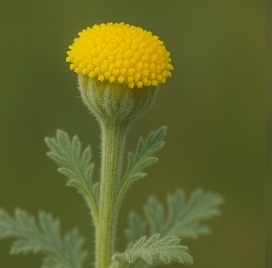
Artemisia glacialis
Rating : 7
| Evaluation | N. Experts | Evaluation | N. Experts |
|---|---|---|---|
| 1 | 6 | ||
| 2 | 7 | ||
| 3 | 8 | ||
| 4 | 9 | ||
| 5 | 10 |
10 pts from Ark90
| Sign up to vote this object, vote his reviews and to contribute to Tiiips.Evaluate | Where is this found? |
| "Descrizione" about Artemisia glacialis Review Consensus 10 by Ark90 (12472 pt) | 2025-Nov-30 19:01 |
| Read the full Tiiip | (Send your comment) |
Artemisia glacialis
Description
Artemisia glacialis is a perennial alpine species of the family Asteraceae, commonly known as glacier wormwood and often included among the traditional genepì plants of the western Alps. It grows naturally at high altitude, typically on rocky slopes, scree and morainic debris, usually between about 2.000 and 3.100 m of elevation. The plant has a compact, cushion-like growth habit, with small woody bases and numerous short stems bearing finely divided grey-green leaves covered by a fine hairiness that helps reduce water loss and protects against strong winds and intense solar radiation.
The flower heads are small, rounded or slightly elongated and yellow to yellow-gold, grouped at the top of the stems. Although visually discreet, they are quite aromatic, with a balsamic, resinous and bitter profile typical of the genus Artemisia. Traditionally, flowering tops of Artemisia glacialis and closely related alpine species are associated with mountain herbal liqueurs known as genepì, where they contribute to the characteristic aroma and bitterness. Due to its restricted alpine distribution and local overharvesting in the past, in some areas wild populations are protected and the harvest is regulated or limited, while cultivation is increasingly promoted for a more sustainable supply.
![]() | ![]() |
Common names: white genepi, glacier genepi
Botanical name: Artemisia glacialis
Botanical family: Asteraceae
Native range: western and central Alps, high-mountain habitats
Habit: small, tuft-forming perennial herb
Height: 5–15 cm
Lifespan: perennial, typical of cold alpine areas
A typical alpine species, it needs a cold or cool-temperate climate.
Tolerates frost, snow cover and long, cold winters very well.
Not suitable for hot climates or very low altitudes.
Prefers full sun.
In high mountains it thrives with strong sunlight and marked temperature fluctuations.
Ideal soils are:
gravelly, sandy or rocky,
very well drained,
poor in nutrients,
slightly acidic to neutral.
Does not tolerate waterlogging or heavy, compact soils.
Requires very little water.
Water only if grown at lower altitudes or in pots during long dry spells.
Naturally adapted to dry, stony mountain conditions.
Very hardy: resists down to about –20 °C or lower.
Sensitive to excessive heat above 25–28 °C, especially if combined with high humidity.
Does not need regular fertilization.
Avoid rich fertilizers, which can alter its natural character and compact growth.
If necessary, use only small amounts of low-strength fertilizer.
Requires minimal maintenance.
Keep the substrate very well drained, adding gravel or coarse sand if needed.
Avoid excess watering.
In pots, choose small containers with a very light, mineral-rich mix.
Monitor for basal rot if conditions are too humid for long periods.
Flowering tops are harvested in summer, usually from July to August depending on altitude.
Traditionally used fresh or dried.
Propagation can be done by:
seed (sometimes difficult due to low germination),
division of clumps in spring,
herbaceous or semi-woody cuttings in summer.
Seeds need cool temperatures and a light, well-drained substrate to germinate.
Indicative nutritional values per 100 g (dried aerial parts)
(Values refer to dried herb, as used for infusions or macerations; approximate order of magnitude.)
Energy: 250–320 kcal
Carbohydrates: 30–40 g
Total fibre: 20–30 g
Protein: 5–8 g
Total fat: 3–6 g
Major minerals: calcium, potassium, magnesium, iron
Vitamins: small amounts of B-group vitamins and residual vitamin C
In practical use, real intake per serving (infusions, macerates) is much lower than 100 g and mainly provides phytochemicals rather than macronutrients.
Key constituents
Sesquiterpene lactones, responsible for the characteristic bitter and aromatic profile of many Artemisia species
Flavonoids (e.g. quercetin and luteolin derivatives) with antioxidant potential
Tannins, contributing to astringent taste and traditional functional properties
Volatile terpenes and resinous compounds with balsamic and herbal aroma
Phenolic acids (such as caffeic, ferulic, chlorogenic and related compounds)
Naturally occurring minerals taken up from high-mountain soils
The exact composition can vary with altitude, soil type, harvest time and drying conditions.
Production process
Harvesting
Flowering tops are harvested in full bloom (typically in summer), selecting healthy, aromatic shoots and avoiding uprooting of whole plants to protect wild populations.
Cleaning
Removal of stones, soil particles and unwanted plant residues, with careful visual inspection and optional mechanical cleaning.
Drying
Gentle drying at low temperature, either in shaded, well-ventilated rooms or in controlled dryers, to preserve volatile aromatics and sensitive constituents.
Drying continues until a stable low moisture content suitable for storage is reached.
Stabilisation, cutting and grading
Dried herb is stabilised, then cut and sieved to standard particle sizes appropriate for infusions, filter bags or liqueur maceration.
Extraction and processing
For herbal liqueurs, flowering tops are macerated in hydroalcoholic solutions, often together with other alpine botanicals.
In the herbal sector, water or hydroalcoholic extracts can be prepared and concentrated to produce liquid, soft or dry extracts for use in supplements or specialised preparations.
Physical properties
Appearance (dried herb): light fragments of stems and flowering tops, typically grey-green with hints of yellow from the flower heads
Odour: intense, herbaceous-resinous and balsamic
Texture: low-density, friable plant material typical of dried aerial parts
Solubility: good release of aromatic components and many phenolic compounds in hot water or alcohol, forming a coloured and fragrant infusion or macerate
Sensory and technological properties
Aroma: distinctly balsamic, resinous and herbal, with characteristic alpine notes
Taste: clearly bitter, with a persistent aromatic aftertaste; the bitterness is mainly due to sesquiterpene lactones
Infusion colour: yellow-gold to amber, sometimes slightly hazy due to suspended plant particles and extracted resins
Technological behaviour:
Excellent suitability for alcoholic maceration, where both bitter principles and volatile compounds are efficiently extracted.
In hot water infusions, the bitter taste can become dominant at higher doses or longer steeping times, requiring careful formulation in herbal blends.
Food applications
Herbal infusions: use of dried flowering tops in teas or tisanes, often in combination with other mountain herbs to balance bitterness.
Herbal liqueurs: traditional ingredient (alone or together with related alpine Artemisia species) in genepì-type liqueurs and other mountain bitters, providing bitterness, colour and aroma.
Flavouring in local specialties: small quantities may be used to flavour regional products, such as artisan spirits or specific traditional preparations with strong local identity.
In all cases, use levels are low because of the plant’s intense bitterness and concentrated aroma.
Nutrition and health
From a nutritional perspective, Artemisia glacialis is not consumed as a bulk food but rather as a botanical ingredient in infusions or alcoholic macerates. Its interest lies in the phytochemical profile:
Sesquiterpene lactones and bitter principles are traditionally associated with digestive and stomachic uses in alpine herbal practice, helping to stimulate gastric secretions and appetite when consumed in small quantities.
Flavonoids, phenolic acids and related polyphenols contribute to the herb’s antioxidant potential at the biochemical level.
Tannins provide astringent and mild protective effects on mucous membranes in a traditional herbal context.
These aspects are part of the traditional use of the plant and do not represent medical claims. Infusions and moderate use of herbal preparations based on Artemisia glacialis are generally well tolerated in healthy adults. Individuals with existing gastric sensitivity, liver disease, pregnancy, breastfeeding or ongoing pharmacological therapies should seek professional advice before regular or high-dose consumption, especially in the form of alcoholic liqueurs.
Portion note
For a simple herbal infusion, a practical reference portion is:
About 1–2 g of dried flowering tops in 200 ml of hot water, infused for 5–10 minutes.
This range provides a clearly perceivable aroma and bitterness without being excessively intense for most consumers. In liqueur recipes, the ratio of herb to alcohol is typically defined by traditional formulations and technological requirements and cannot be directly compared to simple infusion doses.
Allergens and intolerances
Botanical family: Artemisia glacialis belongs to Asteraceae, a family that can occasionally cause allergic reactions in sensitive individuals.
Potential reactions: as with other Artemisia species, there is a theoretical risk of skin irritation or contact dermatitis in susceptible people, and rare hypersensitivity reactions following ingestion of preparations.
Cross-reactivity: individuals with known allergies to mugwort, wormwood or other Asteraceae should exercise caution.
In general, the herb is not part of the main legally defined food allergens, but prudent use is advised for people with a history of plant allergies or pollen sensitivities.
Storage and shelf-life
Packaging: store dried herb in airtight containers (bags, jars, or composite packaging) that protect from light, humidity and oxygen.
Conditions: keep in a cool, dry place, away from direct sunlight and heat sources.
Shelf-life: under good storage conditions, typical shelf-life is around 12–24 months. Over time, the content of volatile aromatics gradually decreases, and bitterness may become slightly less complex.
Signs of deterioration: loss of aroma, marked discolouration, musty odours or visible mould growth indicate that the product is no longer suitable for food or herbal use.
Safety and regulatory
From a food and herbal perspective, Artemisia glacialis is considered a traditional alpine botanical. Nevertheless, several safety and regulatory aspects must be respected:
Botanical identity and purity: correct identification of the species and absence of confusing admixtures with other Artemisia or toxic plants are essential.
Contaminants: dried herb and extracts must comply with limits for pesticide residues, heavy metals, mycotoxins and other contaminants according to applicable legislation.
Microbiological quality: herbal materials intended for infusions and extracts must meet defined microbial criteria (total count, absence of pathogens).
Environmental protection: in various alpine regions, Artemisia glacialis is considered of conservation concern; therefore, wild harvesting can be restricted, and official rules may limit quantities, harvesting methods and collection zones.
Products based on Artemisia glacialis must also comply with national and EU regulations regarding herbal products, food supplements, aromas and alcoholic beverages, depending on the final category.
Labelling
For food, herbal and liqueur products containing Artemisia glacialis, labelling should normally include:
Ingredient name: clear indication such as “Artemisia glacialis (flowering tops)” or equivalent wording, mentioning both the botanical name and the plant part.
Ingredient list: in compound products, the herb is listed alongside other ingredients in descending order by weight (for foods and drinks).
Instructions for use: for infusions, recommended dose, volume of water, infusion time and daily frequency; for liqueurs, suggested serving indications where appropriate.
Storage conditions: for example “store in a cool, dry place, away from light”.
Warnings: statements that the product does not replace a varied diet and healthy lifestyle, and specific warnings for pregnant or breastfeeding women, children or people with medical conditions, where relevant.
Geographical origin and traditional indications: in products linked to geographical indications or regional specialties, origin and traditional production details may be highlighted in accordance with relevant rules.
Troubleshooting
Infusion excessively bitter
Likely cause: too high herb dosage or excessive steeping time.
Possible solutions: reduce the amount of herb per cup, shorten infusion time, or blend with milder herbs (e.g. mountain flowers with less bitterness).
Loss of aroma during storage
Likely cause: prolonged exposure to air, light or high temperature.
Possible solutions: improve packaging (opaque, airtight), store at lower temperature, minimise storage time before use.
Presence of moisture and clumping
Likely cause: storage under humid conditions or insufficient drying.
Possible solutions: verify final moisture content after drying, use desiccant sachets where permitted, maintain low relative humidity in storage areas.
Sediment or haze in alcoholic macerates
Likely cause: precipitation of resinous compounds and tannins.
Possible solutions: adapt filtration steps, allow sufficient settling time, and optimise alcohol strength and extraction temperature.
Sustainability and supply chain
Because Artemisia glacialis is a slow-growing alpine plant with a relatively narrow distribution in the western Alps, sustainability of its use is a key concern:
Wild harvesting: must respect local conservation rules and recommendations, limiting harvested quantities and avoiding destructive practices such as uprooting. Only partial cutting of flowering tops should be performed, leaving enough biomass for regeneration.
Conservation status: in some regions, the species is considered near threatened or of medium conservation priority, which calls for particular care in utilisation and habitat management.
Cultivation: there is growing interest in cultivated genepì to relieve pressure on wild populations. Cultivation can be established in suitable mountain areas with well-drained, mineral soils and careful management of water and nutrients.
Traceability and quality: a transparent supply chain documents origin, harvest method, processing steps and batch identity, supporting both quality assurance and biodiversity protection.
Environmental management: processing facilities should limit energy consumption, manage water use efficiently and control BOD/COD of effluents arising from herb washing and extraction, in line with good environmental practice.
Main INCI functions (cosmetics)
In cosmetic products, ingredients derived from Artemisia glacialis typically appear under INCI names such as Artemisia Glacialis Extract. Their main cosmetic roles include:
Skin conditioning: helping to keep the skin in good condition, contributing to softness and comfort.
Soothing support: traditional background and phytochemical profile suggest mild soothing and comforting action on the skin, particularly in products aimed at tired or stressed skin.
Antioxidant contribution: the polyphenolic fraction can support the antioxidant defence of cosmetic formulas and potentially the skin surface.
Astringent and toning effect: gentle astringency may provide a toning sensation, especially in lotions and toners.
These uses must comply with cosmetic regulations, including safety assessment, purity criteria and appropriate documentation for botanical identity and origin.
Conclusion
Artemisia glacialis is a characteristic alpine wormwood, strongly linked to high-mountain landscapes and traditional herbal culture in the western Alps. Its compact growth, yellow-gold flowering tops and intense aromatic-bitter profile make it an emblematic plant for genepì-type liqueurs and selected herbal preparations.
From a product development perspective, Artemisia glacialis offers a distinctive combination of bitter, balsamic and resinous notes, supported by a rich phytochemical profile of sesquiterpene lactones, flavonoids, tannins and phenolic acids. When used in moderate amounts and within a well-controlled regulatory and quality framework, it can add unique value to herbal teas, mountain liqueurs, food supplements and cosmetic formulations. At the same time, the species’ ecological sensitivity and limited distribution require responsible management, with an emphasis on sustainable harvesting, cultivation and habitat conservation.
Studies
The extract of Artemisia glacialis left to macerate in alcohol is used as a digestive liquor and is called genepi. The α-linolenic, linolenic and oleic unsaturated fatty acids contained in the leaves and shrub have a protective and regulating effect on the intestinal flora along with antioxidant, anti-inflammatory and neuroprotective properties (1). It is unfortunate that this rare plant is used industrially as it is a rather rare species and indiscriminate use endangers its survival.
The shrub Artemisia glacialis contains unsaturated fatty acids such as oleic acid, α-linolenic acid and linolenic acid, which have antioxidant and anti-inflammatory activity.
For more information:
Mini-glossary
Sesquiterpene lactones: bitter terpenoid compounds typical of many Asteraceae; they contribute to taste and have been studied for various biological activities.
Flavonoids: plant polyphenols with antioxidant properties, involved in protection against oxidative stress and contributing to colour and taste.
Tannins: astringent polyphenols capable of binding proteins; they influence mouthfeel, stability and traditional functional properties.
Hydroalcoholic maceration: extraction technique based on mixtures of water and alcohol, widely used for herbal liqueurs and plant extracts.
GMP/HACCP (good manufacturing practice / hazard analysis and critical control points): key systems to ensure quality and safety in food, herbal and cosmetic production by controlling raw materials, processes and critical points.
BOD/COD (biochemical oxygen demand / chemical oxygen demand): indicators of the organic load of wastewater, important for assessing and managing the environmental impact of industrial processing.
References_____________________________________________________________________
(1) Carvalho, I. S. D., Teixeira, M. C., & Brodelius, M. (2011). Fatty acids profile of selected Artemisia spp. plants: Health promotion. LWT-Food Science and Technology, 44(1), 293-298.
Abstract. In the present study we report the fatty acids profile of thirteen species of Artemisia, a hardy herb or shrub, analyzed by gas chromatography connected to a mass detector (GC-MS) for their nutritional value and their potential exploitation as a new source of essential fatty acids. Total lipids content ranged from 3.31 ± 0.19 to 17.78 ± 0.27 mg/g (fresh weight). The three most abundant fatty acids were C16:0, C18:2ω6 and C18:3ω3. Unsaturated fatty acids predominated in all the Artemisia species are studied with the α-linolenic acid (ALA) and linoleic acid (LA), which are essential for normal human growth, health promotion, and disease prevention. The predominant ω3 PUFA acid in all Artemisia species analyzed, was linolenic acid, with Artemisia gmellini, Artemisia ludoviciana and Artemisia vulgaris, showing higher amounts of this fatty acid, all thirteen species, analyzed in this study, were also rich in oleic acid (ω9) and linoleic acid (ω6), accounted for 50–70% of total PUFA. The ratio of ω3 PUFA to ω6 PUFA was similar in all species, varying from 1.0 to 3.0. Identifying Artemisia species as newer sources of PUFAs and enriching or optimizing the ω3FAs in known plant sources offer us ways of increasing the availability of ω3FAs in the food supply.
Vouillamoz, J. F., Carlen, C., Taglialatela-Scafati, O., Pollastro, F., & Appendino, G. (2015). The génépi Artemisia species. Ethnopharmacology, cultivation, phytochemistry, and bioactivity. Fitoterapia, 106, 231-241.
Abstract. Wormwoods (Artemisia species) from the génépi group are, along with Edelweiss, iconic plants of the Alpine region and true symbols of inaccessibility because of their rarity and their habitat, largely limited to moraines of glaciers and rock crevices. Infusions and liqueurs prepared from génépis have always enjoyed a panacea status in folk medicine, especially as thermogenic agents and remedies for fatigue, dyspepsia, and airway infections. In the wake of the successful cultivation of white génépi (Artemisia umbelliformis Lam.) and the expansion of its supply chain, modern studies have evidenced the occurrence of unique constituents, whose chemistry, biological profile, and sensory properties are reviewed along with the ethnopharmacology, botany, cultivation and conservation strategies of their plant sources.
Mucciarelli, M., Caramiello, R., Maffei, M., & Chialva, F. (1995). Essential oils from some Artemisia species growing spontaneously in North‐West Italy. Flavour and Fragrance Journal, 10(1), 25-32.
Abstract. Essential oils were isolated from Artemisia abrotanum L., A. absinthium L., A. alba Turra, A. annua, L., A. campestris L. ssp. campestris, A. campestris L. ssp. borealis (Pallas) H. M. Hall et Clements, A. chamaemelifolia Vill., A. genipi Weber, A. glacialis L., A. petrosa Baumg. ssp. eriantha Ten., A. umbelliformis Lam., A. vallesiaca All., A. verlotiorum Lamotte, A. vulgaris L., growing spontaneously in the north-west Italian Alps. GC-MS analyses were carried out in order to determine the percentage composition of the oils. The data obtained were statistically processed in order to partition the species according to their oil composition. The results showed the presence of two main groups of plants. The first group composed of A. genipi, A. umbelliformis and A. petrosa was characterized by the presence of α-thujone, while camphor and 1,8-cineole characterized the oil of the remaining plants.
Caramiello, R., Fossa, V., Siniscalco, C., & Potenza, A. (1990). Flora palinologica italiana—Schede di Artemisia glacialis L., Artemisia genipi Weber, Artemisia umbelliformis Lam. su campioni freschi ed acetolizzati (schede n. S 175, S 176, S 177). Aerobiologia, 6(2), 221-238.
In accordo al programma della «Flora Palinologica Italiana» sono state allestite le schede morfopalinologiche, su pollini freschi ed acetolizzati, diArtemisia glacialis L.,Artemisia genipi Weber,Artemisia umbelliformis Lam.; per ciascuna specie sono stati studiati materiali provenienti da due diverse località. Delle specie studiate sono riportati i dati di distribuzione e la posizione fitosociologica. Sui diversi parametri considerati &eg
| Sign up to vote this object, vote his reviews and to contribute to Tiiips.EvaluateClose | (0 comments) |
| "Artemisia glacialis studies" about Artemisia glacialis Review Consensus 10 by Ark90 (12472 pt) | 2022-Nov-09 11:29 |
| Read the full Tiiip | (Send your comment) |
Compendium of the most significant studies with reference to properties, intake, effects.
Pieroni A, Giusti ME. Alpine ethnobotany in Italy: traditional knowledge of gastronomic and medicinal plants among the Occitans of the upper Varaita valley, Piedmont. J Ethnobiol Ethnomed. 2009 Nov 6;5:32. doi: 10.1186/1746-4269-5-32.
Abstract. A gastronomic and medical ethnobotanical study was conducted among the Occitan communities living in Blins/Bellino and Chianale, in the upper Val Varaita, in the Piedmontese Alps, North-Western Italy, and the traditional uses of 88 botanical taxa were recorded. Comparisons with and analysis of other ethnobotanical studies previously carried out in other Piemontese and surrounding areas, show that approximately one fourth of the botanical taxa quoted in this survey are also known in other surrounding Occitan valleys. It is also evident that traditional knowledge in the Varaita valley has been heavily eroded. This study also examined the local legal framework for the gathering of botanical taxa, and the potential utilization of the most quoted medicinal and food wild herbs in the local market, and suggests that the continuing widespread local collection from the wild of the aerial parts of Alpine wormwood for preparing liquors (Artemisia genipi, A. glacialis, and A. umbelliformis) should be seriously reconsidered in terms of sustainability, given the limited availability of these species, even though their collection is culturally salient in the entire study area.
Binet MN, van Tuinen D, Deprêtre N, Koszela N, Chambon C, Gianinazzi S. Arbuscular mycorrhizal fungi associated with Artemisia umbelliformis Lam, an endangered aromatic species in Southern French Alps, influence plant P and essential oil contents. Mycorrhiza. 2011 Aug;21(6):523-535. doi: 10.1007/s00572-010-0354-y.
Abstract. Root colonization by arbuscular mycorrhizal (AM) fungi of Artemisia umbelliformis, investigated in natural and cultivated sites in the Southern Alps of France, showed typical structures (arbuscules, vesicles, hyphae) as well as spores and mycelia in its rhizosphere. Several native AM fungi belonging to different Glomeromycota genera were identified as colonizers of A. umbelliformis roots, including Glomus tenue, Glomus intraradices, G. claroideum/etunicatum and a new Acaulospora species. The use of the highly mycorrhizal species Trifolium pratense as a companion plant impacted positively on mycorrhizal colonization of A. umbelliformis under greenhouse conditions. The symbiotic performance of an alpine microbial community including native AM fungi used as inoculum on A. umbelliformis was evaluated in greenhouse conditions by comparison with mycorrhizal responses of two other alpine Artemisia species, Artemisia glacialis and Artemisia genipi Weber. Contrary to A. genipi Weber, both A. umbelliformis and A. glacialis showed a significant increase of P concentration in shoots. Volatile components were analyzed by GC-MS in shoots of A. umbelliformis 6 months after inoculation. The alpine microbial inoculum increased significantly the percentage of E-β-ocimene and reduced those of E-2-decenal and (E,E)-2-4-decadienal indicating an influence of alpine microbial inoculum on essential oil production. This work provides practical indications for the use of native AM fungi for A. umbelliformis field culture.
Caramiello, R., Fossa, V., Siniscalco, C., & Potenza, A. (1990). Flora palinologica italiana—Schede diArtemisia glacialis L., Artemisia genipi Weber, Artemisia umbelliformis Lam. su campioni freschi ed acetolizzati (schede n. S 175, S 176, S 177). Aerobiologia, 6(2), 221-238.
Abstract. According to the program «Palynological Italian Flora», palynological cards ofArtemisia glacialis L.,Artemisia genipi Weber,Artemisia umbelliformis Lam. with observation on LM and SEM are presented for fresh and acetolyzed pollens. Samples from two stations for each species are studied and statistical analyses were carried out for morphological parameters. Phytosociological significance and distribution of the species are related.
Bicchi, C., D'Amato, A., Nano, G. M., & Frattini, C. (1984). Capillary GLC controls of some alpineArtemisiae and of the related liqueurs. Chromatographia, 18(10), 560-566.
Abstract. Artemisia genipi Weber,Artemisia umbelliformis Lam. andArtemisia glacialis L. are plants of the Compositae family, traditionally employed in manufacturing a liqueur called “genepi”. Indiscriminate picking of these plants has increased their rarity. The aim of the present study was to evaluate whether it was possible to cultivate these three rare mountain plants, and to assess the quality of plants available commercially and also of manufactured liqueurs. The results of the gas chromatographic analyses of volatile components from both plants and liqueurs are reported. In the present investigation three different techniques were used: direct head-space analysis by capillary GC of plants and liqueurs, and capillary GC analysis of the volatile extracts of plants and liqueurs after two different microdistillation processes.
Carvalho, I. S. D., Teixeira, M. C., & Brodelius, M. (2011). Fatty acids profile of selected Artemisia spp. plants: Health promotion. LWT-Food Science and Technology, 44(1), 293-298.
Abstract. In the present study we report the fatty acids profile of thirteen species of Artemisia, a hardy herb or shrub, analyzed by gas chromatography connected to a mass detector (GC-MS) for their nutritional value and their potential exploitation as a new source of essential fatty acids. Total lipids content ranged from 3.31 ± 0.19 to 17.78 ± 0.27 mg/g (fresh weight). The three most abundant fatty acids were C16:0, C18:2ω6 and C18:3ω3. Unsaturated fatty acids predominated in all the Artemisia species are studied with the α-linolenic acid (ALA) and linoleic acid (LA), which are essential for normal human growth, health promotion, and disease prevention. The predominant ω3 PUFA acid in all Artemisia species analyzed, was linolenic acid, with Artemisia gmellini, Artemisia ludoviciana and Artemisia vulgaris, showing higher amounts of this fatty acid, all thirteen species, analyzed in this study, were also rich in oleic acid (ω9) and linoleic acid (ω6), accounted for 50–70% of total PUFA. The ratio of ω3 PUFA to ω6 PUFA was similar in all species, varying from 1.0 to 3.0. Identifying Artemisia species as newer sources of PUFAs and enriching or optimizing the ω3FAs in known plant sources offer us ways of increasing the availability of ω3FAs in the food supply.
D'Andrea, S., Caramiello, R., Ghignone, S., & Siniscalco, C. (2003). Systematic studies on some species of the genus Artemisia: biomolecular analysis. Plant biosystems-an International Journal dealing with all aspects of Plant Biology, 137(2), 121-130.
Abstract. The internal transcribed spacers (ITS) of the ribosomal DNA gene of 11 taxa of the genus Artemisia were sequenced and compared with other 14 species taken from GenBank. The aims of this study are to clarify phylogenetic relationships for 25 taxa within the genus Artemisia, and to highlight the phylogenetic position of some species of geobotanical interest from the Alps or from other European areas. The results support the monophyly of the genus Artemisia, and the presence of the five main clades, corresponding to the morphologically based sections, Absinthium, Artemisia, Seriphidium, Dracunculus and Tridentatae. Only A. annua and A. genipi are not classified in the section in which they were traditionally included: A. annua is assigned to Seriphidium and not Artemisia, and A. genipi to Absinthium and not Artemisia. The basal structure of the tree differed in the 45 equally parsimonious MP trees, and thus appeared as a polytomy in the consensus tree. This does not allow us to completely solve the relationships among the clades. The molecular data are complementary with the morphological and biogeographical information and all are essential to draw valid conclusions on the relative closeness of the various taxa.
Ferrarini, E. (1970). Considerazioni sull'origine della flora e sull'oscillazione dei piani di vegetazione delle Alpi Apuane. Biogeographia–The Journal of Integrative Biogeography, 1(1).
| Sign up to vote this object, vote his reviews and to contribute to Tiiips.EvaluateClose | (0 comments) |
Read other Tiiips about this object in __Italiano (2)
Content:   Last update:   2022-11-09 11:44:26 | Kcal/100g:   Family:   Threat factors:   |

