

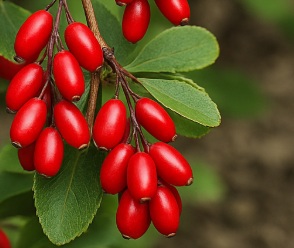
Daruharidra
Rating : 7
| Evaluation | N. Experts | Evaluation | N. Experts |
|---|---|---|---|
| 1 | 6 | ||
| 2 | 7 | ||
| 3 | 8 | ||
| 4 | 9 | ||
| 5 | 10 |
Pros:
Antioxidant (1) Antidiabetic (1) Anti-inflammatory (1)10 pts from Nat45
| Sign up to vote this object, vote his reviews and to contribute to Tiiips.Evaluate | Where is this found? |
| "Berberis aristata studies" about Daruharidra Review Consensus 7 by Nat45 (5785 pt) | 2019-Mar-25 18:07 |
| Read the full Tiiip | (Send your comment) |
Berberis aristata root and bark extracts have shown antioxidant, antidiabetic and anti-inflammatory activity (1).
Pharmacological studies have shown anti-cancer, antipyretic and analgesic activity (2).
Other studies concern the treatment of gynecological disorders, pharyngitis, HIV-AIDS (3).
References______________________________
(1) Singh J, Kakkar P. Anti hyperglycemic and antioxidant effect of Berberis aristata root extract and its role in regulating carbohydrate metabolism in diabetic rats. J Ethnopharmacol. 2009;123:22–26.
(2) Dehar N, Walia R, Ratol S. Potentiation of thiopentone sodium induced hypnosis by Berberis aristata in rodents. Asian J Pharm Clin Res. 2013;5:131–133
(3) Tamilselvi S, Balasubramani SP, Venkatasubramanian P, et al. A review on the pharmacognosy and pharmacology of the herbals traded as Daruharidra. Int J Pharm Bio Sci. 2014;5:556–570.
Kumari K, Setty OH. The protective effect of Berberis aristata against mitochondrial dysfunction induced due to co-administration of mitomycin C and cisplatin. J Cancer Sci Ther. 2002;4:199–206.
| Sign up to vote this object, vote his reviews and to contribute to Tiiips.EvaluateClose | (0 comments) |
| "Descrizione" about Daruharidra Review Consensus 10 by Nat45 (5785 pt) | 2025-Dec-04 15:49 |
| Read the full Tiiip | (Send your comment) |
Indian barberry, Daruharidra (Berberis aristata DC.)
The term Indian barberry (also known as Daruharidra) refers to Berberis aristata DC., an evergreen spiny shrub native to Himalayan regions and other parts of the Indian subcontinent, traditionally found on mountain slopes, forest margins and well-drained rocky soils at medium–high altitudes. The plant develops a branched, thorny structure with rigid stems, small elliptic leaves, and clusters of yellow flowers that later give rise to elongated red–purple berries.
From a botanical and morphological perspective, the most utilised parts of the plant are the roots and bark, which are harvested, cleaned, and dried for further processing. These tissues are characterised by an intense yellow colour due to their alkaloid components. Leaves and berries are also used in certain preparations, although to a lesser extent. Cultivation practices, local ecotypes, harvest timing and post-harvest handling influence the final technical properties of the material.
The composition of Indian barberry is strongly characterised by specific isoquinoline alkaloids, primarily berberine, together with palmatine, jatrorrhizine and other related molecules. The plant material also includes small amounts of tannins, phenolic compounds, organic acids, fibre, and mineral traces. The content of berberine and associated alkaloids represents the quantitative marker most often used to assess quality. Variations in altitude, soil composition, season and extraction method may significantly affect the concentrations of these compounds.
From a production and technological standpoint, Indian barberry is used in the herbal sector for the preparation of extracts (aqueous, hydro-alcoholic or dry), tinctures and plant powders, destined to formulas of traditional origin or to modern phytotechnical formulations. The selection of raw material, control of drying parameters, storage conditions and analytical verification of alkaloid levels are essential steps to maintain compositional consistency and quality. In all applications, correct identification of Berberis aristata, traceability of origin, control of environmental contaminants and standardisation of processing procedures are considered key requirements in order to ensure a stable and reproducible product profile.

Botanical name: Berberis aristata DC.
Common name: Indian barberry, tree turmeric, daruharidra
Family: Berberidaceae
Order: Ranunculales
Modern clades (phylogenetic):
Angiosperms
Eudicots
Core eudicots
Domain: Eukaryota
Kingdom: Plantae
Berberis aristata is an evergreen, spiny shrub native mainly to the Himalayan region and other montane areas of South Asia. It prefers cool temperate to sub-temperate climates, with moderately warm summers and cold winters. It is a hardy species that tolerates frost and sub-zero temperatures, provided the soil is not constantly waterlogged. Prolonged, very hot and dry conditions reduce vegetative growth and may limit fruit production.
The shrub adapts well to both full sun and bright partial shade:
In full sun, plants are more compact, with better wood maturation and generally richer flowering and fruiting.
In partial shade, growth remains satisfactory and can even be favoured in areas with hot summers, since slight shade reduces water stress.
For hedges or productive stands, well-ventilated sites are preferable, avoiding extremely exposed, windy positions.
Berberis aristata is not demanding and can grow on a wide range of soils, but for optimal performance it prefers:
Well-drained soils without prolonged waterlogging;
Loam to loam-sandy or loam-clay textures with adequate porosity;
Moderate organic matter content;
Slightly acidic to neutral pH, with tolerance for slightly alkaline conditions.
It can establish on relatively poor, stony mountain soils, but better base fertility supports a denser canopy and stronger root and wood development.
In regions with regular rainfall, adult shrubs may require little or no irrigation. In cultivation, it is advisable to:
Provide supplementary watering for young plants during the first one to two years after planting, until good establishment is achieved.
Maintain moderately moist soil during periods of active vegetative growth, flowering, and fruit development, avoiding both prolonged drought and repeated waterlogging.
Drip or micro-irrigation systems allow precise water management and help to limit leaf wetness and fungal disease pressure.
During the growing season, a temperature range of roughly 10–25 °C is favourable. The shrub:
Withstands cold winters, including frost and snow typical of montane temperate zones.
Shows stress under persistent high temperatures combined with low soil moisture.
Benefits in summer from at least moderate atmospheric and soil humidity.
Overall hardiness allows cultivation in many temperate areas, provided excessive hot, arid conditions are avoided.
Nutrient requirements are moderate, but appropriate fertility management improves shrub structure and production of root and woody biomass:
Periodic applications of organic matter (compost, well-rotted manure) to enhance soil structure, water-holding capacity, and gradual nutrient release.
Nitrogen (N) in moderate amounts to support shoot growth, avoiding excess that produces overly tender vegetation and increases sensitivity to stress.
Phosphorus (P) to promote root development and flowering.
Potassium (K) to strengthen tissues, improve stress tolerance, and support fruit quality.
Fertilization should be adjusted according to soil analysis, plant age, and purpose (ornamental use, hedging, medicinal production).
Pruning:
Berberis aristata tolerates relatively severe pruning and has good basal regrowth capacity.
Early training cuts shape the shrub or hedge, while maintenance pruning removes dead, weak, or poorly placed branches.
In medicinal or hedge plantings, pruning is managed to balance biomass production and accessibility for harvest.
Weed management:
Important in the first years, until the canopy closes over the soil surface.
Organic mulches (straw, wood chips, composted bark) help suppress weeds, conserve moisture, and improve soil properties over time.
Plant health:
Generally hardy, but in humid, poorly ventilated conditions it can be affected by aphids and fungal diseases (e.g., powdery mildew, leaf spots).
Correct planting distance, regular pruning, and non-excessive irrigation are key preventive measures.
Depending on use, different plant parts may be collected:
Roots and rhizomes: Usually taken from mature plants during dormancy (late autumn to early winter), when levels of berberine and related alkaloids are relatively high. Harvest must be planned to avoid excessive weakening of stands.
Bark and wood: Used locally as sources of dyes and tannins; removal must be selective, limiting the extent of girdling or deep bark stripping.
Fruits (berries): Harvested at full ripeness, when they are bright red and juicy; in some regions they are used in local food preparations or traditional products.
After harvest, material is cleaned, sorted, and—when appropriate—dried under suitable conditions to preserve active constituents.
Berberis aristata is propagated both by seed and vegetatively:
Seed propagation:
Seeds from ripe fruits often require a period of cold stratification to break dormancy and improve germination.
Germination is relatively slow and uneven.
Seed propagation introduces genetic variability, useful for breeding but less ideal for uniform plantings.
Vegetative propagation (hardwood or semi-hardwood cuttings):
Cuttings are taken from healthy shoots; rooting is improved by rooting hormones and well-drained, sandy substrates.
This method faithfully maintains the traits of selected mother plants (vigour, berberine content, growth habit).
Layering / stooling:
Flexible lower branches can be partially buried or layered to stimulate root formation.
Once rooted, new plants are separated and transplanted.
Vegetative methods are preferred when propagating selected genotypes for medicinal use or for uniform hedges.
Indicative nutritional values per 100 g (dried root)
(Values refer to dried root material; actual intake via infusions or extracts is much lower.)
Energy: ~240–280 kcal
Protein: ~7–9 g
Total carbohydrates: ~45–55 g
Dietary fibre: ~25–30 g
Total fat: ~2–4 g
SFA (saturated fatty acids)
MUFA (monounsaturated fatty acids)
PUFA (polyunsaturated fatty acids)
Minerals: potassium, calcium, iron, manganese
Vitamins: traces of vitamin C and some B-group vitamins
Sodium: low
Key constituents
Isoquinoline alkaloids
Berberine (major alkaloid)
Berbamine, oxyacanthine, palmatine, jatrorrhizine and related compounds
Polyphenols and related compounds
tannins, flavonoids and other phenolic substances
Plant matrix components
structural carbohydrates, insoluble fibre (cellulose, hemicelluloses, lignin)
small lipid fraction containing SFA, MUFA and PUFA
Micronutrients
mineral elements (K, Ca, Fe, Mn)
low amounts of water-soluble vitamins
Production process
Raw material selection
harvesting of roots and lower stem bark from correctly identified Berberis aristata plants
Cleaning and preparation
removal of soil and foreign matter
cutting into pieces or chips suitable for drying and extraction
Drying
controlled low-temperature drying to reduce moisture while preserving alkaloids and phenolics
Milling and extraction
coarse milling of dried root/bark
extraction with water or hydroalcoholic solvents to obtain berberine-rich extracts
Concentration and standardisation
filtration, concentration and drying (e.g. spray-drying) where powder extracts are required
adjustment/standardisation of berberine and total alkaloid content according to specification
Physical properties
Dried root and bark pieces are hard, fibrous and typically yellow to brown externally, with a more intense yellow inner colour. The ground material appears as a coarse yellowish-brown powder. The odour is herbal and woody, with a distinctly bitter taste due to berberine and other alkaloids. Water extracts are yellow and show strong colour intensity even at low concentrations.
Sensory and technological properties
Flavour: markedly bitter, slightly astringent and woody.
Aroma: mild herbal and root-like, secondary compared with the strong bitter taste.
Technological behaviour:
good extractability of alkaloids and polyphenols in suitable solvents (water, hydroalcoholic mixtures)
the fibrous matrix has low solubility and mainly acts as extraction substrate
the intense yellow colour of extracts can influence the appearance of finished products
Food applications
Use is mainly in herbal teas and herbal preparations, usually in combination with other plants.
Dried root may be included at low levels in infusion blends, where bitterness must be controlled.
Standardised root extracts are often used as ingredients in food supplements, rather than in conventional foods.
(Direct culinary use as a food ingredient is limited; the main role is functional/herbal.)
Nutrition & health
At typical use levels in infusions or supplements, the caloric intake from Berberis aristata root is negligible.
The root provides berberine and related alkaloids, together with polyphenols that contribute to an antioxidant profile.
Fibre and structural carbohydrates contribute very little nutritionally at the low doses used in herbal products.
Traditional systems such as Ayurveda have used Berberis aristata preparations for various indications (e.g. “rasaunt” preparations), but any health effects must be considered in the framework of herbal use and regulatory constraints, not as evidence of medicinal efficacy.
Portion note
For herbal teas, a typical dose is about 1–2 g of dried root (cut/sliced) per cup (around 200–250 ml of hot water), often used in mixtures rather than alone because of the pronounced bitterness.
For standardised extracts in supplements, the relevant parameter is the amount of berberine and total extract per daily dose, as defined by the specific formulation and local regulations.
Allergens & intolerances
Berberis aristata is not among the major regulated food allergens.
As with other herbal ingredients, idiosyncratic reactions or intolerance are possible but appear rare.
Finished products may contain other allergenic components (e.g. excipients, carrier substances, other herbs), which must be taken into account when assessing allergen risk.
Storage & shelf-life
Dried root/bark
store in well-closed containers, protected from light, humidity and excess heat
with proper storage, the material can maintain acceptable quality for several years, although gradual changes in colour and activity may occur
Dry extracts (powders)
require low humidity and protection from oxygen and light
use of moisture-barrier packaging and desiccants can improve stability
Liquid extracts
store according to manufacturer’s recommendations (often in dark, tightly closed containers, at controlled temperature)
avoid repeated exposure to air and high temperatures
Safety & regulatory
As a herbal raw material, Berberis aristata must be produced and handled under appropriate food safety and hygiene systems, including HACCP, especially when destined for teas or food supplements.
Quality control typically includes:
botanical identity verification
tests for contaminants (pesticides, heavy metals, mycotoxins)
microbiological quality and limits for foreign matter
For food supplements, additional requirements apply regarding composition, maximum daily intake, labelling and claims, depending on the jurisdiction.
Labelling
For herbal materials and products containing Berberis aristata, the label should indicate:
the botanical name and plant part used (e.g. “Berberis aristata root”)
full ingredient list for blends or finished products
net quantity, batch number and best-before/use-by date
storage conditions (e.g. “store in a cool, dry place, away from light”)
for supplements: recommended daily dose, target population, and mandatory warnings where required
clear indication of any allergens coming from other ingredients in the formulation
Troubleshooting
Weak extract
causes: low-quality or old raw material, suboptimal extraction parameters (time, temperature, solvent ratio)
actions: improve raw material selection, adjust extraction conditions, verify standardisation targets
Excessive bitterness in infusions or formulations
causes: high root proportion or long extraction time
actions: reduce dosage, shorten infusion/extraction, combine with other botanicals to balance taste
Loss of activity over storage
causes: exposure to heat, light or humidity, inadequate packaging
actions: improve packaging (opaque, airtight), control storage environment, shorten storage times
Sustainability & supply chain
Berberis aristata is native to Himalayan and nearby regions; uncontrolled wild harvesting can place pressure on natural populations.
Cultivation or regulated wild collection, under good agricultural and collection practices, helps protect biodiversity and ensure long-term availability.
A traceable supply chain, with clear documentation of origin and collection methods, supports both quality assurance and sustainability objectives.
Efficient drying, minimal waste and optimised extraction processes further contribute to reduced environmental impact.
Main INCI functions (cosmetics)
Cosmetic ingredients derived from Berberis aristata often appear as:
Berberis Aristata Root Extract
used as a botanical extract with potential antioxidant and functional contribution in skin-care and cleansing products
Typical functions:
support to antioxidant systems of the formulation
contribution to botanical positioning (natural/herbal concept)
possible mild conditioning effect on skin, depending on the overall formula
Use in cosmetics must comply with legal requirements on safety assessment, purity, restricted substances and labelling.
Conclusion
Berberis aristata is a shrub species of high interest as a herbal raw material, notable for its content of berberine and related isoquinoline alkaloids, together with polyphenols and a strongly coloured, bitter root matrix. Its principal area of use is in infusions, herbal products and standardised extracts, where it is applied at relatively low levels because of its intense bitterness and pharmacologically active constituents.
Correct botanical identification, controlled sourcing, appropriate drying and extraction processes, and rigorous quality and safety controls allow Berberis aristata root and its extracts to be used as reliable components in herbal teas, food supplements and cosmetic formulations, within the limits defined by regulations and good practice.
Mini-glossary
SFA – saturated fatty acids; fats without double bonds. Excessive replacement of other fats by SFA may be less favourable for blood lipid profiles.
MUFA – monounsaturated fatty acids; fats with one double bond, generally considered more favourable than high SFA intake when part of a balanced diet.
PUFA – polyunsaturated fatty acids; fats with two or more double bonds, including omega-3 and omega-6 families with important physiological roles.
HACCP – Hazard Analysis and Critical Control Points; a structured food-safety management system based on identification and control of critical hazards along the production chain.
Studies
Berberine, a quaternary ammonium salt, is extracted from Berberis aristata. It is an alkaloid with neuroprotective, anti-inflammatory, and cardiovascular-protective properties.
Root and bark extracts of Berberis aristata have shown antioxidant, antidiabetic, and anti-inflammatory activities (1). Pharmacological studies have highlighted anticancer, antipyretic, and analgesic activities (2). Other studies concern the treatment of gynecological disorders, pharyngitis, and HIV-AIDS (3).
References________________________________
(1) Singh J, Kakkar P. Anti hyperglycemic and antioxidant effect of Berberis aristata root extract and its role in regulating carbohydrate metabolism in diabetic rats. J Ethnopharmacol. 2009;123:22–26.
Abstract. Ethnopharmacological relevance: Berberis aristata DC root is used in traditional medicine for a number of ailments including metabolic disorders. Aim of the study: The aim of the present study was to explore the antihyperglycemic and antioxidant potential of 50% aqueous ethanolic root extract of Berberis aristata (BA) in alloxan induced diabetic rats. Materials and methods: BA root extract (250 mg/kg) was administered to diabetic rats and standard drug glybenclamide (0.6 mg/kg) to group serving as positive control. Effect of extract on antioxidant and carbohydrate metabolism regulating enzymes of liver was studied in diabetic rats along with its safety parameters. Results: The main constituents of root were identified as berberine, berbamine and palmatine through HPTLC. The extract besides being safe, lowered the blood glucose significantly without any hypoglycemic effect on their control counterparts. It increased CAT, SOD, GPx, GR activity significantly and reduced lipid peroxidation (41.6%) and protein carbonylation (30.15%). It also increased the glucokinase and glucose-6-phosphate dehydrogenase activities and decreased glucose-6-phosphatase activity in diabetic rats which play a critical role in glucose homeostasis. Conclusion: Thus, the extract of Berberis aristata (root) has strong potential to regulate glucose homeostasis through decreased gluconeogenesis and oxidative stress.
(2) Dehar N, Walia R, Ratol S. Potentiation of thiopentone sodium induced hypnosis by Berberis aristata in rodents. Asian J Pharm Clin Res. 2013;5:131–133
(3) Tamilselvi S, Balasubramani SP, Venkatasubramanian P, et al. A review on the pharmacognosy and pharmacology of the herbals traded as Daruharidra. Int J Pharm Bio Sci. 2014;5:556–570.
Abstract. Daruharidra (Berberis aristata DC) has been used in ayurveda and traditional Chinese medicine for more than 3000 years. It is a red-listed endemic medicinal plant species of conservation concern and has become very important in recent years due to its rarity and huge demand in the medicinal plant sector. However, many other species such as Berberis asiatica Roxb., Berberis lycium Royle., Cosinium fenestratum (Gaertn.) Coleb and Morinda umbellate L. are recommended as ayurvedic substitutes of Daruharidra and traded in the market. In ayurveda, it has been reported to be diaphoretic and diuretic; used as a tonic and also in the preparations of formulations for treating eye diseases, jaundice and skin diseases, diarrhoea, syphilis, chronic rheumatism, urinary disorders etc. From time to time, a number of reports on the various pharmacognosical and pharmacological properties of original Daruharidra (B. aristata) and its substitutes have been reported. This review analyses traditional medicinal usage, and pharmacognosical and pharmacological investigations done on the endangered medicinal herb Daruharidra and its substitutes.
Kumari K, Setty OH. The protective effect of Berberis aristata against mitochondrial dysfunction induced due to co-administration of mitomycin C and cisplatin. J Cancer Sci Ther. 2002;4:199–206.
Abstract. Background: The combination of mitomycin C and cisplatin was proved to be beneficial in the treatment of lung cancer, breast cancer, anal carcinoma and human cervical cancer treatment. However, dose related toxicity happens to be one of the major concerns the treatment, leading to its discontinuation, although the patient’s response is encouraging. The aim of the present investigation was to study the protective effects of Berberis aristata (10 mg/kg body weight) on the mitochondrial dysfunction caused due to administration of mitomycin C (2 mg/kg body wt, ip) and cisplatin (12 mg/kg body wt, ip) Methods: We have investigated the effects and protective effects on oxidative phosphorylation, enzymes of the electron transport system, lipid peroxidation and phospholipid composition in liver and kidney mitochondria Results: Co-administration of mitomycin C and cisplatin resulted in significant decrease in active respiration (State 3 Respiration), Respiratory Control Ratio (RCR) and P/O ratio’s using either succinate or glutamate plus malate as substrate. Altered enzyme activities of NADH dehydrogenase, succinate dehydrogenase, succinatecytochrome c reductase, NADH-cytochrome c reductase, cytochrome c oxidase was observed. The levels of lipid peroxides were significantly increased, accompanied with a significant decrease in phospholipid content. Prior administration of Berberis aristata protected against observed mitochondrial dysfunction Conclusions: Our results demonstrate that prior administration of Berberis aristata could reduce the damage to mitochondrial function, by scavenging free radicals and thereby, preventing uncoupling of oxidative phosphorylation, deactivation of enzymes of electron transport chain, generation of lipid peroxides, oxidation of phospholipids ultimately inhibiting the signaling wave propagation to the mitochondria death receptor (membrane bound cytochrome c), which generally leads to apoptosis.
| Sign up to vote this object, vote his reviews and to contribute to Tiiips.EvaluateClose | (0 comments) |
Read other Tiiips about this object in __Italiano (2)
Content:   Family:   Last update:   2025-12-04 15:34:08 | Kcal/100g:   280 Threat factors:   |

