

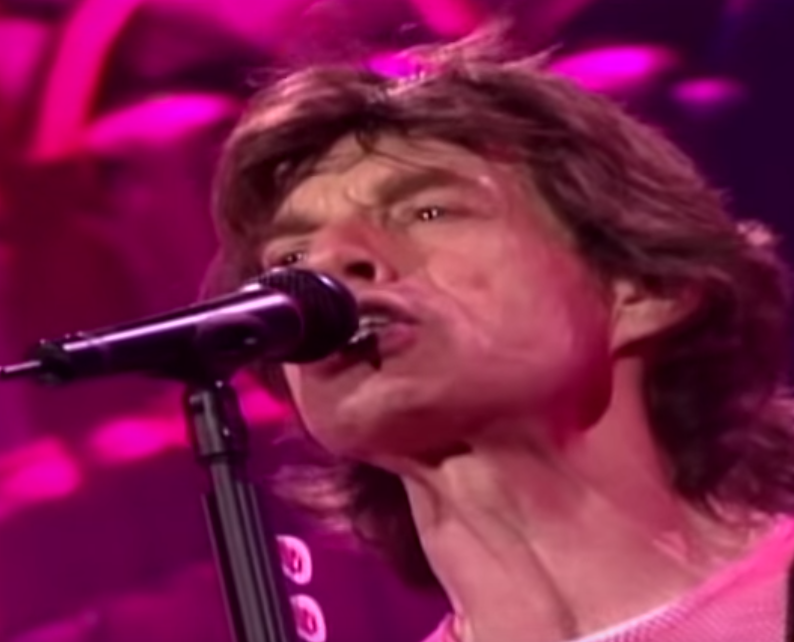
The Rolling Stones, complete biography, British rock, cultural revolution, concerts, and discography
Profile
The Rolling Stones are a British rock band founded in London in 1962, considered one of the longest-running, most influential, and most recognizable bands in the history of modern music. The historic core lineup consists of Mick Jagger (vocals), Keith Richards (guitar), Charlie Watts (drums), and Ronnie Wood (guitar), with Brian Jones as a central figure in the early phase.
The Rolling Stones represent the archetype of the rock band as a total cultural phenomenon: not only music, but attitude, imagery, language, and generational continuity. Their history spans more than six decades of social and musical transformations, while maintaining a recognizable and coherent identity.

Historical context and the band’s formation (early 1960s)
In the early 1960s, the United Kingdom experienced a profound cultural transformation. A new generation came into contact with:
The Rolling Stones were born as a direct response to this context. Unlike other British groups more oriented toward pop melody, they focused from the outset on a raw, blues-oriented, and deliberately anti-conventional repertoire.
Brian Jones and the blues phase (1962–1964)
In the band’s first incarnation, Brian Jones was the main artistic driver. The early repertoire was strongly anchored to:
In this phase, the Rolling Stones built an identity alternative to the more “clean-cut” image of other British groups, adopting a more transgressive image and a dirtier, more direct sound.
Jagger–Richards: the rise of a songwriting partnership (1964–1966)
Over time, the central role of the Mick Jagger / Keith Richards partnership emerged as the band’s creative engine. The group began writing original material, developing:
This phase marks the shift from the Rolling Stones as blues interpreters to the Rolling Stones as authors and innovators of rock.
Stylistic expansion and psychedelia (1966–1967)
In the second half of the 1960s, the group absorbed psychedelic and experimental influences. The use of non-conventional instruments, complex arrangements, and visionary atmospheres broadened their language.
It was a period of exploration, in which the band experimented without losing its link to blues roots, preparing the ground for a more mature turn.
Return to roots and creative maturity (1968–1972)
Between the late 1960s and the early 1970s, the Rolling Stones reached one of the highest phases of their career.
Key characteristics of this period:
a return to a more essential, earthbound rock,
strong centrality of groove and rhythm,
more complex and ambiguous lyrics,
drier, more powerful production.
These years are often considered the band’s “classic” era, when their rock language reached an almost definitive balance.
Concerts, excess, and the mythic dimension
Alongside their studio development, the Rolling Stones built an unprecedented live reputation. Their concerts became mass events, characterized by:
In this period, the myth of the Rolling Stones as the embodiment of rock excess took shape, with a narrative that fused music, provocation, and lifestyle.
The 1970s: internationalization and consolidation
During the 1970s the band became a global institution. Despite lineup changes (notably Brian Jones’s departure and later Mick Taylor’s exit), the Rolling Stones maintained:
a strong sonic identity,
the ability to adapt to shifts in taste,
the centrality of the concert as the core of the experience.
Their rock opened to funk, reggae, and soul influences without losing recognizability.
The 1980s and 1990s: continuity and management of the myth
In the 1980s and 1990s, while many historic bands disbanded or lost relevance, the Rolling Stones pursued a strategy of controlled continuity.
Key elements of this phase:
major world tours,
careful stewardship of their historic catalog,
less frequent but coherent studio output,
transformation of the band into a transgenerational cultural symbol.
From 2000 onward: active longevity
In the 21st century, the Rolling Stones continued to release music and perform live, demonstrating unprecedented longevity in rock.
Even after the death of Charlie Watts in 2021, the band maintained an active presence, confirming their identity as a collective project that goes beyond individual members.
Musical style (discursive analysis)
The Rolling Stones’ language is built on:
electric blues as the primary root,
essential, cyclical guitar riffs,
centrality of rhythm and groove,
voice as a narrative and provocative instrument,
lyrics oscillating between irony, ambiguity, and social critique.
Their style is not based on technical complexity, but on expressive effectiveness and the ability to create an immediately recognizable sonic identity.
Early period and British blues (1964–1966)
Studio albums
| Year | Album | Main tracks |
|---|
| 1964 | The Rolling Stones | Route 66 · I Just Want to Make Love to You |
| 1965 | Out of Our Heads | (I Can’t Get No) Satisfaction · The Last Time |
| 1966 | Aftermath | Paint It, Black · Under My Thumb |
Transition and psychedelia (1967)
Studio albums
| Year | Album | Main tracks |
|---|
| 1967 | Between the Buttons | Let’s Spend the Night Together · Ruby Tuesday |
| 1967 | Their Satanic Majesties Request | She’s a Rainbow · 2000 Light Years from Home |
Golden era – classic rock and artistic maturity (1968–1972)
Studio albums
| Year | Album | Main tracks |
|---|
| 1968 | Beggars Banquet | Sympathy for the Devil · Street Fighting Man |
| 1969 | Let It Bleed | Gimme Shelter · You Can’t Always Get What You Want |
| 1971 | Sticky Fingers | Brown Sugar · Wild Horses |
| 1972 | Exile on Main St. | Tumbling Dice · Happy |
1970s period – evolution and experimentation (1973–1978)
Studio albums
| Year | Album | Main tracks |
|---|
| 1973 | Goats Head Soup | Angie · Dancing with Mr. D |
| 1974 | It’s Only Rock ’n Roll | It’s Only Rock ’n Roll · Time Waits for No One |
| 1976 | Black and Blue | Fool to Cry · Hot Stuff |
| 1978 | Some Girls | Miss You · Beast of Burden |
1980s period – continuity and internal tensions (1981–1989)
Studio albums
| Year | Album | Main tracks |
|---|
| 1981 | Tattoo You | Start Me Up · Waiting on a Friend |
| 1983 | Undercover | Undercover of the Night · She Was Hot |
| 1986 | Dirty Work | Harlem Shuffle · One Hit (to the Body) |
| 1989 | Steel Wheels | Mixed Emotions · Rock and a Hard Place |
Modern era and artistic longevity (1994–present)
Studio albums
| Year | Album | Main tracks |
|---|
| 1994 | Voodoo Lounge | Love Is Strong · You Got Me Rocking |
| 1997 | Bridges to Babylon | Anybody Seen My Baby? · Out of Control |
| 2005 | A Bigger Bang | Rough Justice · Streets of Love |
| 2016 | Blue & Lonesome | Just Your Fool · Ride ’Em On Down |
| 2023 | Hackney Diamonds | Angry · Sweet Sounds of Heaven |
Live albums and special projects (selection)
| Year | Album | Note |
|---|
| 1970 | Get Yer Ya-Ya’s Out! | Historic live album from the golden era |
| 1995 | Stripped | Intimate and acoustic performances |
| 2012 | GRRR! | 50th anniversary compilation |