

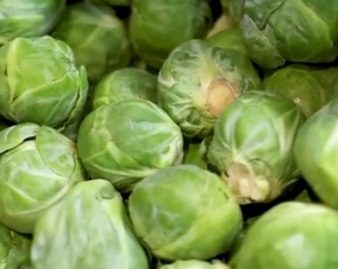
Brussels sprouts
Rating : 7
| Evaluation | N. Experts | Evaluation | N. Experts |
|---|---|---|---|
| 1 | 6 | ||
| 2 | 7 | ||
| 3 | 8 | ||
| 4 | 9 | ||
| 5 | 10 |
Pros:
Antioxidant (1) Anti-inflammatory (1)10 pts from FRanier
| Sign up to vote this object, vote his reviews and to contribute to Tiiips.Evaluate | Where is this found? |
| "Brussels sprouts studies" about Brussels sprouts Review Consensus 8 by FRanier (10041 pt) | 2019-Jul-15 18:21 |
| Read the full Tiiip | (Send your comment) |
Volatile Compounds of Selected Raw and Cooked Brassica Vegetables.
Wieczorek MN, Jeleń HH.
Molecules. 2019 Jan 22;24(3). pii: E391. doi: 10.3390/molecules24030391.
Wine astringency reduces flavor intensity of Brussels sprouts.
Carpenter G, Cleaver L, Blakeley M, Hasbullah N, Houghton J, Gardner A.
J Texture Stud. 2019 Feb;50(1):71-74. doi: 10.1111/jtxs.12378.
Profiling of Phenolic Compounds and Antioxidant Activity of 12 Cruciferous Vegetables.
Li Z, Lee HW, Liang X, Liang D, Wang Q, Huang D, Ong CN.
Molecules. 2018 May 10;23(5). pii: E1139. doi: 10.3390/molecules23051139.
Brussels Sprout Decapitation Yields Larger Sprouts of Superior Quality.
Jakopic J, Weber N, Cunja V, Veberic R, Slatnar A.
J Agric Food Chem. 2016 Oct 12;64(40):7459-7465.
anteiso-Fatty Acids in Brussels Sprouts (Brassica oleracea var. gemmifera L.): Quantities, Enantioselectivities, and Stable Carbon Isotope Ratios.
Eibler D, Seyfried C, Kaffarnik S, Vetter W.
J Agric Food Chem. 2015 Oct 14;63(40):8921-9. doi: 10.1021/acs.jafc.5b03877
Liquid chromatography-mass spectrometry coupled with multivariate analysis for the characterization and discrimination of extractable and nonextractable polyphenols and glucosinolates from red cabbage and Brussels sprout waste streams.
Gonzales GB, Raes K, Vanhoutte H, Coelus S, Smagghe G, Van Camp J.
J Chromatogr A. 2015 Jul 10;1402:60-70. doi: 10.1016/j.chroma.2015.05.009
Effect of polyphenols extracts from Brassica vegetables on erythrocyte membranes (in vitro study).
Duchnowicz P, Bors M, Podsędek A, Koter-Michalak M, Broncel M.
Environ Toxicol Pharmacol. 2012 Nov;34(3):783-90. doi: 10.1016/j.etap.2012.09.008.
Nutritional quality of sous vide cooked carrots and brussels sprouts.
Chiavaro E, Mazzeo T, Visconti A, Manzi C, Fogliano V, Pellegrini N.
J Agric Food Chem. 2012 Jun 13;60(23):6019-25. doi: 10.1021/jf300692a.
Effect of different cooking methods on color, phytochemical concentration, and antioxidant capacity of raw and frozen brassica vegetables.
Pellegrini N, Chiavaro E, Gardana C, Mazzeo T, Contino D, Gallo M, Riso P, Fogliano V, Porrini M.
J Agric Food Chem. 2010 Apr 14;58(7):4310-21. doi: 10.1021/jf904306r.
Effects of Brussels sprout juice on the cell cycle and adhesion of human colorectal carcinoma cells (HT29) in vitro.
Smith TK, Lund EK, Clarke RG, Bennett RN, Johnson IT.
J Agric Food Chem. 2005 May 18;53(10):3895-901.
| Sign up to vote this object, vote his reviews and to contribute to Tiiips.EvaluateClose | (0 comments) |
| "Descrizione" about Brussels sprouts Review Consensus 10 by FRanier (10041 pt) | 2025-Dec-01 17:50 |
| Read the full Tiiip | (Send your comment) |
Brussels sprouts (Brassica oleracea L. var. gemmifera)
Description
Brussels sprouts are small leaf buds that develop along the main stem of a particular type of cabbage, belonging to the species Brassica oleracea, variety gemmifera, in the Brassicaceae (crucifer) family. The “little balls” we eat are actually enlarged buds – tiny miniature cabbages – that form in the leaf axils along the upright stem.
The plant has a sturdy, erect stem that can reach and exceed 1 m in height. From the base upwards, the sprouts develop along the stem, while at the top there is a tuft of larger expanded leaves. Each sprout is usually 2–4 cm in diameter, more or less spherical–oval, with tightly overlapping leaves, compact structure and green colour, from light to medium-dark, sometimes with slightly yellowish–green tones in paler cultivars.
Culinarily, Brussels sprouts are a typical winter vegetable in cool temperate climates, especially associated with Northern European cuisines. They have a strong flavour, combining sweet notes from natural carbohydrates with a characteristic bitter and sulphurous background linked to glucosinolates, the typical sulphur compounds of crucifers. When properly prepared – for example roasted, pan-seared, or briefly steamed and then finished with good fats, spices and aromatic ingredients – they offer a very interesting and versatile sensory profile.
Nutritionally, Brussels sprouts stand out for their high content of vitamin C, vitamin K1, dietary fibre, folate, and a rich array of glucosinolates and other phytochemicals typical of Brassica vegetables.

Botanical classification
Common name: Brussels sprouts
Clade: Angiospermae
Order: Brassicales
Family: Brassicaceae
Genus: Brassica
Species: Brassica oleracea L. var. gemmifera
Climate
Brussels sprouts prefer a cool, temperate climate, with mild autumns and winters that allow slow, steady growth. They are more tolerant of cold than heat and, once established, withstand low temperatures close to 0 °C well, often with an improvement in the flavour and texture of the sprouts. By contrast, prolonged high temperatures slow development and can impair uniform sprout formation along the stem.
Exposure
The ideal exposure is full sun, especially in the cooler seasons, to ensure efficient photosynthesis and good vegetative growth. In areas with very hot summers, light shading during the central hours of the day can help reduce heat stress in young plants, although the crop is usually scheduled for the cooler times of the year.
Soil
Brussels sprouts grow best in deep, medium–textured, fertile, well–drained soils rich in organic matter. They prefer neutral to slightly alkaline pH. A well–worked, loose soil without waterlogging supports a strong root system and balanced vegetation, which is essential for forming numerous compact sprouts along the stem.
Irrigation
Irrigation must be regular and well managed, keeping the soil constantly moist but not saturated. In periods of prolonged drought, especially during sprout enlargement, it is necessary to provide adequate watering to avoid growth checks and small, loose sprouts. Watering is best done in the morning or late afternoon, limiting water on the foliage and, where possible, using mulching to reduce evaporation.
Temperature
The optimal temperature range for vegetative development is generally between 12 and 20 °C. Lower values, down to around 0 °C, are tolerated once the plants are well established and can even improve sprout firmness and taste. Prolonged temperatures above about 25–26 °C may reduce final quality and result in more irregular sprout formation.
Fertilization
Fertilization is based on a good supply of well–matured organic matter before planting, to improve soil structure and ensure long–term fertility. As a relatively long–cycle crop with substantial biomass production, Brussels sprouts need a balanced availability of nitrogen, phosphorus and potassium. Nitrogen should be supplied in moderate, split doses to avoid excessive vegetative growth and overly soft plants; phosphorus and potassium help strengthen tissues and improve sprout quality.
Crop care
Main crop care operations include weed control, especially in the early stages, using light hoeing or mulching, and maintaining a loose soil surface to favour aeration and drainage. It is important to monitor for pests typical of brassicas, such as aphids and leaf–feeding caterpillars, as well as fungal diseases. In some cultivation practices, the top of the stem is pinched towards the end of the cycle to promote uniform enlargement of the sprouts already formed.
Harvest
Brussels sprouts are harvested progressively as the buds along the stem reach the desired size and firmness, starting from the base and moving upwards. Sprouts should be firm, tightly closed and uniformly green. This staggered harvest extends the availability period; in some cases the whole plant is cut and the sprouts are removed later.
Propagation
Propagation is by seed, usually in seedbeds or plug trays, followed by transplanting to the field when seedlings have developed several true leaves and a sufficiently strong root system. Sowing is scheduled according to the transplanting date and desired harvest window, taking local climate conditions into account. Adequate spacing between plants is essential to allow good stem development and the formation of numerous high–quality sprouts.
Indicative nutritional values per 100 g (raw Brussels sprouts)
Average values for 100 g of raw Brussels sprouts (edible portion):
Energy: ~40–45 kcal (about 42–43 kcal)
Water: ~86 g
Total carbohydrates: ~8.5–9 g
of which simple sugars: ~2–2.5 g
the rest as starch + fibre
Total fibre: ~3.5–4 g
Protein: ~3.0–3.5 g
Total fat: ~0.3–0.4 g
SFA (saturated fatty acids, whose excessive overall intake in the diet is associated with less favourable lipid profiles): very low
MUFA (monounsaturated fatty acids, generally beneficial when they replace part of SFA): traces
PUFA (polyunsaturated fatty acids, including n-6 and n-3 series involved in inflammation and cardiovascular health): traces
Key micronutrients per 100 g raw:
Vitamin C: ~80–90 mg (very high, higher than many citrus fruits on equal weight)
Vitamin K1: ~170–180 µg (very high)
Folate (vitamin B9): ~60–70 µg
Vitamin A (as beta-carotene): meaningful amounts
Potassium: ~350–390 mg
Useful levels of calcium, magnesium, phosphorus and iron in smaller amounts
Cooking reduces vitamin C and some heat-sensitive compounds, but fibre content remains essentially similar.
Key constituents
Beyond basic nutrients, Brussels sprouts are rich in characteristic Brassica phytochemicals:
Glucosinolates (e.g. glucobrassicin, sinigrin and others): precursors of isothiocyanates and indoles formed during cutting, chewing and digestion via myrosinase (plant and gut bacterial enzyme). These metabolites are thought to contribute to potential protective effects, including support to phase II detoxification enzymes, modulation of xenobiotic metabolism and inflammatory pathways.
Vitamin C: a key water-soluble antioxidant, involved in collagen synthesis, immune support and defence against oxidative stress.
Vitamin K1 (phylloquinone): essential for blood coagulation and important for bone health, through activation of vitamin K–dependent proteins.
Folate: crucial for one-carbon metabolism, DNA and RNA synthesis and proper cell division, particularly important in pregnancy.
Dietary fibre: both soluble and insoluble, supporting satiety, gut function and glycaemic modulation.
Polyphenols and other antioxidants, adding to overall radical-scavenging capacity.
Production process
Brussels sprouts are typically grown as an autumn–winter crop in temperate regions.
Cultivation: They are commonly established by transplanting young seedlings grown in nurseries. The crop cycle is relatively long: after vegetative growth and stem elongation, the axillary buds develop into sprouts. Ideal soil is well-drained, medium to light texture, with good organic matter content.
Nutrition and crop management: Proper nitrogen management is important to avoid excessive nitrate accumulation and to support growth; potassium is relevant for quality and firmness of sprouts. Pests typical of Brassica crops (e.g. flea beetles, cabbage white butterfly, aphids) must be managed through integrated pest management.
Harvesting: Done manually or mechanically when sprouts reach commercial size (~2–4 cm), are firm and compact. Harvest often starts from the lower sprouts, which mature first, moving gradually up the stem.
Post-harvest: Sprouts are trimmed (removal of loose or damaged leaves), sometimes graded by size, rapidly cooled, then packed in crates, trays or bags for fresh sale, or directed to freezing after a brief blanching step.
Physical properties
Appearance: small “mini cabbages”, spherical or slightly oval, with tightly packed leaves; diameter typically 2–4 cm.
Colour: mainly green, from light to medium-dark; prolonged storage or over-maturity can lead to yellowing.
Structure: compact leaf tissue, with high water content but more firmness than many leafy vegetables; this explains their relatively good cooking tolerance.
Odour: mild to clearly cabbage-like, especially when raw; more pronounced sulphurous notes develop on cooking, particularly if overcooked or boiled for a long time.
Sensory and technological properties
Brussels sprouts have:
Flavour: complex, combining sweet and nutty notes (especially when roasted or pan-seared) with a characteristic bitter–sulphurous background more evident with overcooking.
Texture: from firm–crisp (al dente, with short steaming or roasting) to soft and creamy when cooked for longer or stewed; steaming or boiling requires attention to avoid mushiness.
Aroma: intense and recognisably “cabbage-like”; if cooking is excessive or in a large volume of water, sulphur notes can become unpleasant.
Technologically, Brussels sprouts:
are well suited to dry-heat cooking (oven roasting, grilling, pan-searing), which concentrates flavours and promotes Maillard browning on the surface;
tolerate freezing reasonably well after blanching, retaining acceptable colour and much of their nutritional value;
can be fermented (e.g. in mixed Brassica ferments or “kimchi-style” preparations) to obtain complex aromatic profiles and increased organic acid content.
Food applications
Brussels sprouts are mainly used cooked:
Steamed or boiled: classic side dish, often finished with extra virgin olive oil or butter, plus herbs, spices, lemon juice or other flavourings.
Oven-roasted: halved or quartered, tossed with oil, salt, pepper and spices, sometimes combined with nuts, seeds, bacon, pancetta or small amounts of cheese. This method enhances sweet, nutty notes and reduces bitterness.
Pan-sautéed: with garlic, onion, smoked meats, seeds (e.g. sesame, pumpkin) or legumes, as a rich side dish or part of a vegetable main course.
In soups, stews and one-pot winter dishes, often combined with potatoes, pulses or grains.
Less commonly, in raw or lightly marinated salads (thinly shaved sprouts), for consumers who appreciate a strong flavour and firm crunch.
Nutrition and health
Like other cabbage and leafy Brassica vegetables, Brussels sprouts are considered a high–micronutrient-density food with substantial phytochemical richness. Within a balanced diet they help:
increase intake of vitamin C, supporting immune function, collagen synthesis and protection from oxidative stress;
provide vitamin K1 for proper blood coagulation and bone health;
supply folate, important for DNA synthesis and normal development (especially in pregnancy);
contribute fibre, which supports intestinal regularity, satiety and more stable postprandial glycaemia;
enrich the diet with glucosinolates and their derivatives (isothiocyanates, indoles), which are being studied for their potential protective effects on several aspects of health, including regulation of detoxification enzymes, modulation of hormone metabolism and low-grade inflammation.
Epidemiological and mechanistic studies on cruciferous vegetables and cancer risk suggest a possible association between adequate intake of these vegetables and a reduced risk of certain cancers. However, results are not fully consistent and depend on quantity, frequency, cooking methods and overall dietary pattern. Brussels sprouts should therefore be seen as part of a healthy, plant-rich diet, not as a stand-alone “cure” or guarantee of prevention.
For individuals on vitamin K antagonist anticoagulant therapy (e.g. warfarin), the very high vitamin K1 content requires particular attention: Brussels sprouts do not necessarily need to be avoided, but their intake should be regular and stable, agreed with the medical team, avoiding sudden large increases or decreases in green vegetable consumption.
Some people experience bloating, gas or intestinal discomfort, especially in the presence of irritable bowel syndrome or sensitivity to fermentable fibres and oligosaccharides (such as raffinose), which are typical of Brassica vegetables. In such cases, portion size, frequency and degree of cooking may need to be adjusted.
Portion note
For a healthy adult, reasonable portions of cooked Brussels sprouts are:
about 80–100 g (roughly 5–8 medium sprouts) as a side dish;
up to 150 g when they represent a major part of the plate, combined with other vegetables, grains or protein sources.
Within a balanced diet, 1–2 portions per week of Brussels sprouts fit easily into the commonly recommended “5 or more” servings of fruit and vegetables per day, alternating with other Brassica vegetables (broccoli, cauliflower, kale, cabbage, etc.).
Allergens and intolerances
Brussels sprouts are not among the major regulated food allergens. Nonetheless:
true allergy to Brassicaceae is rare but possible; symptoms may include oral itching, urticaria, facial or lip swelling, and, in severe cases, respiratory involvement.
People with irritable bowel syndrome or other functional gut disorders may find crucifers—including Brussels sprouts—trigger gas, cramping or changes in bowel habit because of fermentable fibres and certain complex carbohydrates.
Individuals very sensitive to sulphurous flavours and odours may simply dislike or poorly tolerate these vegetables, especially when overcooked.
Storage and shelf-life
Fresh Brussels sprouts are moderately perishable:
Store in the refrigerator at around 4 °C, preferably in the vegetable drawer, in a perforated bag or loosely closed container to retain moisture without condensation.
Typical domestic shelf-life is about 3–5 days; after this, yellowing, loss of firmness, stronger odours and darkening at the base may appear.
It is best not to wash sprouts before storage; wash them shortly before use to avoid excessive surface moisture and mould.
Frozen Brussels sprouts have a much longer shelf-life (several months, if kept at suitable freezing temperatures) and should be consumed within the best-before date indicated on the packaging.
Safety and regulatory
From a food safety standpoint, Brussels sprouts share many features with other fresh vegetables:
Because they are often eaten after short cooking (steaming, stir-frying) or occasionally almost raw, careful cleaning and washing is important to reduce potential microbial contamination.
Their nitrate content is generally moderate and usually lower than that of leafy greens like lettuce and spinach, but it still depends on fertilisation, light and other crop conditions. European regulatory monitoring focuses mainly on leafy vegetables with the highest nitrate levels, but good agricultural practice is relevant for all vegetables.
In the EU, there are no specific nitrate limits set exclusively for Brussels sprouts as there are for spinach and lettuce; general regulations on contaminants, hygiene, pesticide residues and good agricultural practices apply.
Labelling
For fresh Brussels sprouts sold loose or prepacked, labels generally include:
the product name, e.g. “cavolini di Bruxelles / Brussels sprouts”;
the country of origin;
commercial class and net weight where required.
For frozen Brussels sprouts:
ingredient list (usually just “Brussels sprouts”);
storage instructions (freezing temperature, behaviour after opening);
basic preparation instructions (boiling, steaming, microwave, etc.);
full nutrition declaration.
In composite foods (e.g. mixed frozen vegetables, ready meals, packaged soups), Brussels sprouts must be listed by name in the ingredient list, in descending order of proportion.
In cosmetics, extracts can appear under INCI as Brassica Oleracea Gemmifera Extract.
Troubleshooting
Common practical issues and how to address them:
Very bitter sprouts with strong odour
Possible cause: overcooking, especially extended boiling.
Action: shorten cooking time, prefer roasting, pan-searing or brief steaming; halve the sprouts to cook them evenly; season with flavourful fats (olive oil, clarified butter), spices, lemon juice or vinegar to balance bitterness.
Hard, undercooked core
Possible cause: large sprouts cooked whole for too short a time.
Action: cut a shallow cross at the base or halve/quarter them; increase cooking time slightly or parboil before roasting or sautéing.
Dull colour and mushy texture
Possible cause: prolonged boiling and/or holding in hot water.
Action: cook only until tender-crisp, avoid long holding; if needed, shock in cold or iced water after boiling and reheat briefly before serving; choose dry-heat methods for better colour and texture.
Bloating and gas after eating
Possible cause: sensitivity to fermentable fibres and oligosaccharides typical of Brassica vegetables.
Action: start with small portions, increase gradually, prefer well-cooked sprouts (rather than raw or very firm), and consume them together with other foods instead of in very large, isolated portions.
Main INCI functions (cosmetics)
In cosmetics, Brussels sprout extracts are used under names such as Brassica Oleracea Gemmifera Extract. Main reported functions include:
Astringent: can help reduce the perception of oiliness and confer a mild tightening/toning feel to the skin.
Skin conditioning / antioxidant support: Brassica extracts may provide antioxidant phytochemicals (polyphenols, glucosinolate derivatives), supporting protection from environmental oxidative stress alongside other actives.
In some proprietary ingredients, “Brussels Sprout Cellular Extract” is promoted for potential soothing, anti-redness, anti-age or brightening effects, which must be evaluated case by case against supplier data and in compliance with cosmetic claims regulations.
As with all botanical extracts, a proper safety assessment (irritation, sensitisation, purity, stability) and compliance with the Cosmetics Regulation and relevant guidelines on usage levels and claims are required.
Conclusion
Brussels sprouts (Brassica oleracea L. var. gemmifera) are a winter vegetable with high micronutrient density and a significant content of protective phytochemicals. They provide vitamin C, vitamin K1, folate, fibre and an important array of glucosinolates, in a relatively low-calorie package. Although their flavour can be “challenging” for those who dislike crucifers, appropriate kitchen techniques (cutting, cooking time, and pairing with quality fats, acidity and aromatic ingredients) can highlight their sweet, nutty, vegetal notes while softening bitterness and sulphurous odours.
As part of a varied, vegetable-rich diet, Brussels sprouts can contribute to oxidative stress protection, support immune function and bone health, and improve overall dietary quality in terms of fibre and micronutrients, while respecting individual needs (e.g. anticoagulant therapy, gut sensitivity). In cosmetics, they have a niche role as astringent and antioxidant-support extracts, confirming the interest in this small Brassica not only in the kitchen but also as a functional plant-derived ingredient.
Mini-glossary
Glucosinolates: sulphur-containing natural compounds characteristic of Brassicaceae (cabbages, broccoli, Brussels sprouts). When hydrolysed by myrosinase, they yield isothiocyanates and indoles studied for detoxification-supporting and cell-protective actions.
Isothiocyanates: reactive compounds derived from glucosinolates, considered important contributors to the potential protective effects of cruciferous vegetables (modulation of detoxification enzymes, effects on cell proliferation and inflammation).
Indoles (e.g. indole-3-carbinol): compounds formed from specific glucosinolates, studied for effects on hormone metabolism and potential chemopreventive properties.
Vitamin K1 (phylloquinone): plant form of vitamin K, essential for blood clotting and involved in bone metabolism.
SFA (saturated fatty acids): fatty acids with no double bonds; excessive intake is associated with less favourable lipid and cardiovascular profiles.
MUFA (monounsaturated fatty acids): fatty acids with one double bond; generally beneficial when they replace SFA in a balanced diet (e.g. Mediterranean pattern).
PUFA (polyunsaturated fatty acids): fatty acids with two or more double bonds (n-6 and n-3 series), involved in the regulation of inflammation, cardiovascular function and many metabolic processes.
Nitrates: naturally occurring salts in vegetables (especially leafy greens). Part can be converted to nitric oxide with vasodilatory effects, but under unfavourable conditions they may contribute to nitrosamine formation; hence the existence of regulatory monitoring and limits in sensitive crops.
| Sign up to vote this object, vote his reviews and to contribute to Tiiips.EvaluateClose | (0 comments) |
Read other Tiiips about this object in __Italiano (3)
Content:   Last update:   2021-12-13 21:24:59 | Kcal/100g:   43 Family:   Threat factors:  
|

