

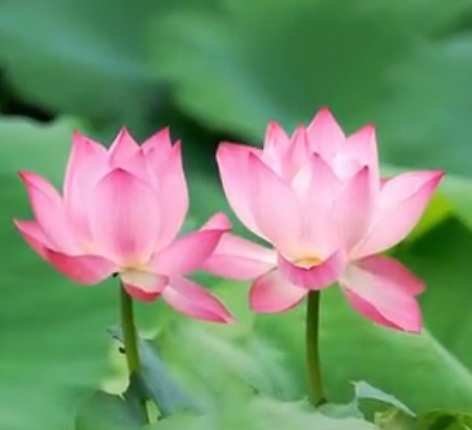
Lotus flower
Rating : 9
| Evaluation | N. Experts | Evaluation | N. Experts |
|---|---|---|---|
| 1 | 6 | ||
| 2 | 7 | ||
| 3 | 8 | ||
| 4 | 9 | ||
| 5 | 10 |
0 pts from A_Partyns
| Sign up to vote this object, vote his reviews and to contribute to Tiiips.Evaluate | Where is this found? |
| "Descrizione" about Lotus flower by A_Partyns (13035 pt) | 2025-Dec-07 10:34 |
| Read the full Tiiip | (Send your comment) |
Lotus flower (Nelumbium speciosum)
The lotus flower, Nelumbium speciosum, now generally assigned to the genus Nelumbo, is one of the most extensively studied aquatic plants for its botanical, ecological, and health-related relevance. Belonging to the family Nelumbonaceae, it exhibits a highly specialized biological structure, with fleshy rhizomes anchored deeply in the sediment and large, peltate leaves with a markedly hydrophobic surface. These leaves have inspired research on the well-known “lotus effect”, a self-cleaning phenomenon that has become a model for various technological and biomimetic applications, including materials science and surface engineering.
The flower itself, characterized by a remarkable chromatic variability and a complex floral morphology, shows a very rare feature among angiosperms: thermoregulation of the floral receptacle. Through this process, the internal temperature of the flower can remain relatively constant even when ambient conditions fluctuate. This phenomenon has been the subject of biothermal studies aiming to clarify the mechanisms of energy dissipation and heat production in plants, and it is often cited as an example of refined physiological adaptation in the plant kingdom.
From a health perspective, the lotus flower is gaining increasing attention because of its bioactive compounds, which are distributed in different parts of the plant, especially in the seeds, petals, leaves, and rhizomes. The seeds, known both for their exceptional longevity and their biochemical stability, contain alkaloids, flavonoids, amino acids, and other phytochemicals that are actively investigated in nutraceutical research. The leaves, traditionally used in infusions and decoctions, have been studied for their content of antioxidant molecules, with potential roles in counteracting oxidative processes and supporting physiological responses to metabolic stress.
The rhizomes, rich in starch and various phenolic compounds, are examined for both their energy contribution and their possible functional properties related to the modulation of carbohydrate metabolism. In some dietary contexts, they are considered a source of complex carbohydrates and fiber, which may contribute to satiety and glycemic balance when consumed as part of a balanced diet. The petals, due to their flavonoid content, are also investigated for possible antioxidant activity and for their role in cellular protection mechanisms.
Although many of these potential health benefits are still being evaluated and require confirmation through rigorous clinical studies, the lotus is increasingly positioned as a plant of interest in the field of phytotherapy and functional foods. Its traditional use in Asian medical systems provides a historical and empirical framework, while modern research aims to clarify mechanisms of action, safety profiles, and the most appropriate forms and doses for human use. Any application for health purposes should remain within the scope of regulated practices and evidence-based approaches, avoiding extrapolation from preliminary or purely experimental data.
From an ecological standpoint, the lotus flower contributes significantly to the structure and functioning of aquatic ecosystems in which it grows. Its leaves and stems help create complex microhabitats that support invertebrates, fish, and other organisms, while the dense rhizome network promotes sediment consolidation and reduces erosion. These ecological roles make the species particularly relevant in discussions on habitat restoration and the management of shallow water bodies.
Finally, the cultural and symbolic significance of the lotus—deeply rooted in various Asian religious and philosophical traditions—has favored a long history of domestication and cultivation. This cultural dimension has indirectly stimulated scientific interest, ensuring a broader availability of plant material for biochemical, nutritional, and phytotherapeutic studies. The intersection between scientific, cultural, and health-related aspects makes the lotus flower a plant of enduring and multidisciplinary academic interest.
![]() | ![]() |
Botanical classification (APG IV system)
| Category | Data |
|---|---|
| Common name | Sacred lotus, Indian lotus, Asian lotus |
| Botanical name | Nelumbo nucifera Gaertn. |
| Taxonomic synonym | Nelumbium speciosum Willd. |
| Kingdom | Plantae |
| Clade | Angiosperms → Eudicots → basal eudicots |
| Order | Proteales |
| Family | Nelumbonaceae |
| Genus | Nelumbo |
| Species | Nelumbo nucifera Gaertn. |
Indicative nutritional values per 100 g (dried lotus seeds from Nelumbo nucifera)
Values refer to dried lotus seeds and may vary with variety, growing conditions and drying process.
| Component | Approximate value per 100 g |
|---|---|
| Energy | ~ 330–335 kcal |
| Water | ~ 14 g |
| Total carbohydrates | ~ 64–65 g |
| — of which sugars | ~ 2–5 g |
| Dietary fiber | ~ 4–6 g |
| Proteins | ~ 15–16 g |
| Total lipids | ~ 2 g |
| — of which saturated fatty acids (SFA) | ~ 0.3 g |
| — monounsaturated fatty acids (MUFA) | ~ 0.4 g |
| — polyunsaturated fatty acids (PUFA) | ~ 1.2 g |
| Sodium | very low (≈ 1–2 mg) |
| Main minerals | high potassium; significant phosphorus and magnesium; manganese, calcium and iron in moderate amounts |
| Vitamins | mainly B-group (especially thiamin), other vitamins present at trace levels |
At typical serving sizes (around 20–30 g of dried seeds as a snack or ingredient), lotus seeds provide a meaningful caloric and protein contribution, while total fat intake remains moderate.
Lipid profile note
The overall fat content of dried lotus seeds is low, and most of the energy comes from carbohydrates and proteins. Within the lipid fraction, saturated fatty acids (SFA) are present only in small amounts; when they predominate over unsaturated fats in the overall diet, they are generally considered less favourable for cardiovascular health. Monounsaturated fatty acids (MUFA) are usually regarded as more beneficial when they replace SFA in the diet. Polyunsaturated fatty acids (PUFA), including both omega-6 and omega-3, are important for cell membrane structure and for the modulation of inflammatory processes.
In lotus seeds the absolute amounts of SFA, MUFA and PUFA are modest, but their qualitative balance is more favourable than that of foods rich in saturated fats.
Nelumbium speciosum is a robust aquatic plant with distinctive features:
The lotus plant is rich in bioactive compounds, contributing to its medicinal and nutritional value:
Cultivating Nelumbium speciosum requires an aquatic environment and specific conditions:
The sacred lotus has diverse applications in traditional medicine, cuisine, and spirituality:
Culinary Uses:
Medicinal Benefits:
Spiritual Significance: Symbolizing purity and enlightenment, the lotus is a sacred emblem in Buddhism and Hinduism.
Nelumbium speciosum is an environmentally friendly plant that improves water quality by oxygenating the water and providing habitat for aquatic life. It is generally safe for consumption, though overconsumption of seeds or rhizomes may lead to mild digestive discomfort. Cultivation should be managed to prevent invasive tendencies in non-native regions. As with any plant product, individuals with allergies should use caution.
.
References__________________________________________________________________________
Ushimaru T, Kanematsu S, Katayama M, Tsuji H. Antioxidative enzymes in seedlings of Nelumbo nucifera germinated under water. Physiol Plant. 2001 May;112(1):39-46. doi: 10.1034/j.1399-3054.2001.1120106.x.
Abstract. Dry seeds of anoxia-tolerant lotus (Nelumbo nucifera Gaertn=Nelumbium speciosum Willd.) have green shoots with plastids containing chlorophyll, so photosynthesis starts even in seedlings germinated under water, namely hypoxia. Here we investigated antioxidative enzyme changes in N. nucifera seedlings responding to oxygen deficiency. The activity of superoxide dismutase (SOD; EC 1.15.1.1), dehydroascorbate reductase (DHAR; EC 1.8.5.1) and glutathione reductase (GR; EC 1.6.4.2) were lower in seedlings germinated under water (submerged condition) in darkness (SD seedlings) than those found in seedlings germinated in air and darkness (AD seedlings). In contrast, ascorbate peroxidase (APX; EC 1.11.1.11) activity was higher in SD seedlings and the activity of catalase (EC 1.11.1.6) and monodehydroascorbate reductase (MDAR; EC 1.6.5.4) in SD seedlings was nearly the same as in AD seedlings. When SD seedlings were exposed to air, the activity of SOD, DHAR and GR increased, while the activity of catalase and MDAR decreased. Seven electrophoretically distinct SOD isozymes were detectable in N. nucifera. The levels of plastidic Cu,Zn-SODs and Fe-SOD in SD seedlings were comparable with those found in AD seedlings, which may reflect the maintenance of green plastids in SD seedlings as well as in AD seedlings. These results were substantially different from those previously found in rice seedlings germinated under water.
Bashir S, Sial RN, Ashraf MU, Mushtaq MN, Adnan MA, Erum A. Phytochemical analysis and antimicrobial activity of aqueous and methanolic extracts of the flowers of Nelumbium speciosum. Pak J Pharm Sci. 2018 Nov;31(6):2429-2434.
Abstract. In present investigation aqueous and methanolic extracts of Nelumbium speciosum flowers were screened for phytochemical constituents and antibacterial activity to ascertain their traditional use. Antimicrobial activity of both extracts was tested by Kirby-Bauer disc diffusion method against four Gram positive strains, viz. Staphylococcus aureus (ATCC25923), Streptococcus agalactiae (13813), Bacillus subtilis (ATCC 6633), Staphylococcus epidermidis (ATCC 12228) and four Gram negative bacterial strains Escherichia coli (ATCC 8739), Pseudomonas aeruginosa (ATCC 27853), Proteus mirabilis (12453) and Klebsiella pneumoniae (10031). Phytochemical analysis showed the presence of tannins, saponins and alkaloids in both extracts while flavonoids and steroids were present only in methanolic extract. Methanolic extract of Nelumbium speciosum flower showed concentration dependent antibacterial activity against all tested strains with maximum zone of inhibition (17.3±0.3mm) against P. aeruginosa. Aqueous extract showed concentration dependent activity against S. aureus, E. coli, B. subtilis and S. epidermidis with maximum antibacterial activity against E. coli (14.3±0.3mm). MIC of methanolic and aqueous extracts was in the range of 0.015-0.251 and 0.0625-0.251 mg/mL, respectively. Results showed that methanolic extract of Nelumbium speciosum exhibits superior antibacterial activity than aqueous extract.
| Sign up to vote this object, vote his reviews and to contribute to Tiiips.EvaluateClose | (0 comments) |
Read other Tiiips about this object in __Italiano (1)
Hardiness:   Hardiness:   Natural fertilizer:   Hazards/diseases:   Last update:   2025-12-07 10:30:31 | Sun exposure:   Family:   Commercial fertilizer:   Main substances contained:   |

