

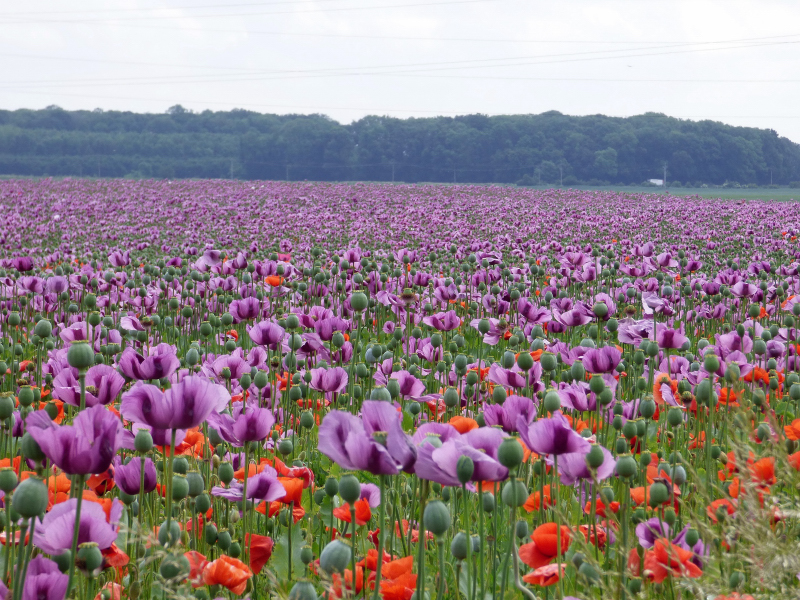
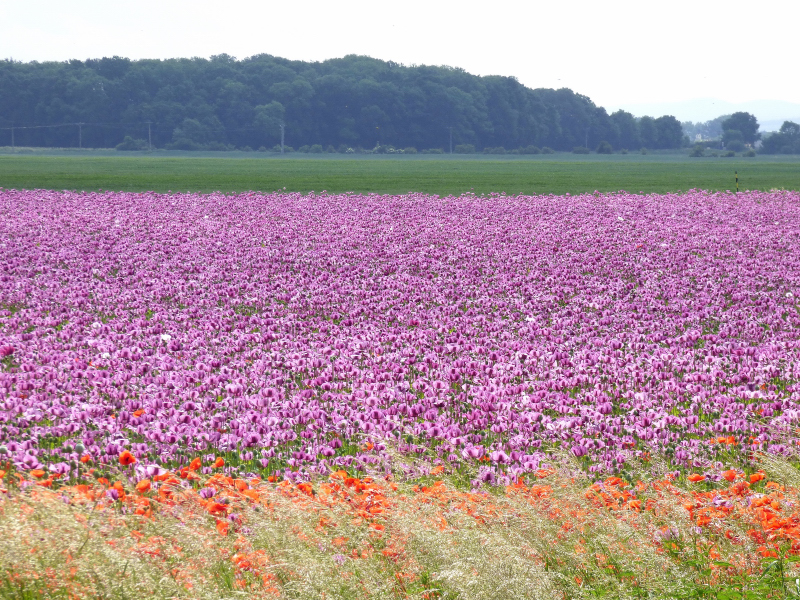
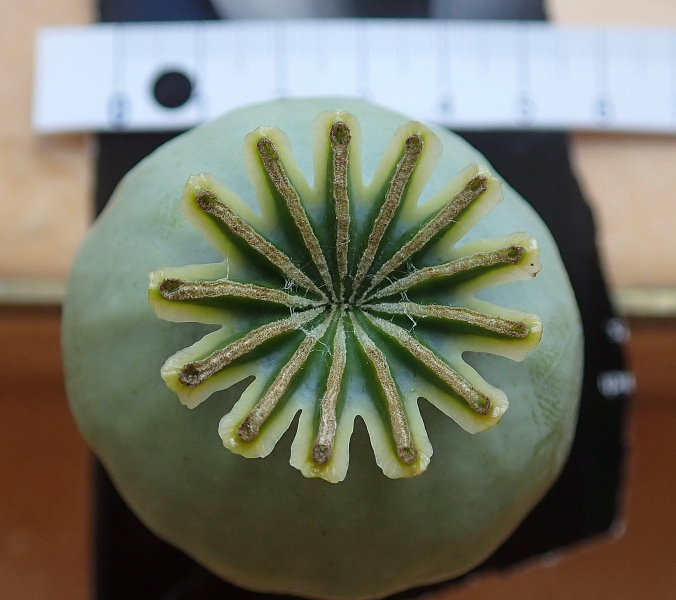
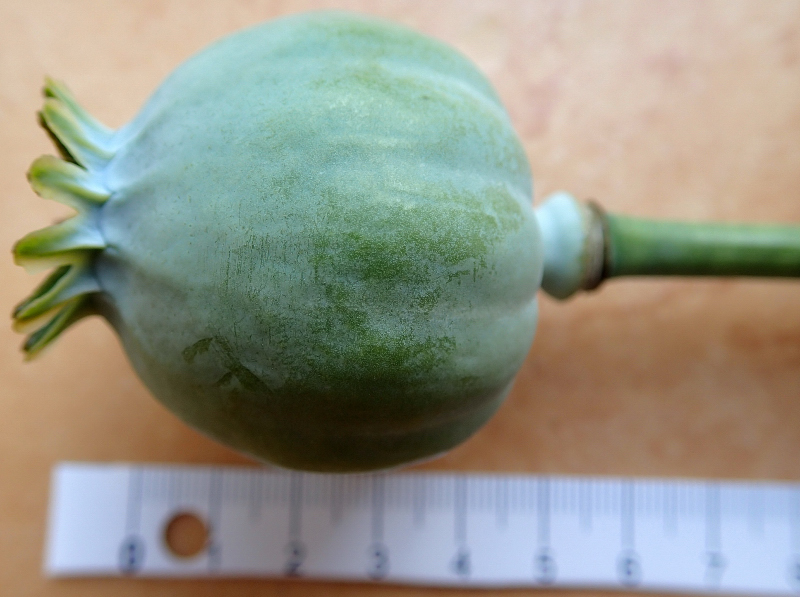
Violet-flowered poppy (Papaver somniferum – family Papaveraceae)
Description
The violet-flowered poppy is an ornamental cultivar of Papaver somniferum distinguished by abundant flowering with violet, lilac, or purplish petals. It is cultivated both for ornamental purposes and, in some contexts, for seed production. The plant is an annual herbaceous species with an erect, glabrous stem and broad, lobed, bluish-green leaves.

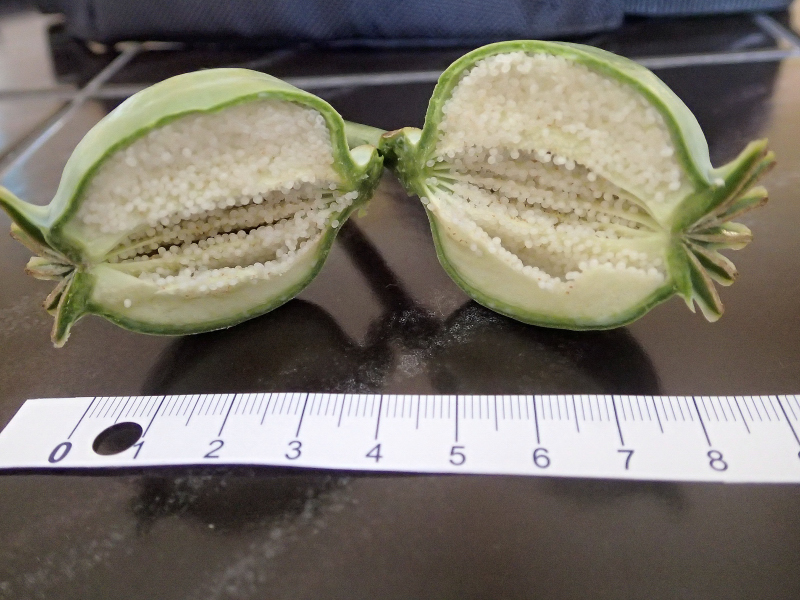
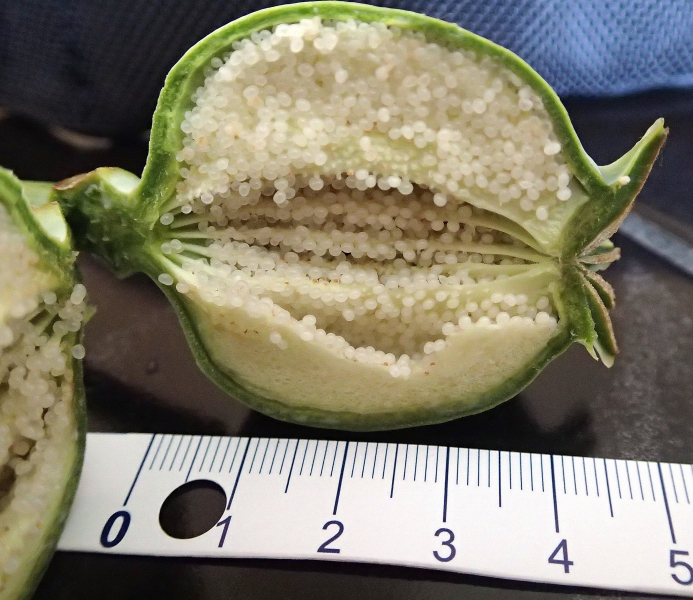
Flowering occurs from late spring to early summer and represents the phase of greatest visual interest, due to the high concentration of anthocyanin pigments responsible for the violet coloration. After flowering, the plant develops a rounded capsule which, at full maturity, contains numerous edible seeds.
From a botanical and agronomic standpoint, this cultivar does not differ structurally or chemically from the species type, except for flower color, which results from selective breeding. Cultivation requires temperate climates, full sun exposure, and well-drained soils.
It is essential to distinguish between the ornamental use of the flowering plant and the food use of fully mature seeds, which do not exhibit pharmacological activity. As with all Papaver somniferum varieties, cultivation may be subject to specific regulations in several countries.
Classification
| Level | Classification |
|---|
| Origin | Plant-based |
| Species | Papaver somniferum |
| Botanical family | Papaveraceae |
| Variety | Violet-flowered (ornamental cultivar) |
| Category | Annual herbaceous plant |
Plant and raw material characteristics
| Aspect | Description |
|---|
| Plant type | Annual herb |
| Average height | 80–150 cm |
| Flowers | Violet, lilac, or purple |
| Fruit | Rounded capsule |
| Edible part | Fully mature seeds |
| Ornamental value | High |
| Main seed components | Lipids, proteins, dietary fiber |
| Allergens | None known |
Indicative average nutritional values per 100 g (mature seeds)
| Component | Average value |
|---|
| Energy | 520 kcal |
| Protein | 18.0 g |
| Carbohydrates | 28.0 g |
| of which sugars | 2.5 g |
| Dietary fiber | 19.0 g |
| Fat | 41.0 g |
| of which saturated | 4.5 g |
| Calcium | 1,400 mg |
| Magnesium | 350 mg |
| Potassium | 720 mg |
| Vitamin E | 1.8 mg |
Average values referring exclusively to fully mature seeds intended for food use.
Note on nutritional use of the bioactive compounds present
Seeds of the violet-flowered poppy provide significant amounts of unsaturated fatty acids, contributing to a balanced lipid intake, along with plant proteins and dietary fiber. The high content of calcium and magnesium supports bone and muscle function, while tocopherols (vitamin E) contribute antioxidant activity.
Food use is restricted to fully mature seeds, whereas the vegetative plant and flowers are intended exclusively for ornamental or traditional uses.
Cultivation and growing conditions
Climate
Annual plant adapted to temperate climates.
Optimal growth temperature: 15–25 °C.
Tolerates cool conditions during early growth stages.
Prolonged high temperatures during flowering may reduce flower quality and longevity.
Exposure
Requires full sun for balanced development.
Needs at least 6–8 hours of direct sunlight per day.
Shaded conditions negatively affect flowering and capsule formation.
Soil
Prefers light, well-drained soils with moderate fertility.
Ideal texture: loam or sandy-loam.
Optimal pH: 6.5–7.5.
Avoid compacted or overly fertilized soils.
Irrigation
Requires moderate watering.
Soil should be kept slightly moist during germination.
Once established, the plant tolerates short periods of drought.
Avoid waterlogging, especially during capsule maturation.
Fertilization
Crop care
Weed control during early growth stages.
Does not tolerate transplanting; direct sowing is recommended.
Requires minimal care once established.
Good air circulation reduces the risk of fungal diseases.
Harvest
Purple flowers are harvested at full bloom for ornamental use.
Capsules are harvested at full maturity, when completely dry.
Harvest timing depends on the intended use (decorative or botanical).
Propagation
Exclusively by seed.
Direct sowing in autumn or late winter–early spring.
Germination is rapid under suitable conditions.
Shallow sowing improves seedling emergence.
How to grow it
Best suited for open ground cultivation, ornamental beds, or field plantings.
Generally unsuitable for container growing due to its root system.
Adequate plant spacing is required.
Proper management ensures uniform and decorative flowering.