

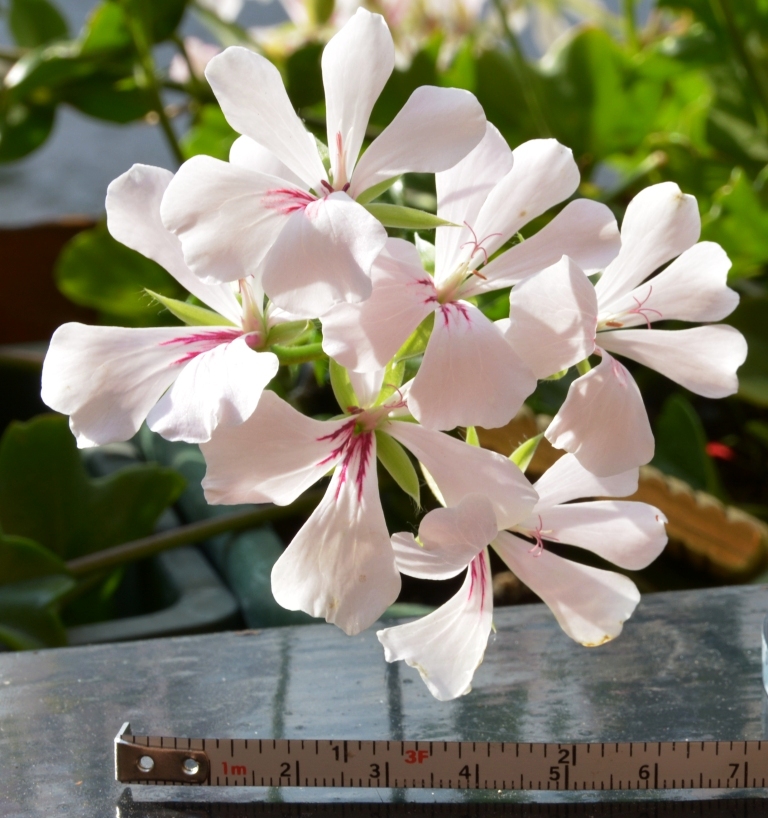
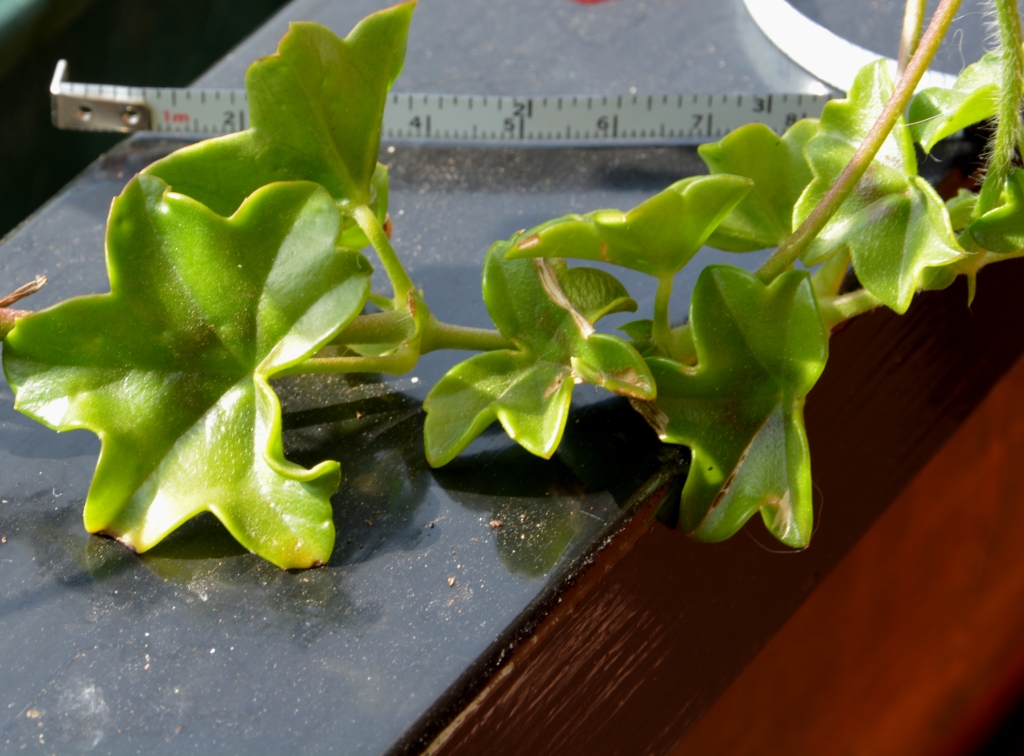
White ivy geranium (Pelargonium peltatum / Pelargonium × lateripes)
White ivy geranium is a horticultural/commercial name used for white-flowering selections of the trailing “ivy” Pelargonium, referring primarily to Pelargonium peltatum (family Geraniaceae). In literature and in some lists, the name Pelargonium lateripes may also appear; in modern taxonomic contexts, however, this name is often treated as not univocal (partly as a name misapplied to P. peltatum and partly as a hybrid nothospecies, indicated as Pelargonium × lateripes). In nursery practice, the main reference species for trailing ivy geraniums remains P. peltatum, and “white” plants are generally selected cultivars.
Botanical classification
Kingdom: Plantae
Order: Geraniales
Family: Geraniaceae
Genus: Pelargonium
Species (primary horticultural reference): Pelargonium peltatum
Nomenclatural note: Pelargonium × lateripes may be used for a hybrid taxon; “P. lateripes” is also reported as a synonym/non-standard usage in some taxonomic sources.
Plant characteristics
Pelargonium peltatum (and its ivy-type hybrids/cultivars) is typically characterized by:
Habit and size: A perennial (often grown as a seasonal plant), trailing or creeping; thin, flexible stems that can extend up to about 2 m under favourable conditions, suitable for balcony cascades.
Leaves: Fleshy, smooth or slightly pubescent, with an “ivy-like” outline (blade circular to heart-shaped, often with shallow lobing).
Flowers: Umbel-like clusters with multiple flowers; in “white ivy geranium,” corollas are predominantly white (sometimes with slight blush or pale veining depending on the cultivar).
Fruit: A capsule typical of the genus Pelargonium, releasing seeds at maturity.
Growing requirements: Prefers well-drained substrates, full sun (or bright partial shade in very hot summers), regular watering without waterlogging; good drought tolerance once established, poor frost tolerance.
Chemical composition and structure
Unlike “scented geraniums” grown specifically for essential oil, ivy geranium is primarily ornamental; however, the plant still contains compound classes commonly found in the genus Pelargonium:
Volatile components (trace/variable): Possible presence of monoterpenes and terpenic alcohols (e.g., geraniol, linalool) in amounts dependent on cultivar and growing conditions; these molecules are mainly relevant to the aromatic profile and the irritation potential of extracts/oils.
Polyphenols and phenolic compounds: Contribute to general antioxidant features of botanical extracts.
Flavonoids: Present in the leaf phytocomplex, supporting plant protection and of functional interest in extract production.
Uses and benefits
Ornamental: The primary use; valued for its trailing habit, extended flowering, and performance in containers.
Aromatic/secondary: Some sources report culinary use of P. peltatum leaves (a slightly tart note), but this is less common than for “scented” Pelargonium species.
Cosmetic (if extracted): Pelargonium peltatum extract appears in some formulations as a skin-conditioning ingredient.
Applications
Gardening and balcony planting: Hanging baskets, window boxes, raised borders, and trailing cover; effective in mixed plantings due to its cascading growth.
Cosmetics (raw material): Use of Pelargonium peltatum extract in leave-on or rinse-off products, typically to support skin conditioning.
Other: Limited traditional/local uses compared with more aromatic Pelargonium species.
Environmental and safety considerations
Environmental impact: Generally low when grown responsibly; widely cultivated mainly for ornamental purposes.
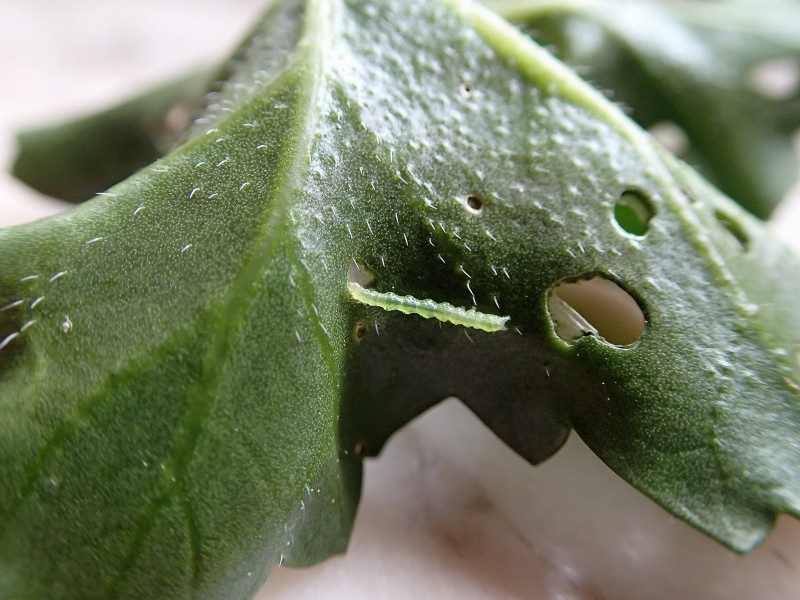
Pests and diseases: Susceptible, like other geraniums, to insects and pathogens; in some areas, lepidopteran pests associated with Pelargonium may cause damage to stems and leaves.
Safety: Generally safe as an ornamental plant. Extracts and oils (when present) may be irritant in sensitive individuals. In addition, Pelargonium species are commonly reported as toxic to dogs and cats (primarily gastrointestinal upset and, more rarely, systemic signs), with effects associated with aromatic constituents.
Synonyms
White ivy geranium, trailing geranium, cascading geranium
Ivy geranium, hanging geranium
Geranium peltatum (historical synonym)