



Aluminum Hydroxychloride, best known as Aluminium chlorohydrate is a chemical compound commonly used in deodorants and antiperspirants for its ability to reduce sweating. It works by temporarily blocking the sweat ducts, thereby reducing the amount of sweat produced.
The name describes the structure of the molecule:
- Aluminium, a metallic element. In the context of this compound, aluminum is used to form a complex with chlorine and hydroxide.
- chlorohydrate indicates the presence of chlorine and hydroxide in the compound. This combination gives the compound its antiperspirant properties.
Raw Materials and Their Functions
Aluminum. A metallic element that reacts with hydrochloric acid to form aluminium chlorohydrate.
Hydrochloric Acid. A strong acid used to react with aluminum to form aluminium chlorohydrate.
Industrial Chemical Synthesis of Aluminium Chlorohydrate
- Reaction of aluminum with hydrochloric acid. During this reaction, aluminium chlorohydrate compounds are formed.
- Reaction Control. The saponification reaction is monitored to ensure that the ratio of aluminum to hydrochloric acid is correct and the desired salt is formed.
- Purification. After the reaction, aluminium chlorohydrate is purified to remove impurities and by-products.
- Quality Control. The purified aluminium chlorohydrate undergoes quality checks to ensure it meets the required standards. After quality control, it is packaged for use in antiperspirant and deodorant products, where it utilizes its astringent properties and sweat reduction capabilities.
Form and Color
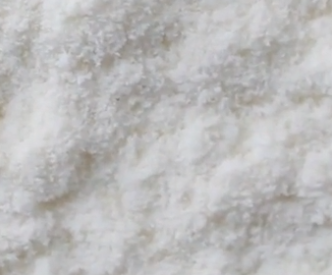
Aluminium Chlorohydrate is typically a solid in the form of powder or granules usually white or slightly yellowish.
What it is used for and where
Aluminium Chlorohydrate is widely used in deodorants and antiperspirants. Aluminium Chlorohydrate is effective in reducing sweating and controlling body odor, acting temporarily to close the pores that release sweat. It is also used in some pharmaceutical products for the treatment of hyperhidrosis, a condition characterized by excessive sweating.
Cosmetics
Antiperspirant. Controls both sweat and body odour by preventing sweat from reaching the stratum corneum with a preventive bactericidal action. If sweat has just reached the epidermal surface, it creates a temporary agglomeration on the sweat gland that will be removed by washing.
Cosmetic astringent. This ingredient exerts a direct effect on the skin by tightening dilated pores by contracting stratum corneum cells and removing superfluous oil.
Deodorant agent. When substances that give off an unpleasant odour are included in cosmetic formulations (typical examples are methyl mercaptan and hydrogen sulphide derived from garlic), deodorants attenuate or eliminate the unpleasant exhalation. It helps counteract the formation of bad odours on body surfaces.
Aluminium Chlorohydrate is used in many antiperspirant products, it is soluble in water and contains various aluminum oligomeric polycations with degrees of polymerization up to Al13 or Al30 (1).
It is also used in some wastewater recovery processes
Safety
Careful consideration should be given to the risk of cumulative aluminum intake, which cannot be ruled out because this ingredient can be found in both cosmetic products and widely consumed food products such as bread, various baked goods (2).
Molecular Formula: Al2ClH7O6
Molecular Weight: 192.463 g/mol
CAS: 12359-72-7
- Aluminium chlorohydroxide

