



Pinene
Sinonimi: pinene, α-pinene, β-pinene (isomeri); “pin-2(3)-ene” (denominazione regolatoria per specifici isomeri)
INCI / funzioni: antischiuma, fragranza (componente profumante)
Definizione
Il pinene è un monoterpene (idrocarburo terpene) che può essere presente come singolo isomero (ad es. α-pinene) o come miscela di isomeri (principalmente α- e β-pinene) in funzione dell’origine e della specifica commerciale. Dal punto di vista compositivo, l’ingrediente è costituito soprattutto da isomeri del pinene (C₁₀H₁₆), con possibili tracce di altri terpeni o impurità correlate alla filiera (entro limiti di specifica e del grado). In formulazione è usato soprattutto come componente odorosa (nota resinosa/balsamica) e, in alcuni sistemi, come supporto tecnico antischiuma o come solvente/ingrediente funzionale in ambito industriale.
Alimentazione: possibile impiego come componente aromatico-tecnico in ambiti specifici (di norma a livelli traccia, secondo categoria e requisiti applicabili).
Medicina: è stata segnalata un'ampia gamma di attività farmacologiche, tra cui la modulazione della resistenza agli antibiotici, anticoagulanti, antitumorali, antimicrobici, antimalarici, antiossidanti, antinfiammatori, anti-Leishmania e effetti analgesici, nonché effetti citogenetici, gastro protettivi, ansiolitici, citoprotettivi, anticonvulsivi e neuroprotettivi.
Cosmetica: fragranza (profilo aromatico “pino/resinoso”) e, dove pertinente, contributo antischiuma in sistemi specifici.
Uso industriale: impiego come solvente, componente per profumazioni tecniche, e come intermedio per derivati terpenici/resine (secondo specifica di settore).
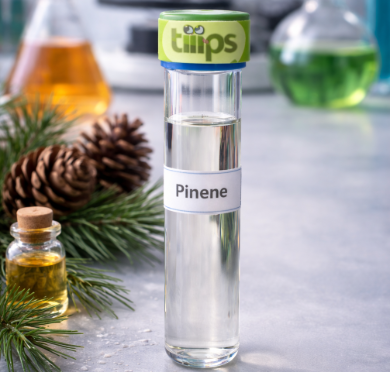
Calorie (valore energetico)
| Parametro | Valore |
|---|---|
| Valore energetico (100 g) | ~900 kcal (stima indicativa per idrocarburi terpenici; non è un parametro “nutrizionale” d’uso) |
| Nota tecnica | In pratica è utilizzato a livelli molto bassi (funzione aromatica/tecnica), quindi l’impatto energetico sul prodotto finito è trascurabile |
Dati di identificazione e specifiche
| Parametro | Valore |
|---|---|
| Nome INCI (CosIng) | Pinene |
| Formula bruta | C₁₀H₁₆ |
| Massa molare | 136,24 g/mol (riferimento per isomeri del pinene) |
| Numero CAS (Pinene / α-pinene, comunemente riportato) | 80-56-8 |
| Numero EC (associato) | 201-291-9 |
| Nota su gradi e isomeria | Dettaglio |
|---|---|
| β-pinene (spesso venduto come sostanza specifica) | CAS 127-91-3; EC 204-872-5 |
| Impostazione pratica | in acquisto e in documentazione, verificare sempre se il materiale è α-pinene, β-pinene o miscela (“pinene”), perché cambiano purezza, profilo olfattivo e scheda SDS |
Principali sostanze contenute
| Classe | Componenti principali | Nota tecnica |
|---|---|---|
| Monoterpeni (C₁₀H₁₆) | α-pinene e/o β-pinene | driver principale di odore e comportamento fisico |
| Componenti minori (grado-dipendente) | altri terpeni in tracce | influenzano profilo olfattivo e stabilità all’ossidazione |
| Tracce controllate | impurità di processo/filiera entro specifica | rilevanti per QC e sicurezza, non per funzione primaria |
Proprietà fisico-chimiche e di sicurezza (rilevanti in pratica)
| Proprietà | Indicazione (tipica, indicativa) |
|---|---|
| Stato fisico | liquido |
| Infiammabilità | liquido infiammabile (rischio vapori infiammabili) |
| Solubilità | praticamente insolubile in acqua; solubile in molti solventi organici |
| Reattività | può reagire con ossidanti forti; tende a ossidarsi all’aria nel tempo (profilo grade-dipendente) |
Ruolo funzionale in formulazione
| Funzione | Cosa fa in formula | Note operative |
|---|---|---|
| Fragranza | contribuisce a una nota resinosa/balsamica | valutare compatibilità con base profumata e stabilità all’ossidazione |
| Antischiuma (alcuni sistemi) | può ridurre schiuma in sistemi specifici | l’effetto dipende molto da matrice e concentrazione; spesso esistono antischiuma più efficienti dedicati |
Compatibilità formulativa
| Sistema / variabile | Compatibilità | Note di controllo |
|---|---|---|
| Emulsioni e sistemi tensioattivi | da valutare | può influire su odore, torbidità e stabilità (dipende da solubilizzazione) |
| Polimeri/gel | da verificare | possibile impatto su viscosità e trasparenza se non correttamente solubilizzato |
| Packaging | attenzione | i terpeni possono interagire con alcune plastiche/guarnizioni: eseguire test di compatibilità |
| Ossidazione | critica | esposizione ad aria/luci può alterare odore e generare sottoprodotti ossidativi (gestione con antiossidanti e stoccaggio idoneo) |
Linee guida d’uso (indicative)
| Ambito | Range tipico | Nota tecnica |
|---|---|---|
| Cosmetica (come fragranza, in miscela profumante) | tracce – 0,1% (ordine di grandezza) | il dosaggio reale dipende dal concentrato profumante e dal profilo desiderato |
| Applicazioni tecniche/industriali | variabile | definire in base a specifica, sicurezza processo e requisiti VOC/infiammabilità |
Qualità, gradi e specifiche
| Parametro | Dettaglio |
|---|---|
| Gradi tipici | tecnico/industriale; profumeria; talvolta specifiche più stringenti per usi regolati |
| Controlli consigliati | purezza/isomeria, profilo GC, perossidi/ossidazione (se applicabile), metalli in tracce, acqua, colore/odore |
| Documentazione | CoA e SDS aggiornate sono determinanti per sicurezza e ripetibilità |
Sicurezza, normativa e ambiente
| Aspetto | Indicazioni operative |
|---|---|
| Pericoli principali | infiammabile, possibile irritazione cutanea, possibile sensibilizzazione cutanea, rischio di aspirazione se ingerito; può essere molto tossico per l’ambiente acquatico (grado-dipendente) |
| DPI e gestione polveri/vapori | lavorare in ventilazione idonea; evitare sorgenti di ignizione; guanti/occhiali in funzione della valutazione rischio |
| Stoccaggio | contenitori ben chiusi, al fresco, lontano da calore/fiamme; minimizzare esposizione ad aria e luce per ridurre ossidazione |
| Ambiente | evitare rilascio; gestire residui come rifiuto pericoloso secondo classificazione e normativa locale |
Troubleshooting formulativo
| Problema | Possibile causa | Azioni correttive |
|---|---|---|
| Viraggio odore / nota “ossidata” | ossidazione dei terpeni | ridurre ossigeno in testa, usare antiossidanti compatibili, packaging barriera, stoccaggio al fresco/buio |
| Torbidità in formule acquose | solubilizzazione insufficiente | usare solubilizzanti idonei, pre-diluire, ottimizzare ordine di aggiunta e temperatura |
| Aggressività verso packaging | incompatibilità con polimeri | test accelerati, cambiare materiale (es. vetro o plastiche compatibili), ridurre concentrazione |
| Prestazione antischiuma insufficiente | scelta ingrediente non ottimale | valutare antischiuma dedicati (siliconici/non siliconici) e ottimizzare dose/modalità d’uso |
Conclusione
Il pinene è un monoterpene impiegato principalmente come componente profumante (e, in alcuni casi, con ruolo antischiuma), presente come isomero specifico o come miscela di isomeri. La gestione corretta di sicurezza (infiammabilità, vapori) e stabilità (ossidazione, compatibilità packaging) è il punto critico per un impiego robusto e ripetibile, insieme alla selezione accurata del grado (α, β o miscela) tramite CoA e SDS.

