



Artichoke hearts
(From Cynara scolymus, family Asteraceae)
Description
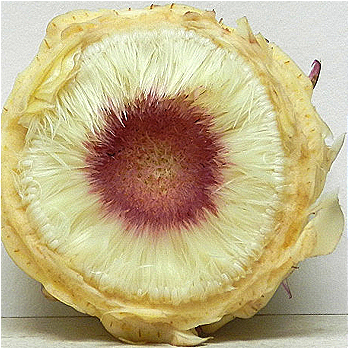
Artichoke hearts are the tender inner portion of the artichoke head (Cynara scolymus), consisting mainly of the fleshy base (heart) and the inner, soft bracts, with the fibrous “choke” removed.
They have a delicate, slightly sweet–bitter, aromatic flavour and a tender, fleshy texture.
Commercially, artichoke hearts are available fresh, frozen, canned in brine, or marinated in oil or vinegar, and are widely used as a premium vegetable ingredient in salads, pizzas, antipasti, ready meals and gourmet products.
Indicative nutritional values per 100 g
(cooked artichoke hearts, drained, edible portion – values indicative)
Energy: 45–60 kcal
Carbohydrates: 8–12 g
sugars: 0.5–1.5 g
Fibre: 3–5 g
Protein: 2.5–3.5 g
Lipids: 0.2–0.6 g
SFA (first occurrence – saturated fatty acids): <0.1–0.2 g (excess SFA intake is associated with increased cardiovascular risk, but contribution from plain artichoke hearts is minimal)
MUFA: traces
PUFA: traces
TFA: not naturally present
Vitamins: folate, vitamin C, vitamin K; small amounts of B1, B3, B6
Minerals: potassium, magnesium, phosphorus; small amounts of calcium and iron
Marinated or oil-packed hearts will have a higher energy and fat content due to added oil.
Key constituents
Dietary fibre, including inulin (prebiotic-type fibre)
Phenolic compounds: cynarin, chlorogenic acid, caffeic acid
Flavonoids: luteolin, apigenin derivatives
Minerals: potassium, magnesium, phosphorus
Vitamins: folate, vitamin C, vitamin K, B-group vitamins
Trace carotenoids and other minor antioxidants
Production process
(industrial artichoke hearts – canned, marinated, frozen)
Cultivation and harvest
Artichokes harvested at the immature head stage.
Selection of heads with suitable size and compact structure.
Trimming and preparation
Removal of outer tough bracts and most of the stem.
Removal of the fibrous choke.
Shaping and trimming to obtain clean, uniform hearts.
Dipping in acidulated or antioxidant solution (e.g. citric/ascorbic acid) to limit browning.
Blanching
Short thermal treatment to inactivate enzymes, stabilise colour and texture.
Process route
Canned in brine: filling with brine (water, salt, acidifier), sealing, pasteurisation or sterilisation.
Marinated / in oil: pre-cooking and acidification, addition of oil, herbs and spices, pasteurisation.
Frozen: blanching, cooling, IQF freezing, packing.
Packaging and storage
Use of suitable containers and barriers to protect from oxygen, light and contamination.
All steps carried out under GMP/HACCP.
Physical properties
Appearance: small to medium-size heart-shaped pieces or halves; uniform, trimmed vegetable units.
Colour: pale green to yellowish, sometimes slightly grey–green; may darken if not properly acidified.
Texture: tender, fleshy, slightly fibrous; should remain intact after cooking or reheating.
Moisture: high (typically >80% for drained hearts prior to marination).
Sensory and technological properties
Flavour: delicate, mildly bitter, slightly sweet, characteristic artichoke aroma.
Aroma: green, herbal, slightly earthy.
Technological behaviour:
retains shape reasonably well in thermal processes (baking, reheating),
absorbs flavours from oils, herbs and marinades,
contributes body, texture and visual appeal to mixed dishes,
suitable for pulping into purées and spreads without excessive stringiness when properly trimmed.
Food applications
Antipasti and appetizers: marinated artichoke hearts in oil or vinaigrette, antipasto platters.
Pizza and bakery: toppings for pizza, focaccia and savoury tarts.
Ready meals and gastronomy: pasta dishes, risottos, vegetable mixes, gratins, quiches.
Salads and cold dishes: mixed salads, grain bowls, deli salads.
Spreads and sauces: artichoke dips, pâtés, hummus-style spreads, cream sauces.
Soup and purees: creamy soups and vegetable purées for foodservice and industry.
Nutrition & health
Artichoke hearts are low in energy and fat, while providing dietary fibre, including inulin, which has prebiotic properties when consumed as part of a varied diet.
They contribute folate, potassium and vitamin K, supporting a balanced nutrient intake.
The phenolic compounds present have antioxidant activity and impart characteristic bitter notes.
Suitable for plant-based and low-fat diets, especially when prepared without excessive added oil or salt.
Inulin and other fermentable fibres may induce bloating or discomfort in individuals sensitive to FODMAPs.
Portion note
Typical serving size of artichoke hearts as a vegetable side or ingredient:
60–100 g drained weight for plain hearts (canned/frozen).
40–60 g for marinated/oil-packed hearts due to higher energy density.
Allergens & intolerances
Artichoke is not a major allergen, but may cause reactions in individuals allergic to plants of the Asteraceae family.
FODMAP-sensitive or IBS-prone consumers may react to inulin and other fermentable carbohydrates.
Processed products may contain additional allergens (e.g. sulphites as antioxidants, milk, soy or gluten in composite recipes); always check product specifications.
Storage & shelf-life
Canned artichoke hearts (unopened): typically 2–3 years when stored in a cool, dry place.
Marinated / oil-packed hearts (unopened): usually 12–24 months, depending on process and packaging.
Frozen hearts: about 12–24 months at –18 °C.
After opening:
canned hearts: 2–3 days refrigerated in a non-metallic container, covered with brine or water;
oil-packed hearts: generally 3–7 days refrigerated, ensuring they remain submerged in oil.
Safety & regulatory
Key control points:
pesticide residues in raw artichokes,
heavy metals depending on soil and irrigation,
microbiological safety (especially in low-acid oil-packed products),
adequate acidification (pH) and heat treatment to prevent growth of pathogens such as Clostridium botulinum in preserved products.
Production must follow GMP/HACCP with validated processes for thermal treatment and acidification.
Labeling
Typical ingredient names:
“artichoke hearts”,
“artichoke hearts in brine”,
“marinated artichoke hearts”,
“artichoke hearts in oil”.
The label must list:
artichoke hearts, water/brine, salt, acidifying agents (e.g. citric acid), possible antioxidants, oils, herbs/spices and any allergens.
Ingredients must be declared in descending order of weight.
Storage instructions (e.g. “refrigerate after opening” and “consume within X days”) are usually required.
Troubleshooting
Excessive browning or grey colour:
insufficient acidification or delayed processing → optimise anti-browning treatment and minimise oxygen exposure.
Overly soft or mushy texture:
overcooking or over-sterilisation → adjust blanching and retort conditions.
Tough or fibrous hearts:
use of over-mature raw material or poor trimming → select younger heads and improve trimming of outer fibrous tissues.
Rancid or off-flavours in oil-packed hearts:
oil oxidation or poor storage → improve oil quality, packaging barrier and storage conditions.
Sustainability & supply chain
Environmental aspects linked to artichoke cultivation include water use, plant protection product use, and management of plant residues (leaves, stems).
By-products from trimming can be valorised as animal feed, compost or inputs for bioenergy and extract production.
Processing plants must manage washing water and process effluents, typically monitored through BOD/COD indicators.
Use of local sourcing, integrated pest management and optimised irrigation can improve overall sustainability.
Main INCI functions (cosmetics)
(when derived extracts are used, e.g. “Cynara Scolymus Extract”, “Cynara Scolymus Leaf Extract”)
Antioxidant
Skin conditioning
Mild astringent
Purifying action for combination or oily skin
Artichoke heart–specific extracts are less common than leaf extracts, but share similar functional profiles.
Conclusion
Artichoke hearts are a high-value vegetable ingredient offering a refined flavour, attractive appearance and pleasant texture in a wide range of culinary applications.
Thanks to their low energy density, fibre content and functional phenolic profile, they are suitable for modern, health-oriented formulations as well as traditional Mediterranean-style dishes.
When sourced from controlled supply chains and processed under GMP/HACCP, artichoke hearts provide a safe, stable and high-quality ingredient for retail, foodservice and industrial food production.
Mini-glossary
SFA – Saturated fatty acids: dietary fats that should be moderated; naturally present only in very small amounts in artichoke hearts.
MUFA – Monounsaturated fatty acids: generally neutral-to-beneficial fats; present only in traces here.
PUFA – Polyunsaturated fatty acids: essential fats more prone to oxidation; also present only in traces in artichoke hearts.
TFA – Trans fatty acids: associated with negative health effects when industrially produced; not naturally present in artichokes.
GMP/HACCP – Good Manufacturing Practices / Hazard Analysis and Critical Control Points, systems that ensure hygiene, safety and quality in food production.
BOD/COD – Biological / Chemical Oxygen Demand, indicators used to assess the pollution load of processing wastewater.
Inulin – A fermentable, prebiotic fibre typical of Asteraceae that supports gut microbiota when consumed within a balanced diet.
Studies
Its predominant use is culinary, but it is widely used in the medical field. In fact, phytonutrients are extracted from its leaves and roots:
- stimulate bile flow from the liver (1)
- reduce heartburn
- counter-cholesterol harmful LDL (2)
- counteract colon irritability
- reduce bladder infections
- reduce nausea
Its polyphenol content, exerts an antioxidant activity (3) and also chlorogenic acid, luteolin, apigenine, cinary, coffee acid derivatives, flavonoids (4) and polyphenols help improve the integrity and functionality of endothelial cells.

