

Ciao, Visitatore!


🔍
RECENSIONE

Recensione

Al222
Al222 (25707 pt) 26-Nov-2025 12:26

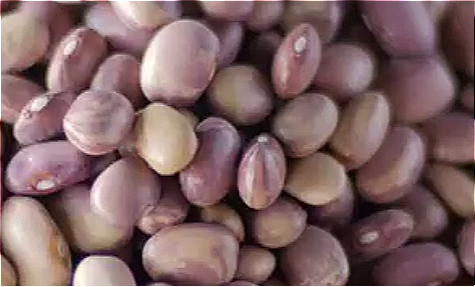
Fagioli pinto (Phaseolus vulgaris)

Descrizione

  • Semi essiccati di leguminosa con tegumento beige marezzato da striature/maculature bruno-rossastre; in cottura virano al rosato e diventano cremosi.

  • Profilo sensoriale: gusto dolce-terroso e nocciolato, polpa molto cremosa, tenuta da media a buona (ottimi per purè/refried beans).
Nome comune: Fagiolo pinto
Regno: Plantae
Clado: Angiosperme
Clado: Eudicotiledoni
Ordine: Fabales
Famiglia: Fabaceae
Genere: Phaseolus
Specie: Phaseolus vulgaris L.
Nota: i fagioli pinto sono cultivar di Phaseolus vulgaris con semi di colore crema–beige maculati di marrone, molto usati nella cucina messicana e sud-americana (es. refried beans).


Coltivazione e condizioni di crescita

  • Clima:

    • Predilige climi temperato–caldi.

    • È sensibile al freddo: teme gelate tardive e temperature basse alla germinazione.

    • Si coltiva generalmente come coltura primaverile–estiva, quando il terreno è ben riscaldato.

  • Esposizione:

    • Richiede pieno sole per garantire una buona crescita vegetativa, fioritura e allegagione dei baccelli.

  • Terreno:

    • Preferisce suoli di medio impasto, ben drenati, profondi e con buona dotazione di sostanza organica.

    • Gradisce pH da leggermente acido a neutro.

    • Mal sopporta i ristagni idrici, che favoriscono marciumi radicali e malattie fungine.

  • Irrigazione:

    • Necessita di una disponibilità idrica regolare, soprattutto durante fioritura e riempimento dei semi.

    • È importante evitare forti alternanze tra siccità e eccesso d’acqua, che possono causare spaccature dei baccelli e aumentare i problemi fitosanitari.

  • Temperatura:

    • Germinazione ottimale con temperatura del suolo intorno a 15–20 °C.

    • Crescita ottimale indicativa tra 18 e 28 °C.

    • Temperature troppo elevate associate a siccità nel periodo di fioritura possono ridurre l’allegagione e la resa.

  • Concimazione:

    • In quanto leguminosa, grazie ai rizobi, può fissare l’azoto atmosferico; in genere non richiede elevati apporti di azoto minerale.

    • Sono più importanti fosforo, potassio e microelementi per sostenere fioritura, allegagione e ingrossamento dei semi.

    • È utile incorporare compost o letame ben maturo prima della semina.

  • Cure colturali:

    • Controllo delle infestanti nelle prime fasi di crescita, quando le piantine sono poco competitive.

    • Nelle varietà rampicanti o semi rampicanti sono necessari tutori (cannucce, reti, fili); le varietà nane non richiedono sostegni.

    • Evitare compattamento del terreno, che limita lo sviluppo dell’apparato radicale.

  • Rotazione colturale:

    • Si inserisce molto bene in rotazione con cereali e altre colture non leguminose.

    • Contribuisce a migliorare la fertilità del suolo grazie alla fissazione di azoto e ai residui colturali.

  • Moltiplicazione:

    • Tramite seme, con semina diretta in campo dopo il rischio di gelate, quando il terreno ha raggiunto una temperatura adeguata.

Valore calorico (per 100 g di prodotto)

  • Secchi (tal quali): ~335–360 kcal.

  • Cotti in acqua, senza sale: ~135–150 kcal, proteine 8–9,5 g, carboidrati 24–27 g (di cui fibre 7–9 g), grassi 0,5–1,0 g.

  • In scatola (sgocciolati): simili ai cotti; sodio variabile (risciacquoNa).

Principali sostanze contenute

  • Carboidrati complessi (amido; quota di amido resistente che ↑ dopo raffreddamento).

  • Proteine ~20–23% s.s. (globuline faseolina/legumina; amminoacidi solforati limitanti → complementare con cereali).

  • Fibre solubili/insolubili (pectine, emicellulose).

  • Oligosaccaridi (raffinosio, stachiosio; FODMAP).

  • Fitocomposti: polifenoli (proantocianidine, acidi fenolici) e fitati; minerali (potassio, magnesio, ferro, fosforo) e vitamine (folati, tiamina).

Processo di produzione

  • Selezione, pulizia, calibratura e essiccazione del seme → confezionamento barriera per il secco.

  • Pronti al consumo: ammollo (o idratazione rapida), bollitura/pentola a pressione fino a tenerezza; per il conservato: salamoia, riempimento, sterilizzazione a retorta.

  • Sfarinati/semilavorati: molitura (anche criogenica) e trattamenti termici per inattivare inibitori.

Proprietà sensoriali e tecnologiche

  • Elevata pureabilità (creme, refried); in cottura rilasciano corpo/viscosità a zuppe e salse.

  • Raffreddamento post-cottura → ↑ RS3 (amido resistente da retrogradazione) con struttura leggermente più compatta.

  • Il colore del tegumento tende a scolorire in cottura, con lieve tingitura del liquido.

Impieghi alimentari

  • Cucina messicana/south-western: frijoles de la olla, refried beans, burritos/tacos, chili.

  • Zuppe/stufati/insalate tiepide, rice & beans, purè/spread; burger vegetali e ripieni.

  • Farina per pasta/snak estrusi a maggiore proteina/fibra.

Nutrizione e salute

  • Fibre elevate: supportano sazietà e transito; folati e minerali di rilievo.

  • Indice glicemico basso-moderato, ulteriormente attenuato da raffreddamento (↑ RS3) e consumo con grassi/proteine.

  • Antinutrienti (fitati, lectine, inibitori enzimatici): ammollo + cottura (meglio pressione) e fermentazione/germogliazione ne ridimensionano l’effetto, migliorando la biodisponibilità minerale.

  • FODMAP: gli oligosaccaridi possono dare gonfiore; eliminare acqua di ammollo e risciacquare i conservati.

Profilo dei grassi

  • Tenore lipidico basso; la piccola frazione residua contiene soprattutto PUFA (grassi polinsaturi, es. linoleico n-6: potenzialmente benefici se bilanciati ma più ossidabili) e MUFA (grassi monoinsaturi, es. oleico n-9: spesso neutri/favorevoli), con minima SFA (grassi saturi; da moderare nella dieta complessiva). TFA trascurabili; MCT non significativi.

Qualità e specifiche (temi tipici)

  • Secco: umidità14–16%, assenza di parassiti, uniformità di calibro, basse rotture/impurità.

  • Conservato: peso sgocciolato in specifica, consistenza uniforme (evitare overcook), sodio dichiarato; opzionale CaCl₂ come agente di fermezza.

  • Microbiologia: conforme per categoria (nei conservati: sterilità commerciale; patogeni assenti/25 g).

  • Residui: pesticidi/metalli entro limiti; assenza di corpi estranei.

Conservazione e shelf-life

  • Secchi: luogo fresco/asciutto, buio; evitare T/UR elevate (fenomeno hard-to-cook).

  • Cotti/refrigerati: ≤4 °C, 3–4 giorni; congelabili dopo cottura e sgocciolamento.

Allergeni e sicurezza

  • Glutine: assenti naturalmente; verificare cross-contact in impianto.

  • Lectine: come per altri Phaseolus, richiedono ebollizione adeguata; evitare cotture insufficienti e slow-cooker a bassa T senza pre-ebollizione.

  • Possibili cross-reattività in soggetti allergici a soia/arachide.

Funzioni INCI in cosmesi

  • Voci possibili: Phaseolus Vulgaris (Bean) Extract / Seed Extract / Seed Flour.

  • Ruoli: skin conditioning, antioxidant, assorbente/texturizer in applicazioni specifiche (uso limitato; verificare sicurezza/claim).

Troubleshooting

  • Cottura interminabile/texture dura: lotto vecchio/HTCammollo 8–12 h (anche salato leggero), cottura in pressione; piccola quota di bicarbonato 0,1–0,2% può aiutare.

  • Bucce che si staccano: shock termici/alcalinità → mantenere bollore dolce, salare durante o dopo; CaCl₂ minimo per compattezza.

  • Gonfiore/meteorismo: eliminare acqua di ammollo, risciacquare bene, introdurre la porzione gradualmente; erbe carminative (alloro, finocchio).

  • Sapore piatto: bilanciare con sale, acidità (lime/aceto) e grassi buoni (olio d’oliva).

Sostenibilità e filiera

  • Leguminosa fissatrice di azoto: riduce l’uso di fertilizzanti di sintesi; impronta GHG inferiore alle proteine animali.

  • Migliorare con rotazioni colturali, uso efficiente di acqua/energia in ammollo/cottura, gestione reflui verso target BOD/COD; pack riciclabili; tracciabilità sotto GMP/HACCP.

Etichettatura

  • Denominazioni: “fagioli pinto”/“pinto beans” (non confondere con i borlotti/cranberry beans, varietà correlate ma distinte).

  • Per il conservato: indicare peso sgocciolato, sale ed eventuale CaCl₂. Possibili claim (es. fonte di fibre) se conformi ai tenori.

Conclusione

I fagioli pinto uniscono cremosità, versatilità e valore nutrizionale (fibre, proteine, folati), risultando ideali per zuppe, stufati, refried e ripieni. Una preparazione corretta (ammollo, ebollizione adeguata/pressione) massimizza sicurezza, digestione e gradimento.

Mini-glossario

  • GIIndice glicemico: misura la risposta glicemica; si riduce con fibre, grassi e raffreddamento (↑ RS3).

  • RS3Amido resistente da retrogradazione: frazione meno digeribile che attenua il picco glicemico.

  • FODMAPOligo-/di-/mono-saccaridi e polioli fermentabili: possono causare gonfiore; ammollo/risciacquo li riduce.

  • SFAGrassi saturi: quota bassa nei pinto; da moderare nella dieta complessiva.

  • MUFAGrassi monoinsaturi (es. oleico n-9): spesso neutri/favorevoli.

  • PUFAGrassi polinsaturi (es. linoleico n-6): benefici se bilanciati; più suscettibili all’ossidazione.

  • GMP/HACCPGood manufacturing practice / hazard analysis and critical control points: sistemi igienico-preventivi con CCP convalidati.

  • BOD/CODDomanda biochimica/chimica di ossigeno: indicatori dell’impatto dei reflui lungo la filiera.

Bibliografia__________________________________________________________________________

Xu B, Chang SK. Total Phenolic, Phenolic Acid, Anthocyanin, Flavan-3-ol, and Flavonol Profiles and Antioxidant Properties of Pinto and Black Beans ( Phaseolus vulgaris L.) as Affected by Thermal Processing. J Agric Food Chem. 2009 Jun 10;57(11):4754-4764. doi: 10.1021/jf900695s. 

Abstract. The effects of boiling and steaming processes at atmospheric and high pressures on the phenolic components and antioxidant properties of pinto and black beans were investigated. In comparison to the original raw beans, all processing methods caused significant (p < 0.05) decreases in total phenolic content (TPC), total flavonoid content (TFC), condensed tannin content (CTC), monomeric anthocyanin content (MAC), DPPH free-radical scavenging activity (DPPH), ferric-reducing antioxidant power (FRAP), and oxygen radical absorbing capacity (ORAC) values in both pinto and black beans. Steaming processing resulted in a greater retention of TPC, DPPH, FRAP, and ORAC values than the boiling processes in both pinto and black beans. To further investigate how thermal processing affected phenolic compositions and to elucidate the contribution of individual phenolic compounds to antioxidant properties, phenolic acids, anthocyanins, flavan-3-ols, and flavonols were quantitatively analyzed by high-performance liquid chromatography (HPLC). All thermal processing significantly (p < 0.05) affected individual phenolic acids, anthocyanins, flavan-3-ols, and flavonols, significantly (p < 0.05) reduced total phenolic acid contents in both pinto and black beans and total flavonol contents in pinto beans, and dramatically reduced anthocyanin contents in black beans. Phenolic acids and flavonols may play important roles on the overall antioxidant activities of pinto beans, while anthocyanins, flavan-3-ols, and flavonols may play important roles on the overall antioxidant activities of black beans.

Winham DM, Hutchins AM, Johnston CS. Pinto bean consumption reduces biomarkers for heart disease risk. J Am Coll Nutr. 2007 Jun;26(3):243-9. doi: 10.1080/07315724.2007.10719607. 

Abstract. Objective: To determine effects of daily intake of 1/2 cup pinto beans, black-eyed peas or carrots (placebo) on risk factors for coronary heart disease (CHD) and diabetes mellitus (DM) in free-living, mildly insulin resistant adults over an 8 week period. Methods: Randomized, crossover 3x3 block design. Sixteen participants (7 men, 9 women) received each treatment for eight-weeks with two-week washouts. Fasting blood samples collected at beginning and end of periods were analyzed for total cholesterol (TC), low density lipoprotein cholesterol (LDL-C), high density lipoprotein cholesterol, triacylglycerols, high-sensitivity C-reactive protein, insulin, glucose, and hemoglobin A1c. Results: A significant treatment-by-time effect impacted serum TC (p = 0.026) and LDL (p = 0.033) after eight weeks. Paired t-tests indicated that pinto beans were responsible for this effect (p = 0.003; p = 0.008). Mean change of serum TC for pinto bean, black-eyed pea and placebo were -19 +/- 5, 2.5 +/- 6, and 1 +/- 5 mg/dL, respectively (p = 0.011). Mean change of serum LDL-C for pinto bean, black-eyed pea and placebo were -14 +/- 4, 4 +/- 5, and 1 +/- 4 mg/dL, in that order (p = 0.013). Pinto beans differed significantly from placebo (p = 0.021). No significant differences were seen with other blood concentrations across the 3 treatment periods.

Saari JT, Reeves PG, Johnson WT, Johnson LK. Pinto beans are a source of highly bioavailable copper in rats. J Nutr. 2006 Dec;136(12):2999-3004. doi: 10.1093/jn/136.12.2999. 

Abstract. The trace element copper (Cu) is a required nutrient in the diets of humans. It has been found in animal studies to be essential for efficient iron absorption and oxygen utilization and for aiding free-radical degradation. Dry beans (Phaseolis vulgaris) are potentially good sources of Cu; thus, the objective of this study was to determine the bioavailability of Cu from dry beans using the pinto bean as the source. Dry beans were obtained from a local market, cooked according to package directions, and dried. Weanling male Sprague-Dawley rats (8 groups of 8 rats each) were fed a Cu-deficient diet (AIN-93G) for 4 wk followed by 2 wk of Cu repletion with diets containing 0-6.5 mg Cu/kg diet added as CuSO(4) or with 0.6 and 1.5 mg Cu/kg incorporated into rat diets as pinto beans at 10 and 20%. Standard response curves were developed based on repletion-induced recovery of 10 indices of Cu status, including organ Cu concentrations and Cu-dependent enzyme activities, in response to increasing dietary Cu as CuSO(4). Recovery of these variables in rats fed the pinto bean diets was compared with the standard response curve at similar levels of dietary Cu. Based on the recovery of all 10 variables, the relative bioavailability of Cu from dry beans was at least 100% of that with the highly available CuSO(4). For 3 of the variables, liver and heart Cu concentrations and serum superoxide dismutase 3 activity, estimated bioavailability values of Cu from beans were 138, 140, and 134%, respectively, of those from CuSO(4). We conclude that the dry pinto bean is a good source of dietary Cu with respect to both concentration and bioavailability.

Reddy MB, Chidambaram MV, Fonseca J, Bates GW. Potential role of in vitro iron bioavailability studies in combatting iron deficiency: a study of the effects of phosvitin on iron mobilization from pinto beans. Clin Physiol Biochem. 1986;4(1):78-86. 

Abstract. Iron deficiency and iron overload affect one billion people worldwide. Treatment of iron malnutrition can be enhanced by an understanding of iron bioavailability from the diet. We have focused on the development of in vitro methods for determining iron bioavailability in the hopes of providing both an understanding of the chemical basis leading to the inhibition or enhancement of iron absorption and the provision of methodologies which will allow nutritionists around the world to ascertain iron bioavailability of local foods and food combinations. The study reported here focuses on the effects of phosvitin, a suspected inhibitor of iron absorption found in egg yolks, on the chemistry of iron during the in vitro enzymatic digestion of pinto beans. Three basic types of information were obtained. First, the total soluble iron was determined during in vitro enzymatic digestion under simulated oral, gastric (pH 2) and duodenal (pH 6) conditions. Phosvitin was found to have a strong solubilizing effect at pH 6 and pH 2 when in the presence of ascorbate. Pyrophosphate also leads to high iron mobilization. A second approach is to determine the static Fe2+ and Fe3+ concentrations following in vitro enzymatic digestion of pinto beans at pH 2 and pH 6. Ascorbic acid enhanced the total soluble iron at both pH values, however, only at pH 2 was a large proportion of the iron found in the Fe2+ state and then only in the presence of phosvitin but not pyrophosphate. A third approach is to determine the amount of Fe2+ formed in the digestive supernatant during a 10-min incubation with ferrozine

Simons CW, Hunt-Schmidt E, Simsek S, Hall C, Biswas A. Texturized pinto bean protein fortification in straight dough bread formulation. Plant Foods Hum Nutr. 2014 Sep;69(3):235-40. doi: 10.1007/s11130-014-0421-1.

Abstract. Pinto beans were milled and then air-classified to obtain a raw high protein fraction (RHPF) followed by extrusion to texturize the protein fraction. The texturized high protein fraction (THPF) was then milled to obtain flour, and combined with wheat flour at 5, 10, and 15% levels to make bread. The air-classification process produced flour with high concentration of lipids and phytic acid in the protein-rich fraction. However, extrusion significantly reduced hexane extractable lipid and phytic acid. However, the reduction observed may simply indicate a reduction in recovery due to bind with other components. Total protein and lysine contents in composite flours increased significantly as THPF levels increased in composite flour. Bread made with 5% THPF had 48% more lysine than the 100 % wheat flour (control). The THPF helped to maintain dough strength by reducing mixing tolerance index (MTI), maintaining dough stability and increasing departure time on Farinograph. Bread loaf volume was significantly reduced above 5% THPF addition. THPF increased water absorption causing an increase in bread weights by up to 6%. Overall, loaf quality deteriorated at 10 and 15% THPF levels while bread with 5% THPF was not significantly different from the control. These results support the addition of 5% THPF as a means to enhance lysine content of white pan bread.