



Jujube, Ziziphus jujuba (Ziziphus jujuba Mill.)
Botanical description
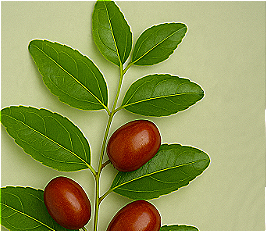
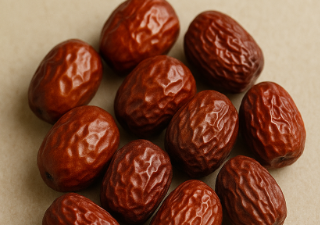
Ziziphus jujuba, commonly known as jujube or Chinese date, is a small to medium-sized deciduous tree or shrub, generally 4–8 m in height, with an irregular to rounded crown and branches often bearing spines. Leaves are ovate, with a finely serrated margin and three prominent veins arising from the base, glossy and dark green on the upper surface. Flowers are small (around 4–5 mm), yellowish-green, inconspicuous but produced in large numbers in the leaf axils. The fruit is an oval drupe (the jujube), initially green with a crisp, apple-like texture and sweet to sweet-acid taste; at full maturity it turns reddish-brown to dark brown, and upon drying becomes wrinkled, with a texture reminiscent of a small date.
Distribution, ecology and cultivation aspects
Jujube is native to Central and Eastern Asia, but has been cultivated for centuries across wide areas with warm temperate, subtropical and Mediterranean climates. It is a light-demanding species, requiring full sun to achieve good fruit quality. It tolerates a relatively broad range of soils, from light sandy to medium loam, including moderately calcareous substrates, provided they are well drained. The species withstands poor, nutrient-limited soils with pH values from slightly acidic to clearly alkaline, but is sensitive to prolonged waterlogging, which favours root problems and reduces longevity. Once established, jujube shows good drought resistance and reasonable tolerance to winter cold in the dormant phase, whereas late frosts may damage flowers and young fruits.
Yield and fruit quality are influenced by cultivar, seasonal climate (temperatures during flowering and fruit enlargement), water availability, crop load and orchard management (pruning, soil management, supplementary irrigation where used).
Fruit composition and nutritional profile
Fresh jujube fruits are characterised by a high water content and a substantial fraction of carbohydrates, mainly glucose and fructose. Sugar concentration and soluble solids (°Brix) increase with ripening and further with drying. Dietary fibre is moderate in the fresh fruit but becomes significant in the dried product. The fruit can contain high levels of vitamin C, often exceeding those of many common fruits, together with B-group vitamins and a fraction of free amino acids.
With regard to minerals, jujube is particularly rich in potassium, and also provides phosphorus, calcium, magnesium and traces of other elements. The phenolic fraction comprises polyphenols, flavonoids, flavones and proanthocyanidins, associated with marked antioxidant activity. In addition, saponins, triterpenes, triterpenic acids and other secondary metabolites (including various phenolic and bioactive polysaccharide structures) have been described, contributing to the functional profile of the fruit. The exact composition and levels of these constituents depend on genotype, geographical origin, agronomic practices, ripening stage, and drying and storage conditions.
Food uses, processing and functional aspects
From a food perspective, fresh jujubes are eaten at the crisp, partially coloured stage, or fully ripe, and can be dried or semi-dried for direct consumption as a snack or as ingredients in different products. Dried fruits are used in herbal teas, decoctions, bakery products, desserts, mixed dried-fruit preparations and a wide range of traditional dishes, particularly in Asian and Mediterranean cuisines. The pulp can be processed into juices, purees, concentrates, jams and other intermediates, while skins, pulp residues and seeds constitute potential raw materials for extracting polyphenols, polysaccharides and other bioactive substances for functional ingredients.
In many traditional systems, jujube fruits are regarded as “food-medicine” items, i.e. foods with a long history of use in the daily diet and, at the same time, in herbal and traditional medical practices. Standardised extracts from fruits and seeds are being studied and, in some cases, used in dietary supplements and nutraceutical formulations, within the framework of safety and regulatory requirements.
Quality assessment and commercial requirements
The commercial quality of jujube fruit is assessed based on several parameters:
Fruit morphology: size, shape and lot uniformity.
External appearance: skin colour according to the intended ripening stage, gloss, absence of cracking, spots, injuries or decay.
Internal characteristics: flesh firmness, sugar/acid ratio, aroma, and absence of internal defects (browning, abnormal dehydration, insect damage).
Technological attributes: soluble solids content (°Brix), titratable acidity, pulp yield and behaviour during drying (ability to maintain colour, structure and stability).
For dried products, critical factors include the degree of dehydration, residual moisture content, the presence and type of any additives (e.g. antioxidants or anti-caking agents), oxidative stability and surface microbiology. In industrial processing, cultivar selection, harvest timing (target ripening stage, fruit integrity), drying parameters (temperature, duration, air flow) and storage and transport conditions are all crucial to preserving the nutritional, sensory and functional properties of the finished product.
 |  |
Classificazione botanica (sistema APG IV)
Nome comune: Giuggiolo
Nome botanico: Ziziphus jujuba Mill.
Regno: Plantae
Clade: Angiosperme → Eudicotiledoni → Rosidi
Ordine: Rosales
Famiglia: Rhamnaceae
Genere: Ziziphus
Specie: Ziziphus jujuba Mill.
Valori nutrizionali indicativi per 100 g (frutto fresco – giuggiole)
| Componente | Valore medio per 100 g circa |
|---|---|
| Energia | ~ 78–80 kcal |
| Carboidrati totali | ~ 20 g |
| — di cui zuccheri | ~ 10–12 g |
| Fibra alimentare | ~ 2–3 g |
| Proteine | ~ 1,0 g |
| Lipidi totali | ~ 0,2–0,4 g |
| — di cui acidi grassi saturi (SFA, prima occorrenza) | tracce |
| Sodio | molto basso |
| Potassio | ~ 250–300 mg |
| Calcio | ~ 20–25 mg |
| Fosforo | ~ 20–25 mg |
| Magnesio | ~ 10 mg |
| Ferro | ~ 0,5 mg |
| Vitamina C | ~ 65–70 mg (molto variabile con la maturazione) |
| Vitamina A (β-carotene) | presente in basse quantità |
| Vitamine del gruppo B | presenti in quantità ridotte |
Nota: i frutti secchi (giuggiole essiccate) presentano valori molto più concentrati, soprattutto per zuccheri e minerali, con energia che può superare 250–280 kcal/100 g.
Mini-glossario acronimi
SFA = Saturated Fatty Acids (acidi grassi saturi). Quando prevalgono rispetto agli insaturi nella dieta, sono considerati meno favorevoli per l’equilibrio cardiovascolare.
MUFA = MonoUnsaturated Fatty Acids (acidi grassi monoinsaturi). Generalmente più favorevoli dei saturi quando li sostituiscono.
PUFA = PolyUnsaturated Fatty Acids (acidi grassi polinsaturi). Comprendono omega-6 e omega-3, essenziali in piccole quantità e coinvolti nella struttura delle membrane cellulari e nella regolazione dei processi infiammatori.
Plant Characteristics
Ziziphus jujuba is a small to medium-sized tree with the following features:
- Height: Grows up to 5–12 meters in height, depending on the variety and growing conditions.
- Leaves: Oval, glossy green leaves with fine serrations, which turn yellow in autumn.
- Flowers: Small, yellow-green, and fragrant flowers bloom in clusters during late spring and early summer.
- Fruits: Round to oval drupes, ranging from 2–3 cm in diameter. The skin is smooth and turns from green to reddish-brown when ripe. The flesh is sweet, crisp when fresh, and becomes chewy and date-like when dried.
- Roots: Deep-rooted, making it drought-tolerant.
- Habitat: Thrives in warm, arid, or semi-arid climates, often grown in sandy, loamy, or well-drained soils.
Chemical Composition and Structure
The jujube fruit is rich in bioactive compounds, including:
- Flavonoids: Quercetin, rutin, and kaempferol, which contribute to its antioxidant properties.
- Polysaccharides: Found in the fruit pulp, beneficial for immune modulation and energy.
- Saponins: Particularly in the seeds, known for their calming and sedative effects.
- Vitamins: High in vitamin C, B vitamins, and small amounts of vitamin A.
- Minerals: Rich in potassium, magnesium, iron, and calcium.
- Phenolic Acids: Contributing to its anti-inflammatory and antimicrobial effects.
How to Cultivate Ziziphus jujuba
Cultivating Ziziphus jujuba requires attention to its environmental needs:
- Climate: Thrives in warm, sunny climates with minimal frost. It can tolerate temperatures as low as -15°C during dormancy.
- Soil Requirements: Prefers well-drained, sandy, or loamy soils with a slightly alkaline to neutral pH. It is drought-tolerant but performs best with occasional irrigation.
- Propagation: Propagated by seeds, root cuttings, or grafting. Grafted plants tend to produce better fruit quality.
- Watering and Maintenance: Requires moderate watering during the growing season. Mature trees are drought-tolerant. Pruning is recommended in late winter to shape the tree and remove dead branches.
- Harvesting: Fruits are harvested when fully ripe, typically in late summer or early autumn. They can be eaten fresh, dried, or processed.
Uses and Benefits
The jujube tree offers a variety of uses, ranging from culinary to medicinal:
Culinary Uses:
- Fresh Fruit: Eaten as a snack for its sweet and crisp taste.
- Dried Fruit: Often used in teas, soups, desserts, and as a natural sweetener.
- Juices and Jams: Processed into beverages, jams, and candies.
Medicinal Benefits:
- Calming Effects: Used in traditional medicine as a natural sedative to treat anxiety, insomnia, and stress.
- Immune Support: Rich in vitamin C and polysaccharides, which boost immune function.
- Digestive Aid: The fruit is known for its mild laxative properties and its ability to soothe the stomach.
- Anti-inflammatory: The fruit and seeds contain compounds that reduce inflammation and oxidative stress.
- Blood Circulation: Its high iron content supports red blood cell production.
Ornamental Uses:
- Often planted in gardens and parks for its attractive foliage and fragrant flowers.
Applications
Medical:
- Commonly used in traditional Chinese medicine for tonifying the spleen, calming the mind, and nourishing the blood.
- Prepared as herbal teas, tinctures, or powders for treating insomnia, stress, and fatigue.
Cosmetic:
- Extracts of jujube are included in skincare products for their antioxidant and moisturizing properties.
- The seed oil is used in hair care for nourishing and strengthening hair.
Culinary:
- Widely used in Asian and Middle Eastern cuisines in desserts, teas, and syrups.
- Fermented into wine or vinegar in some cultures.
Environmental and Safety Considerations
Ziziphus jujuba is an environmentally friendly plant due to its low water requirements and ability to thrive in poor soils. However:
- Environmental Benefits: Helps prevent soil erosion and provides food for pollinators such as bees.
- Safety: The fruit is generally safe for consumption. However, excessive consumption may cause mild digestive discomfort in some individuals.
- Conservation: In certain areas, sustainable cultivation practices are encouraged to preserve traditional varieties and prevent overharvesting in the wild.

