



Soymilk Isoflavones are isoflavones derived from soymilk, obtained from the processing of Glycine max (soybean) seeds. These phytochemical compounds are known for their skin-conditioning and antioxidant properties and are primarily used in cosmetics to improve skin elasticity, protect the skin from oxidative damage, and reduce signs of aging. Due to their estrogen-like structure, Soymilk Isoflavones provide particular benefits for mature and sensitive skin.
Chemical Composition and Structure
Soymilk Isoflavones contain genistein and daidzein, two primary isoflavones derived from soy. These phytochemical compounds act as phytoestrogens, binding to estrogen receptors in the skin. Genistein is known for its antioxidant properties, protecting the skin from free radical damage, while daidzein helps improve skin tone and elasticity.
Physical Properties
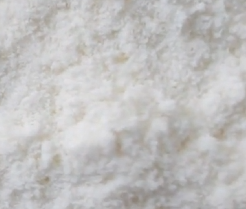
Soymilk Isoflavones are available in liquid extract or powder form, typically white or light yellow in color. They are water-soluble and easily incorporated into cosmetic formulations such as creams, lotions, and serums due to their anti-aging and skin-conditioning efficacy. Their chemical stability makes them suitable for a wide range of skincare products.
Production Process
Soymilk Isoflavones are extracted from soymilk, which is produced by macerating and pressing Glycine max seeds. The soymilk is then processed to isolate the isoflavonic compounds, such as genistein and daidzein. The extract is purified and concentrated for use in cosmetic formulations.
Applications
Medical: Although primarily used in cosmetics, Soymilk Isoflavones can also be used in supplements to support hormonal health and manage menopausal symptoms such as hot flashes.
Cosmetics: Soymilk Isoflavones are valued in skincare products for their skin-conditioning and regenerative properties. They enhance collagen production, improving skin elasticity and reducing visible signs of aging such as wrinkles and fine lines. They are ideal for anti-aging, moisturizing, and regenerative formulations.
INCI Functions:
Antioxidant agent. Ingredient that counteracts oxidative stress and prevents cell damage. Free radicals, pathological inflammatory processes, reactive nitrogen species and reactive oxygen species are responsible for the ageing process and many diseases caused by oxidation.
Humectant. Hygroscopic compound used to minimise water loss in the skin and to prevent it from drying out by facilitating faster and greater absorption of water into the stratum corneum of the epidermis. The epidermis is the most superficial of the three layers that make up human skin (epidermis, dermis and hypodermis) and is the layer that maintains hydration in all three layers. In turn, the epidermis is composed of five layers: horny, the most superficial, granular, spinous, shiny, and basal. Humectants have the ability to retain the water they attract from the air in the stratum corneum and have the function of moisturising the skin. They are best used before emollients, which are oil-based.
Skin conditioning agent. It is the mainstay of topical skin treatment as it has the function of restoring, increasing or improving skin tolerance to external factors, including melanocyte tolerance. The most important function of the conditioning agent is to prevent skin dehydration, but the subject is rather complex and involves emollients and humectants that can be added in the formulation.
Food: While Soymilk Isoflavones are primarily used in cosmetics, they may also be found in some dietary supplements for their skin and hormonal health benefits.
Industry: In the cosmetic industry, Soymilk Isoflavones are used as active ingredients in anti-aging products, serums, and creams for mature skin, thanks to their antioxidant and skin-conditioning properties.
Environmental and Safety Considerations
Soymilk Isoflavones are considered safe for cosmetic use. However, like all phytoestrogens, excessive use may interfere with hormonal balance. Sustainable soybean cultivation is essential to reduce environmental impact and preserve biodiversity.
For further information and studies:

