Cynanchum Atratum Water is an ingredient derived from the Cynanchum atratum plant. Rich in bioactive compounds, including flavonoids, glycosides, and saponins, Cynanchum Atratum Water is primarily used for its soothing, antioxidant, and anti-inflammatory properties. It is especially suitable for sensitive or irritated skin, helping to calm and hydrate the skin while protecting it from oxidative damage.
Chemical Composition and Structure
Cynanchum Atratum Water contains compounds which are known for their antioxidant and soothing properties. These compounds help reduce inflammation and protect the skin from environmental damage, promoting healthy, radiant skin.
Physical Properties
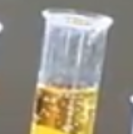
Cynanchum Atratum Water appears as a clear, water-soluble liquid, either colorless or slightly yellow. With its light texture, it is easily incorporated into serums, toners, lotions, and moisturizers, providing a calming and hydrating effect on the skin.
Production Process
Cynanchum Atratum Water is produced through distillation or water-based extraction from parts of the plant. This process ensures that the bioactive compounds are preserved, making the water effective in cosmetic applications for skin care.
Harvesting the Plant: Parts of the Cynanchum atratum plant are harvested when mature. It is essential to follow sustainable harvesting practices to ensure the quality of the plant material.
Cleaning: After harvesting, the plant parts are cleaned to remove dirt, residues, and impurities. This step is crucial to ensure that the final water is of high quality.
Extraction: The cleaned plant parts undergo an extraction process where they are immersed in hot or cold water for a specified period. During this process, the bioactive compounds, vitamins, and minerals are transferred from the plant to the water.
Filtration: Once the extraction process is complete, the mixture is filtered to remove solids and residues, resulting in clear water rich in nutrients.
Quality Control and Packaging: Finally, Cynanchum atratum water undergoes quality control checks to verify its purity, efficacy, and compliance with standards. After analysis, it is packaged in bottles or appropriate containers for distribution and use in cosmetic and food products.
Applications
Soothing Products: Cynanchum Atratum Water is widely used in products for sensitive skin due to its ability to reduce inflammation and soothe irritated skin.
Antioxidant Products: The presence of antioxidants protects the skin from free radicals and environmental damage, helping to prevent premature aging.
Hydration and Toning: Cynanchum Atratum Water is often used in toners and lotions to hydrate the skin and improve its texture, providing a fresh and soft feeling.
INCI Functions:
Skin conditioning agent. It is the mainstay of topical skin treatment as it has the function of restoring, increasing or improving skin tolerance to external factors, including melanocyte tolerance. The most important function of the conditioning agent is to prevent skin dehydration, but the subject is rather complex and involves emollients and humectants that can be added in the formulation.
Health and Safety Considerations
Safety in Use
Cynanchum Atratum Water is considered safe for use in cosmetic products. No significant side effects have been reported, but it is always advisable to perform a patch test before use on sensitive skin.
Allergic Reactions
Allergic reactions to Cynanchum Atratum Water are rare, but they may occur in individuals sensitive to plant extracts. Testing the product on a small area of skin is recommended before full use.
Toxicity and Carcinogenicity
It is considered safe and beneficial for the skin, with protective and soothing properties.
Environmental Considerations
Cynanchum Atratum Water is produced sustainably, with minimal environmental impact. The extraction process uses renewable plant sources, making this ingredient an eco-friendly choice for cosmetic formulations.
Regulatory Status
Cynanchum Atratum Water is approved for use in cosmetic products by major regulatory authorities, including the European Union and the FDA in the United States.
References__________________________________________________________________________
Fleitas MMD, Kim SS, Kim NK, Seo SR. Cynanoside F Controls Skin Inflammation by Suppressing Mitogen-Activated Protein Kinase Activation. Antioxidants (Basel). 2022 Sep 1;11(9):1740. doi: 10.3390/antiox11091740.
Abstract. Atopic dermatitis (AD) is a chronic inflammatory skin disease accompanied by severe itching and dry skin. Currently, the incidence of AD due to excessive activation of immune cells by various environmental factors is increasing worldwide, and research on inflammatory response inhibitors with fewer side effects is continuously needed. Cynanoside F (CF) is one of the pregnane-type compounds in the root of Cynanchum atratum, an oriental medicinal herb that has been shown to have antioxidant, antitumor, and anti-inflammatory effects. Although CF has been isolated as a component in Cynanchum atratum, the scientific role of CF has not yet been explored. In this study, we evaluated the effect of CF on AD and revealed the mechanism using in vitro and in vivo experimental models. CF significantly reduced lipopolysaccharide (LPS)-induced protein expression levels of interleukin-1β (IL-1β), interleukin-6 (IL-6), and cyclooxygenase-2 (COX-2), which are important proinflammatory mediators in the RAW264.7 macrophage cell line. CF did not inhibit the nuclear factor-kappa B (NF-κB) signaling activated by LPS but significantly reduced the phosphorylation of mitogen-activated protein kinases (MAPKs), such as p38 MAPK, JNK, and ERK. CF consistently inhibited the activity of the activator protein-1 (AP-1) transcription factor, a downstream molecule of MAPK signaling. In addition, in an experiment using an oxazolone-induced AD mouse model, the CF-treated group showed a marked decrease in epidermal thickness, the number of infiltrated mast cells, and the amount of histamine. The mRNA levels of IL-1β, interleukin-4 (IL-4), and thymic stromal lymphopoietin (TSLP) were consistently lowered in the group treated with CF. Moreover, the phosphorylation of c-Jun and c-Fos protein levels, which are the AP-1 components, were lowered in the skin tissues of CF-treated mice. These results provide the first evidence that CF has an inhibitory effect on AD and suggest the possibility of CF being developed as a potential therapeutic agent for AD.
Kim YY, Lee S, Jang HJ, Hur G, Lee SW, Jung K, Lee SJ, Kim SH, Rho MC. Cynanchum atratum Ameliorates Airway Inflammation via Maintaining Alveolar Barrier and Regulating Mast Cell-Mediated Inflammatory Responses. Am J Chin Med. 2019;47(8):1795-1814. doi: 10.1142/S0192415X19500915.
Abstract. Asthma is a common allergic airway inflammatory disease, characterized by abnormal breathing due to bronchial inflammation. Asthma aggravates the patient's quality of life and needs continuous pharmacological treatment. Therefore, discovery of drugs for the treatment of asthma is an important area of human health. The aim of the present study was to evaluate whether Cynanchum atratum extract (CAE) modulates the asthma-like allergic airway inflammation and to study its possible mechanism of action using ovalbumin (OVA)-induced airway inflammation and lipopolysaccharide (LPS)-induced acute lung injury (ALI) in mice, as well as a mast cell-based in vitro model. The histological analysis showed that CAE reduced the airway constriction and immune cell infiltration. CAE also inhibited release of β-hexosaminidase and expression of inflammatory cytokines such as tumor necrosis factor (TNF)-α, interleukin (IL)-4, and IL-5 in bronchoalveolar lavage fluid and lung tissues. In addition, CAE reduced the OVA-specific immunoglobulin (Ig) E, total IgE, IgG1, and IgG2a levels in the serum. In the LPS-induced ALI model, CAE suppressed the LPS-induced lung barrier dysfunction and the release of proinflammatory cytokines. Because allergic airway inflammatory responses are associated with the activation of mast cells, RBL-2H3 cells were used to evaluate the underlying mechanism of CAE effects. In RBL-2H3 cells, CAE down-regulated release of β-hexosaminidase and histamine by reducing the intracellular calcium influx. In addition, CAE suppressed the expression of proinflammatory cytokines by inhibiting nuclear translocation of nuclear factor-κB. Taken together, our findings suggest that CAE may help in the prevention or treatment of airway inflammatory diseases.
Bai H, Li W, Koike K. Pregnane glycosides from Cynanchum atratum. Steroids. 2008 Jan;73(1):96-103. doi: 10.1016/j.steroids.2007.09.004.
Abstract. Five new pregnane glycosides, cynanosides K-O (1-5) with a 14,15-seco-pregnane-type skeleton as the aglycon, together with five known compounds, cynascyroside C, sublanceoside E(1), sublanceoside I(1), atratoside A and atratoside B, were isolated from the roots of Cynanchum atratum. Their structures were determined on the basis of spectroscopic analysis and chemical evidence.
Yang J, Wang B, Zhang CF, Xu XH, Zhang M. A C21-Steroidal Glycoside from Cynanchum atratum Attenuates Concanavalin A-Induced Liver Injury in Mice. Molecules. 2019 Mar 19;24(6):1087. doi: 10.3390/molecules24061087.
Abstract. Cynatratoside A (CyA) is a C21 Steroidal glycoside with pregnane skeleton isolated from the root of Cynanchum atratum Bunge (Asclepiadaceae). This study aimed to investigate the effects of CyA on concanavalin A (Con A)-induced autoimmune hepatitis (AIH) and the underlying mechanism. CyA was orally administered to mice at 10 and 40 mg/kg 8 h before and 1 h after Con A treatment. The effects of CyA on Con A-induced spleen and liver in mice were assessed via histopathological changes, T lymphocyte amounts and the expressions of IL-1β and ICAM-1. Con A-induced L-02 hepatocytes were used to evaluate whether CyA (0.1⁻10 μM) can directly protect hepatocytes from cytotoxicity and the possible mechanism. The results revealed that CyA treatment could significantly improve the histopathological changes of spleen and liver, reduce the proliferation of splenic T lymphocytes, and decrease the expressions of IL-1β and ICAM-1 in liver. The experiment in vitro showed that CyA inhibited Con A-induced hepatotoxicity in a concentration-dependent manner. CyA (10 μM) significantly increased/decreased the expression of Bcl-2/Bax and reduced the levels of cleaved caspases-9 and -3. Our study demonstrated for the first time that CyA has a significant protective effect on Con A-induced AIH by inhibiting the activation and adhesion of T lymphocytes and blocking hepatocyte apoptosis.
Fu YW, Zhang QZ, Xu DH, Liang JH, Wang B. Antiparasitic effect of cynatratoside-C from Cynanchum atratum against Ichthyophthirius multifiliis on grass carp. J Agric Food Chem. 2014 Jul 23;62(29):7183-9. doi: 10.1021/jf5018675.
Abstract. Ichthyophthirius multifiliis (Ich), a fish ectoparasite, comprises an important challenge in the aquaculture industry. In this study, a steroidal glycoside, cynatratoside-C, isolated from Cynanchum atratum roots by bioassay-guided fractionation was used to treat I. multifiliis. The cynatratoside-C at 0.25 mg/L demonstrated a 100% mortality of I. multifiliis in vitro after 5 h exposure. The 5 h median effective concentration (EC50) of cynatratoside-C to nonencysted tomonts was 0.083 mg/L. In addition, cynatratoside-C at concentrations of 0.125 and 0.06 mg/L could completely terminate the reproduction of encysted tomonts. The cynatratoside-C at 2 mg/L could cure the infected grass carp within 48 h. The exact mechanism of cynatratoside-C for killing I. multifiliis is unknown, but it manifests itself microscopically through loss of membrane integrity of nonencysted tomonts or through releasing immature theronts from encysted tomonts. The immature theronts finally died before infecting fish. On the basis of these results, cynatratoside-C could be used as a natural anti-I. multifiliis agent.
Day SH, Wang JP, Won SJ, Lin CN. Bioactive constituents of the roots of Cynanchum atratum. J Nat Prod. 2001 May;64(5):608-11. doi: 10.1021/np000428b.
Abstract. A novel biphenylneolignan, 2,6,2',6'-tetramethoxy-4,4'-bis(2,3-epoxy-1-hydroxypropyl)biphenyl (1), and two new glycosides named atratoglaucosides A (2) and B (3), were isolated from the roots of Cynanchum atratum, and their structures were determined on the basis of chemical and spectroscopic evidence. The aglycons of 2 and 3 were identified as glaucogenin C and 7-desoxyneocynapanogenin A, a new disecopregnane. A known compound, glaucogenin C 3-O-beta-D-cymaropyranosyl-(1-->4)-alpha-L-diginopyranosyl-(1-->4)-beta-D-thevetopyranoside (4), isolated from the same source, showed a significant cytotoxic effect against 212 cells. This substance also gave a significant inhibitory effect on TNF-alpha (tumor necrosis factor-alpha) formation from the RAW 264.7 mouse macrophage-like cell line stimulated with LPS (lipopolysaccharide) and on the N9 microglial cell line stimulated with LPS/IFN-gamma (interferon-gamma).




