Cynanchum Atratum Extract è un prodotto di origine naturale derivato dalla pianta Cynanchum atratum, una pianta medicinale tradizionale ampiamente utilizzata nella medicina cinese. Questo estratto è ricco di composti bioattivi come flavonoidi, glicosidi e saponine, che gli conferiscono proprietà antiossidanti, antinfiammatorie e lenitive. È apprezzato per la sua capacità di calmare la pelle irritata, ridurre l'infiammazione e proteggere dai danni causati dai radicali liberi, rendendolo ideale per l'uso in prodotti per la cura della pelle sensibile.
Composizione chimica e struttura
L'estratto contiene diversi composti bioattivi che sono responsabili delle sue proprietà terapeutiche. Questi composti aiutano a ridurre lo stress ossidativo sulla pelle, lenire le irritazioni e proteggere le cellule cutanee dai danni ambientali.
Proprietà fisiche
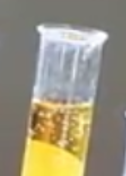
L'estratto si presenta come un liquido o una polvere solubile in acqua, con un colore che varia dal marrone chiaro al giallo. È utilizzato principalmente in lozioni, creme, sieri e maschere per il viso, dove svolge un ruolo protettivo e calmante, aiutando a riparare e rigenerare la pelle stressata o danneggiata.
Processo di produzione
L'estratto di Cynanchum Atratum viene ottenuto attraverso processi di estrazione a base di solventi o idrosolubili, che permettono di isolare i composti bioattivi della pianta. Il processo garantisce un estratto altamente concentrato, che mantiene le sue proprietà terapeutiche per essere utilizzato in applicazioni cosmetiche.
Raccolta: Le parti della pianta Cynanchum atratum vengono raccolte quando sono mature. È fondamentale seguire pratiche di raccolta sostenibili per garantire la qualità del materiale vegetale.
Pulizia: Dopo la raccolta, le parti della pianta vengono pulite per rimuovere sporco, residui e impurità. Questo passaggio è cruciale per garantire che l'estratto finale sia di alta qualità.
Essiccazione: Le parti pulite possono essere essiccate per rimuovere l'umidità. Questo aiuta a preservare le proprietà attive e facilita la successiva estrazione.
Estrazione: L'estrazione dei principi attivi avviene utilizzando solventi appropriati, come acqua, etanolo o metanolo. Le parti essiccate della pianta vengono immerse nel solvente e la miscela viene agitata o riscaldata per promuovere il rilascio dei composti bioattivi.
Filtrazione: Una volta completato il processo di estrazione, la soluzione ottenuta viene filtrata per rimuovere solidi non disciolti, ottenendo un estratto liquido contenente i principi attivi della pianta.
Concentrazione: L'estratto può essere ulteriormente concentrato mediante evaporazione del solvente, per ottenere un prodotto più ricco di nutrienti e con una maggiore stabilità.
Controllo Qualità e Confezionamento: Infine, l'estratto viene sottoposto a controlli di qualità per verificarne la purezza, l'efficacia e la conformità agli standard. Dopo l'analisi, viene confezionato per la distribuzione e l'uso in integratori alimentari e prodotti cosmetici.
Applicazioni
- Medicinale: Le radici sono utilizzate principalmente per preparare decotti o estratti che sono incorporati in varie formulazioni di medicina tradizionale.
- Ricerca: Gli studi farmacologici moderni si concentrano sui suoi potenziali effetti anti-cancro e di potenziamento immunitario.
Prodotti lenitivi: Grazie alle sue proprietà calmanti, l'estratto di Cynanchum Atratum è utilizzato in prodotti destinati alla pelle sensibile o irritata per ridurre il rossore e alleviare il prurito.
Prodotti antiossidanti: L'estratto protegge la pelle dai danni dei radicali liberi e dall'inquinamento, contribuendo a prevenire l'invecchiamento precoce.
Cura rigenerativa della pelle: Ideale per prodotti rigenerativi, l'estratto aiuta a migliorare la guarigione della pelle e a stimolare il rinnovamento cellulare, rendendolo utile in trattamenti per pelli danneggiate o stressate.
Funzioni INCI;
Agente condizionante della pelle. Rappresenta il perno del trattamento topico della pelle in quanto ha la funzione di ripristinare, aumentare o migliorare la tolleranza cutanea a fattori esterni, compresa la tolleranza dei melanociti. La funzione più importante dell'agente condizionante è prevenire la disidratazione della pelle, ma il tema è piuttosto complesso e coinvolge emollienti ed umettanti che possono essere aggiunti nella formulazione.
Considerazioni sulla salute e sicurezza
Sicurezza d'uso
L'estratto di Cynanchum Atratum è considerato sicuro per l'uso nei prodotti cosmetici. Non sono stati riportati effetti collaterali significativi, ma come con tutti gli ingredienti botanici, è consigliabile eseguire un patch test prima dell'uso su pelle sensibile.
Reazioni allergiche
Le reazioni allergiche a questo estratto sono rare, ma possono verificarsi in individui sensibili a estratti vegetali. Si consiglia di testare il prodotto su una piccola area di pelle prima dell'uso.
Tossicità e cancerogenicità
È considerato sicuro per l'uso topico e offre benefici lenitivi e protettivi.
Considerazioni ambientali
L'estrazione avviene attraverso processi sostenibili e rispettosi dell'ambiente. La pianta da cui è ottenuto è una risorsa rinnovabile, e l'impatto ambientale del processo di produzione è minimo.
Stato normativo
L'estratto di Cynanchum Atratum è approvato per l'uso nei prodotti cosmetici dalle principali autorità regolatorie, tra cui l'Unione Europea e la FDA negli Stati Uniti.
Bibliografia__________________________________________________________________________
Fleitas MMD, Kim SS, Kim NK, Seo SR. Cynanoside F Controls Skin Inflammation by Suppressing Mitogen-Activated Protein Kinase Activation. Antioxidants (Basel). 2022 Sep 1;11(9):1740. doi: 10.3390/antiox11091740.
Abstract. Atopic dermatitis (AD) is a chronic inflammatory skin disease accompanied by severe itching and dry skin. Currently, the incidence of AD due to excessive activation of immune cells by various environmental factors is increasing worldwide, and research on inflammatory response inhibitors with fewer side effects is continuously needed. Cynanoside F (CF) is one of the pregnane-type compounds in the root of Cynanchum atratum, an oriental medicinal herb that has been shown to have antioxidant, antitumor, and anti-inflammatory effects. Although CF has been isolated as a component in Cynanchum atratum, the scientific role of CF has not yet been explored. In this study, we evaluated the effect of CF on AD and revealed the mechanism using in vitro and in vivo experimental models. CF significantly reduced lipopolysaccharide (LPS)-induced protein expression levels of interleukin-1β (IL-1β), interleukin-6 (IL-6), and cyclooxygenase-2 (COX-2), which are important proinflammatory mediators in the RAW264.7 macrophage cell line. CF did not inhibit the nuclear factor-kappa B (NF-κB) signaling activated by LPS but significantly reduced the phosphorylation of mitogen-activated protein kinases (MAPKs), such as p38 MAPK, JNK, and ERK. CF consistently inhibited the activity of the activator protein-1 (AP-1) transcription factor, a downstream molecule of MAPK signaling. In addition, in an experiment using an oxazolone-induced AD mouse model, the CF-treated group showed a marked decrease in epidermal thickness, the number of infiltrated mast cells, and the amount of histamine. The mRNA levels of IL-1β, interleukin-4 (IL-4), and thymic stromal lymphopoietin (TSLP) were consistently lowered in the group treated with CF. Moreover, the phosphorylation of c-Jun and c-Fos protein levels, which are the AP-1 components, were lowered in the skin tissues of CF-treated mice. These results provide the first evidence that CF has an inhibitory effect on AD and suggest the possibility of CF being developed as a potential therapeutic agent for AD.
Kim YY, Lee S, Jang HJ, Hur G, Lee SW, Jung K, Lee SJ, Kim SH, Rho MC. Cynanchum atratum Ameliorates Airway Inflammation via Maintaining Alveolar Barrier and Regulating Mast Cell-Mediated Inflammatory Responses. Am J Chin Med. 2019;47(8):1795-1814. doi: 10.1142/S0192415X19500915.
Abstract. Asthma is a common allergic airway inflammatory disease, characterized by abnormal breathing due to bronchial inflammation. Asthma aggravates the patient's quality of life and needs continuous pharmacological treatment. Therefore, discovery of drugs for the treatment of asthma is an important area of human health. The aim of the present study was to evaluate whether Cynanchum atratum extract (CAE) modulates the asthma-like allergic airway inflammation and to study its possible mechanism of action using ovalbumin (OVA)-induced airway inflammation and lipopolysaccharide (LPS)-induced acute lung injury (ALI) in mice, as well as a mast cell-based in vitro model. The histological analysis showed that CAE reduced the airway constriction and immune cell infiltration. CAE also inhibited release of β-hexosaminidase and expression of inflammatory cytokines such as tumor necrosis factor (TNF)-α, interleukin (IL)-4, and IL-5 in bronchoalveolar lavage fluid and lung tissues. In addition, CAE reduced the OVA-specific immunoglobulin (Ig) E, total IgE, IgG1, and IgG2a levels in the serum. In the LPS-induced ALI model, CAE suppressed the LPS-induced lung barrier dysfunction and the release of proinflammatory cytokines. Because allergic airway inflammatory responses are associated with the activation of mast cells, RBL-2H3 cells were used to evaluate the underlying mechanism of CAE effects. In RBL-2H3 cells, CAE down-regulated release of β-hexosaminidase and histamine by reducing the intracellular calcium influx. In addition, CAE suppressed the expression of proinflammatory cytokines by inhibiting nuclear translocation of nuclear factor-κB. Taken together, our findings suggest that CAE may help in the prevention or treatment of airway inflammatory diseases.
Bai H, Li W, Koike K. Pregnane glycosides from Cynanchum atratum. Steroids. 2008 Jan;73(1):96-103. doi: 10.1016/j.steroids.2007.09.004.
Abstract. Five new pregnane glycosides, cynanosides K-O (1-5) with a 14,15-seco-pregnane-type skeleton as the aglycon, together with five known compounds, cynascyroside C, sublanceoside E(1), sublanceoside I(1), atratoside A and atratoside B, were isolated from the roots of Cynanchum atratum. Their structures were determined on the basis of spectroscopic analysis and chemical evidence.
Yang J, Wang B, Zhang CF, Xu XH, Zhang M. A C21-Steroidal Glycoside from Cynanchum atratum Attenuates Concanavalin A-Induced Liver Injury in Mice. Molecules. 2019 Mar 19;24(6):1087. doi: 10.3390/molecules24061087.
Abstract. Cynatratoside A (CyA) is a C21 Steroidal glycoside with pregnane skeleton isolated from the root of Cynanchum atratum Bunge (Asclepiadaceae). This study aimed to investigate the effects of CyA on concanavalin A (Con A)-induced autoimmune hepatitis (AIH) and the underlying mechanism. CyA was orally administered to mice at 10 and 40 mg/kg 8 h before and 1 h after Con A treatment. The effects of CyA on Con A-induced spleen and liver in mice were assessed via histopathological changes, T lymphocyte amounts and the expressions of IL-1β and ICAM-1. Con A-induced L-02 hepatocytes were used to evaluate whether CyA (0.1⁻10 μM) can directly protect hepatocytes from cytotoxicity and the possible mechanism. The results revealed that CyA treatment could significantly improve the histopathological changes of spleen and liver, reduce the proliferation of splenic T lymphocytes, and decrease the expressions of IL-1β and ICAM-1 in liver. The experiment in vitro showed that CyA inhibited Con A-induced hepatotoxicity in a concentration-dependent manner. CyA (10 μM) significantly increased/decreased the expression of Bcl-2/Bax and reduced the levels of cleaved caspases-9 and -3. Our study demonstrated for the first time that CyA has a significant protective effect on Con A-induced AIH by inhibiting the activation and adhesion of T lymphocytes and blocking hepatocyte apoptosis.
Fu YW, Zhang QZ, Xu DH, Liang JH, Wang B. Antiparasitic effect of cynatratoside-C from Cynanchum atratum against Ichthyophthirius multifiliis on grass carp. J Agric Food Chem. 2014 Jul 23;62(29):7183-9. doi: 10.1021/jf5018675.
Abstract. Ichthyophthirius multifiliis (Ich), a fish ectoparasite, comprises an important challenge in the aquaculture industry. In this study, a steroidal glycoside, cynatratoside-C, isolated from Cynanchum atratum roots by bioassay-guided fractionation was used to treat I. multifiliis. The cynatratoside-C at 0.25 mg/L demonstrated a 100% mortality of I. multifiliis in vitro after 5 h exposure. The 5 h median effective concentration (EC50) of cynatratoside-C to nonencysted tomonts was 0.083 mg/L. In addition, cynatratoside-C at concentrations of 0.125 and 0.06 mg/L could completely terminate the reproduction of encysted tomonts. The cynatratoside-C at 2 mg/L could cure the infected grass carp within 48 h. The exact mechanism of cynatratoside-C for killing I. multifiliis is unknown, but it manifests itself microscopically through loss of membrane integrity of nonencysted tomonts or through releasing immature theronts from encysted tomonts. The immature theronts finally died before infecting fish. On the basis of these results, cynatratoside-C could be used as a natural anti-I. multifiliis agent.
Day SH, Wang JP, Won SJ, Lin CN. Bioactive constituents of the roots of Cynanchum atratum. J Nat Prod. 2001 May;64(5):608-11. doi: 10.1021/np000428b.
Abstract. A novel biphenylneolignan, 2,6,2',6'-tetramethoxy-4,4'-bis(2,3-epoxy-1-hydroxypropyl)biphenyl (1), and two new glycosides named atratoglaucosides A (2) and B (3), were isolated from the roots of Cynanchum atratum, and their structures were determined on the basis of chemical and spectroscopic evidence. The aglycons of 2 and 3 were identified as glaucogenin C and 7-desoxyneocynapanogenin A, a new disecopregnane. A known compound, glaucogenin C 3-O-beta-D-cymaropyranosyl-(1-->4)-alpha-L-diginopyranosyl-(1-->4)-beta-D-thevetopyranoside (4), isolated from the same source, showed a significant cytotoxic effect against 212 cells. This substance also gave a significant inhibitory effect on TNF-alpha (tumor necrosis factor-alpha) formation from the RAW 264.7 mouse macrophage-like cell line stimulated with LPS (lipopolysaccharide) and on the N9 microglial cell line stimulated with LPS/IFN-gamma (interferon-gamma).




