



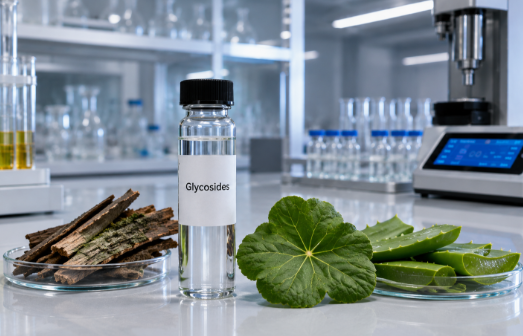
Glycosides are organic compounds consisting of a sugar (glycone) linked to a non-sugar molecule (aglycone), which can be a phenolic, steroidal, or terpenoid compound. They are naturally found in many plants, where they serve protective and energy storage functions. In cosmetics, glycosides are valued for their conditioning, antioxidant, and moisturizing properties. They are used in a wide range of products to improve skin texture and promote overall skin health.
Chemical Composition and Structure
Glycosides are composed of a sugar molecule, such as glucose or fructose, attached to an aglycone component, which may include flavonoids, terpenes, or other bioactive compounds. This structure gives glycosides a variety of biochemical properties that make them useful in both cosmetic and pharmaceutical applications.
Physical Properties
Glycosides typically appear as water-soluble powders or liquids and are often clear or slightly opaque. Due to their solubility, they are easy to incorporate into products like serums, lotions, creams, and shampoos, where they provide conditioning and moisturizing effects.
Production Process
Glycosides are typically extracted from plants through aqueous or solvent extraction processes. Some glycosides can also be synthesized chemically to ensure purity and consistency. The extraction process preserves the bioactive properties of glycosides, ensuring their effectiveness in cosmetic formulations.
Extraction from Plant Sources: Glycosides can be extracted from various plant sources, such as fruits, leaves, and roots. The plants are harvested and cleaned to remove impurities and residues.
Maceration: The plant parts containing the glycosides are macerated in an appropriate solvent (such as water or alcohol) to release the active compounds. This process may include the use of heat to facilitate extraction.
Filtration: After maceration, the mixture is filtered to remove solids and plant residues, resulting in a liquid extract containing the glycosides.
Purification: The extract may be further purified using techniques such as chromatography to isolate pure glycosides and remove other unwanted substances.
Quality Control and Packaging: Finally, glycosides undergo quality control checks to verify their purity and composition. After analysis, they are packaged in appropriate containers for distribution and use in cosmetic products and dietary supplements.
Some medical functions of glycosides:
1. Cardiotonic Glycosides:
Example: Digoxin, Digitoxin (from the foxglove plant).
Function: Cardiotonic glycosides are primarily used to treat heart conditions such as congestive heart failure and certain types of arrhythmias. They work by increasing the force of heart muscle contractions, leading to improved heart efficiency and output.
2. Anti-inflammatory Properties:
Example: Salicin (from willow bark).
Function: Glycosides with salicylic acid derivatives have anti-inflammatory properties. Salicin, for instance, is metabolized into salicylic acid in the body and has been traditionally used to reduce fever, pain, and inflammation. It serves as a precursor to aspirin.
3. Antimicrobial and Antifungal Activity:
Example: Saponins (from various plants).
Function: Certain glycosides, such as saponins, have antimicrobial and antifungal properties. They disrupt the integrity of microbial cell membranes, making them useful for treating infections or as preservatives in various pharmaceutical formulations.
4. Anticancer Activity:
Example: Podophyllotoxin glycosides (from the Podophyllum plant).
Function: Some glycosides exhibit anticancer properties by interfering with cancer cell division. For example, derivatives of podophyllotoxin are used in chemotherapy as they inhibit topoisomerase enzymes, which are essential for DNA replication in cancer cells.
5. Laxative Effect:
Example: Anthraquinone glycosides (from senna and aloe).
Function: Glycosides like anthraquinones have a laxative effect and are used to treat constipation. They stimulate the bowel muscles and promote the movement of stool through the digestive tract.
6. Hypoglycemic Activity:
Example: Glycyrrhizin (from licorice root).
Function: Some glycosides, such as glycyrrhizin, have been shown to have hypoglycemic effects, which can help in the management of diabetes by lowering blood glucose levels.
7. Immune-modulatory Effects:
Example: Glycosides from Echinacea species.
Function: Certain glycosides are believed to boost the immune system. Echinacea, for example, is rich in glycosides that may stimulate the body's natural immune responses and is commonly used in remedies for colds and flu.
8. Anti-malarial Properties:
Example: Quinine glycosides (from the cinchona tree).
Function: Quinine, a glycoside from the bark of the cinchona tree, has historically been used to treat malaria by interfering with the ability of the malaria parasite to digest hemoglobin in the blood.
9. Diuretic Properties:
Example: Glycosides from certain plant species like digitalis.
Function: Some glycosides promote diuresis (increased urine production), which can be useful in treating conditions like hypertension and fluid retention.
Applications
Antioxidant Products: Glycosides have antioxidant properties that protect the skin from oxidative damage caused by free radicals, helping to prevent premature aging.
Skin Conditioning: Used in skincare products, glycosides enhance skin texture, making it softer and smoother, with hydrating and soothing effects.
Cleansing Products: Some glycosides, such as alkyl glycosides, are used as gentle surfactants in shampoos and cleansers, due to their ability to cleanse without irritating the skin or hair.
Health and Safety Considerations
Safety in Use
Glycosides are generally considered safe for use in cosmetic products and are well-tolerated by the skin. However, as with any ingredient, a patch test is recommended before use, especially on sensitive skin.
Allergic Reactions
Allergic reactions to glycosides are rare, but may occur in individuals sensitive to specific plant extracts. It is always advisable to test the product on a small area of skin before use.
Toxicity and Carcinogenicity
There is no evidence to suggest that glycosides are toxic or carcinogenic. They are considered safe for topical use in cosmetics and personal care products.
Environmental Considerations
Glycosides are extracted from renewable natural sources, primarily plants. Their extraction process is relatively sustainable and low-impact, making them an eco-friendly choice for cosmetic formulations.
Regulatory Status
Glycosides are approved for use in cosmetics by major regulatory authorities, including the European Union and the FDA in the United States.

