



Actinidia Chinensis Fruit Juice, commonly known as kiwi juice, is extracted from the ripe fruits of the kiwi (Actinidia chinensis) plant. This ingredient contains vitamin C, antioxidants, fatty acids, and minerals, offering numerous skin benefits. Kiwi juice is known for its conditioning, regenerative, and moisturizing properties, and is used in cosmetic products to improve skin health, providing a smooth and soft texture.
Chemical Composition and Structure
Kiwi juice contains vitamin C, polyphenols, carotenoids, essential fatty acids, and minerals such as potassium. Vitamin C is a powerful antioxidant that helps protect the skin from free radicals and stimulates collagen production. Essential fatty acids, such as linoleic acid (omega-6) and alpha-linolenic acid (omega-3), contribute to keeping the skin hydrated and healthy.
Physical Properties
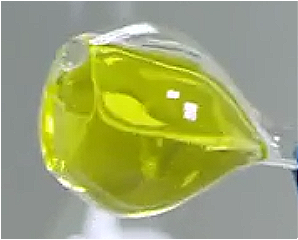
It appears as a transparent or slightly cloudy liquid, with a light green or yellow hue. It is water-soluble and is commonly used in lotions, creams, serums, and masks due to its conditioning and moisturizing properties.
Production Process
The juice is extracted from ripe kiwi fruits through a cold-press or centrifugation process. This method preserves the essential nutrients and antioxidants, ensuring the juice retains its beneficial properties for skin care.
Harvesting the Fruit: Actinidia chinensis fruits are harvested when ripe. It is essential to follow sustainable harvesting practices to ensure the quality of the plant material.
Cleaning: After harvesting, the fruits are cleaned to remove dirt, residues, and impurities. This step is crucial to ensure that the final juice is of high quality.
Juice Extraction: The cleaned fruits are pressed to obtain the juice. This can be done using mechanical presses or specific juicers that crush the fruits and collect the extracted liquid.
Filtration: The obtained juice is filtered to remove solids and undissolved fibers, resulting in a clear and uniform juice.
Pasteurization: Kiwi juice may be pasteurized to eliminate any microorganisms and extend the product's shelf life. This step is important to ensure food safety.
Quality Control and Packaging: Finally, fruit juice undergoes quality control checks to verify its purity, flavor, and nutritional properties. After analysis, it is packaged in bottles or appropriate containers for distribution and use in cosmetic and food products.
Applications
Skin Conditioning: Kiwi juice is used in skin conditioning products, helping to improve skin elasticity and softness.
Moisturizing: The hydrating properties of kiwi juice help keep the skin nourished and moisturized, reducing dryness and improving texture.
Regenerative Products: Kiwi juice is ideal for products aimed at regenerating the skin, stimulating collagen production, and reducing signs of aging.
INCI Functions:
Skin conditioning agent. It is the mainstay of topical skin treatment as it has the function of restoring, increasing or improving skin tolerance to external factors, including melanocyte tolerance. The most important function of the conditioning agent is to prevent skin dehydration, but the subject is rather complex and involves emollients and humectants that can be added in the formulation.
CAS: 92456-63-8 296-241-6
Health and Safety Considerations
Safety in Use
Kiwi juice is considered safe for use in cosmetics and skincare. No significant side effects have been reported, but as with any natural ingredient, a patch test is recommended before use on sensitive skin.
Allergic Reactions
Allergic reactions to kiwi juice are rare, but individuals with kiwi fruit allergies should exercise caution and test the product on a small area of skin before use.
Toxicity and Carcinogenicity
It is considered safe and beneficial for the skin due to its nourishing and conditioning properties.
Environmental Considerations
Kiwi juice is sourced from a renewable and sustainable resource, and the extraction process has minimal environmental impact. Using juice extracted from kiwi fruits helps reduce waste in the kiwi production chain.
Regulatory Status
Kiwi juice is approved for use in cosmetic products by major regulatory authorities, including the European Union and the FDA in the United States.
Studies
Kiwis contain on average:
- Vitamin C Ascorbic acid in the following measures (Cultivar Actinidia chinenssis Plach, Gaivard): mg/g 5,44 in the juice, 1,14 in the skin, 4,20 in the pulp (1).
- Vitamin E
- Potassium
It has good antioxidant and anti-inflammatory properties due to the presence of ascorbic acid.
Flavonoids, vitamin C and carotenoids have a preventive effect against cardiovascular diseases (2).
Kiwi has proven effective in relieving chronic constipation (3) with these benefits:
- decreased in days of laxative used
- satisfaction of bowel habit
- improvement in transit time
- improvement in rectal sensation

