



Hippophae Rhamnoides Fruit Water, commonly known as sea buckthorn fruit water, is derived from the fruit of the Hippophae rhamnoides (Sea buckthorn) plant. This aqueous solution contains trace amounts of vitamins, minerals, and antioxidants naturally found in the fruit and is primarily used as a fragrance and solvent in cosmetic products. While less concentrated than oils or extracts, sea buckthorn fruit water offers moisturizing and soothing properties and is often used to provide freshness and light nourishment in skincare products.
Chemical Composition and Structure
It contains small concentrations of vitamin C, flavonoids, carotenoids, and trace minerals. These antioxidant compounds help protect the skin from free radicals and provide light hydration. The water mainly serves as a solvent in cosmetics, promoting the even distribution of active ingredients and enhancing the texture of formulations.
Physical Properties
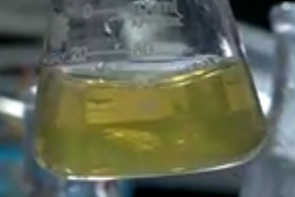
Sea buckthorn fruit water appears as a clear or slightly colored liquid, depending on the concentration of compounds present. It is fully water-soluble and used in cosmetic formulations such as lotions, toners, and facial sprays, where it primarily functions as a solvent, contributing to hydration and a refreshing feel.
Production Process
Sea buckthorn fruit water is obtained through the distillation or steam extraction of the fruits. This process extracts the naturally occurring water along with water-soluble compounds. The resulting water is then purified and stabilized for use in cosmetic products.
Harvesting the Fruit: Hippophae rhamnoides fruits are harvested when ripe. It is essential to follow sustainable harvesting practices to ensure the quality of the plant material.
Cleaning: After harvesting, the fruits are cleaned to remove dirt, residues, and impurities. This step is crucial to ensure that the final fruit water is of high quality.
Extraction: The cleaned fruits undergo an extraction process where they are immersed in hot or cold water for a specified period. During this process, the bioactive compounds, vitamins, and minerals are transferred from the inside of the fruits to the water.
Filtration: Once the extraction process is complete, the mixture is filtered to remove solids and residues, resulting in a clear water rich in nutrients.
Quality Control and Packaging: Finally, Hippophae rhamnoides fruit water undergoes quality control checks to verify its purity, efficacy, and compliance with standards. After analysis, it is packaged in bottles or appropriate containers for distribution and use in cosmetic products and dietary supplements.
Applications
Solvent in Cosmetics: Sea buckthorn fruit water is primarily used as a solvent in cosmetic formulations, helping to blend active ingredients and improve the texture of products.
Moisturizing and Toning Products: With its light moisturizing properties, the fruit water is often included in toners and refreshing facial products, providing a touch of hydration without weighing down the skin.
Facial Mists and Sprays: Sea buckthorn fruit water is ideal for use in facial sprays, where it helps to refresh and lightly hydrate the skin throughout the day.
INCI Functions:
Fragrance. It plays a very important role in the formulation of cosmetic products as it provides the possibility of enhancing, masking or adding fragrance to the final product, increasing its marketability. It is able to create a perceptible pleasant odour, masking a bad smell. The consumer always expects to find a pleasant or distinctive scent in a cosmetic product.
Solvent. It is the substance for dissolving or dispersing surfactants, oils, dyes, flavourings, bactericidal preservatives in solution.In fact, it dissolves other components present in a cosmetic formulation. Solvents are generally liquid (aqueous and non-aqueous).
CAS: 90106-68-6 290-292-8
Health and Safety Considerations
Safety in Use
Sea buckthorn fruit water is considered safe for use in cosmetic products. It is well tolerated by the skin and poses no significant risks of irritation or sensitization. Major regulatory authorities, such as the European Union and the FDA, approve the use of this water in skincare formulations.
Allergic Reactions
Allergic reactions to this water are extremely rare, but as with any new ingredient, it is recommended to perform a patch test before use.
Toxicity and Carcinogenicity
It is considered safe and has no known contraindications for topical use.
Environmental Considerations
Sea buckthorn fruit water is obtained from a renewable and sustainable source and is a byproduct of fruit processing. The distillation or steam extraction process has a minimal environmental impact, making this ingredient an eco-friendly choice.
Regulatory Status
Sea buckthorn fruit water is approved for use in cosmetics by major regulatory authorities, such as the European Union and the FDA in the United States.
Sea buckthorn (Hippophae rhamnoides) Studies
From the leaves and berries of the sea buckthorn (Hippophae rhamnoides) is extracted chloroform and n-hexane, components with intense antibacterial activity (1).
It is a rich source of vitamins C and E, carotenoids, flavonoids, anthocyanins, organic acids, amino acids, sterols, triterpenols and isoprenols (2) with an antioxidant activity.
The berries produce an oil containing carotenoids, palmitic, palmitolic and oleic acid, while the seed oil is composed of linoleic, linolenic and oleic acid as main components (3) .
This oil has traditionally been used to improve blood circulation and for the treatment of dermatological problems including wounds, gastritis, peptic ulcers, uterine erosion and inflammatory disorders of the genital organs (4).
Sea buckthorn has significant cardioprotective activity and a positive effects on the healing of the cardiovascular system, including inhibition of platelet activation (in particular platelet aggregation), reduction of cholesterol concentration, blood pressure and antioxidant action (5).
In this study, a positive evaluation of the topical effects on atopic lesions as it improved the severity of dermatitis by reducing epidermal thickness (6).
The results of this study on the extract of Sea buckthorn, provide a basis for affordable, low side-effect therapy for the treatment of psoriasis (7).
Cosmetics
It produces a regenerating effect on the skin produced by carotenoids, vitamin E and unsaturated fats contained in the pulp and seeds.
Other applications
It is placed in foods, candies, to give a particular taste.
Sea buckthorn studies

