



Hippophae Rhamnoides Fruit Extract, commonly known as sea buckthorn fruit extract, is a natural ingredient obtained from the fruit of the Hippophae rhamnoides plant (Sea buckthorn). Rich in vitamins, antioxidants, and essential fatty acids, this extract is highly valued for its regenerative, moisturizing, and protective properties. It is widely used in cosmetic formulations to improve skin health, combat the signs of aging, and protect the skin from environmental damage.
Chemical Composition and Structure
This extract is rich in vitamin C, vitamin E, omega-3, omega-6, omega-7, and omega-9 fatty acids, as well as powerful antioxidants such as carotenoids and flavonoids. These bioactive components work together to protect the skin from oxidative stress, stimulate cell regeneration, and improve skin hydration and elasticity. Its composition makes the extract particularly effective in promoting skin healing and preventing the signs of aging.
Physical Properties
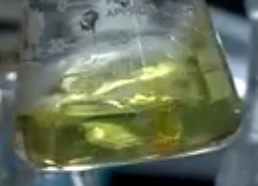
It typically appears as an orange or deep yellow liquid due to its high carotenoid content. It is oil-soluble and can be used in a wide range of cosmetic products such as serums, lotions, and creams, where it provides moisturizing and regenerative benefits. Its light texture allows it to penetrate the skin quickly without leaving a greasy residue.
Production Process
Sea buckthorn fruit extract is obtained through cold pressing or supercritical CO2 extraction methods to preserve the integrity of the bioactive compounds. These methods allow for a nutrient-rich extract, which is then purified and stabilized for use in cosmetic products.
Harvesting the Fruit: Hippophae rhamnoides fruits are harvested when ripe. It is essential to follow sustainable harvesting practices to ensure the quality of the plant material.
Cleaning and Preparation: After harvesting, the fruits are cleaned to remove dirt, residues, and impurities. This step is crucial to ensure that the final extract is of high quality.
Drying: The cleaned fruits may undergo a drying process to remove moisture. This helps preserve the active properties and facilitates subsequent extraction.
Extraction: The extraction of active principles occurs using appropriate solvents, such as water, ethanol, or methanol. The dried fruits are immersed in the solvent, and the mixture is agitated or heated to promote the release of bioactive compounds.
Filtration: Once the extraction process is complete, the obtained solution is filtered to remove undissolved solids, resulting in a liquid extract containing the active principles of the fruit.
Concentration: The extract may be further concentrated by evaporating the solvent to obtain a product richer in nutrients and with greater stability.
Quality Control and Packaging: Finally, Hippophae rhamnoides fruit extract undergoes quality control checks to verify its purity, efficacy, and compliance with standards. After analysis, it is packaged for distribution and use in cosmetic products and dietary supplements.
Applications
Skincare: Sea buckthorn fruit extract is ideal for products targeting mature, dry, or damaged skin. Its antioxidant and regenerative properties help improve skin elasticity and promote cell regeneration.
Anti-aging Products: With its high antioxidant content, this extract is often used in anti-aging formulations to reduce the appearance of wrinkles and fine lines while protecting the skin from free radical damage.
Soothing and Regenerative Products: The moisturizing and nourishing properties of sea buckthorn fruit extract also make it suitable for sensitive or irritated skin.
INCI Functions:
Skin conditioning agent. It is the mainstay of topical skin treatment as it has the function of restoring, increasing or improving skin tolerance to external factors, including melanocyte tolerance. The most important function of the conditioning agent is to prevent skin dehydration, but the subject is rather complex and involves emollients and humectants that can be added in the formulation.
Health and Safety Considerations
Safety in Use
Sea buckthorn fruit extract is considered safe for use in cosmetics. It is well tolerated by most skin types and does not pose significant risks of irritation. Regulatory authorities, such as the European Union and the FDA, approve its use in cosmetic products.
Allergic Reactions
Allergic reactions to this extract are rare. However, it is recommended to perform a patch test before use, especially for individuals with highly sensitive skin.
Toxicity and Carcinogenicity
It is considered beneficial for skin health due to its antioxidant, regenerative, and protective properties.
Environmental Considerations
Sea buckthorn fruit extract is obtained from a renewable and sustainable resource. The sea buckthorn plant is resilient and grows in harsh environments, which reduces the need for pesticides or other harmful chemicals.
Regulatory Status
The extract is approved for use in cosmetics by major regulatory authorities, including the European Union and the FDA in the United States. It is widely used in anti-aging, regenerative, and moisturizing products.
Sea buckthorn (Hippophae rhamnoides) Studies
From the leaves and berries of the sea buckthorn (Hippophae rhamnoides) is extracted chloroform and n-hexane, components with intense antibacterial activity (1).
It is a rich source of vitamins C and E, carotenoids, flavonoids, anthocyanins, organic acids, amino acids, sterols, triterpenols and isoprenols (2) with an antioxidant activity.
The berries produce an oil containing carotenoids, palmitic, palmitolic and oleic acid, while the seed oil is composed of linoleic, linolenic and oleic acid as main components (3) .
This oil has traditionally been used to improve blood circulation and for the treatment of dermatological problems including wounds, gastritis, peptic ulcers, uterine erosion and inflammatory disorders of the genital organs (4).
Sea buckthorn has significant cardioprotective activity and a positive effects on the healing of the cardiovascular system, including inhibition of platelet activation (in particular platelet aggregation), reduction of cholesterol concentration, blood pressure and antioxidant action (5).
In this study, a positive evaluation of the topical effects on atopic lesions as it improved the severity of dermatitis by reducing epidermal thickness (6).
The results of this study on the extract of Sea buckthorn, provide a basis for affordable, low side-effect therapy for the treatment of psoriasis (7).
Cosmetics
It produces a regenerating effect on the skin produced by carotenoids, vitamin E and unsaturated fats contained in the pulp and seeds.
Other applications
It is placed in foods, candies, to give a particular taste.
Sea buckthorn studies

