



Hippophae Rhamnoides Callus Extract, also known as sea buckthorn callus extract, is derived from plant stem cells cultivated in a laboratory from the callus tissue of the Hippophae rhamnoides (sea buckthorn) plant. This extract is rich in antioxidants, essential fatty acids, and bioactive compounds that promote skin regeneration, improve elasticity, and protect against environmental damage. It is highly valued in cosmetic products for its anti-aging, soothing, and moisturizing properties.
Chemical Composition and Structure
This extract contains a complex mixture of phytonutrients, including polyphenols, flavonoids, essential fatty acids such as omega-3 and omega-6, and bioactive substances that act as powerful antioxidants and anti-inflammatory agents. These compounds help neutralize free radicals and stimulate cell regeneration, improving the overall appearance of the skin.
Physical Properties
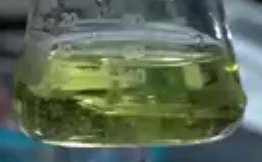
It typically appears as a clear or slightly viscous liquid, ranging from pale yellow to orange-yellow in color, depending on its carotenoid content. It is water-soluble and easily incorporated into serums, lotions, and creams, where it acts as a powerful moisturizer and skin regenerator. Its lightweight texture and quick absorption leave no greasy residue on the skin.
Production Process
Sea buckthorn callus extract is produced using biotechnology techniques, starting with the cultivation of plant stem cells from the plant's callus tissue. The callus cells are obtained by inducing cellular regeneration from selected plant tissues. This culture is then processed to obtain the extract rich in bioactive substances, which can be further purified and stabilized for use in cosmetic products.
Cultivation of Callus Cells: The callus is obtained from plant cells of Hippophae rhamnoides cultivated under controlled laboratory conditions. The cells are selected and stimulated to form callus through an in vitro culture process, using a nutrient-rich growth medium.
Harvesting the Callus: Once the callus has reached an adequate growth stage, it is harvested. This callus contains a high concentration of active principles that can be extracted.
Extraction: The extraction of bioactive compounds from the callus occurs using appropriate solvents, such as water, ethanol, or methanol. The callus is immersed in the solvent, and the mixture is agitated or heated to promote the release of bioactive compounds.
Filtration: After extraction, the obtained solution is filtered to remove undissolved solids, resulting in a liquid extract containing the active principles of the callus.
Concentration: The extract may be further concentrated by evaporating the solvent to obtain a product richer in nutrients and with greater stability.
Quality Control and Packaging: Finally, Hippophae rhamnoides callus extract undergoes quality control checks to verify its purity, efficacy, and compliance with standards. After analysis, it is packaged for distribution and use in cosmetic products and dietary supplements.
Applications
Skincare: Thanks to its regenerative and antioxidant properties, sea buckthorn callus extract is used in products for mature, dry, or damaged skin. It helps restore skin elasticity, promotes cell regeneration, and protects against oxidative damage.
Anti-aging Products: Its high antioxidant content makes this extract particularly effective in reducing the signs of aging, such as wrinkles and fine lines, while improving skin elasticity and preventing damage from free radicals.
Soothing Products: Sea buckthorn callus extract also has anti-inflammatory properties, making it suitable for sensitive or irritated skin, or for those prone to inflammatory skin conditions.
INCI Functions:
Antimicrobial agent. This ingredient is able to suppress or inhibit the growth and replication of a broad spectrum of microorganisms such as bacteria, fungi and viruses by making the stratum corneum temporarily bactericidal and fungicidal.
Antioxidant agent. Ingredient that counteracts oxidative stress and prevents cell damage. Free radicals, pathological inflammatory processes, reactive nitrogen species and reactive oxygen species are responsible for the ageing process and many diseases caused by oxidation.
Hair conditioning agent. A significant number of ingredients with specific and targeted purposes may co-exist in hair shampoo formulations: cleansers, conditioners, thickeners, matting agents, sequestering agents, fragrances, preservatives, special additives. However, the indispensable ingredients are the cleansers and conditioners as they are necessary and sufficient for hair cleansing and manageability. The others act as commercial and non-essential auxiliaries such as: appearance, fragrance, colouring, etc. Hair conditioning agents have the task of increasing shine, manageability and volume, and reducing static electricity, especially after treatments such as colouring, ironing, waving, drying and brushing. They are, in practice, dispersants that may contain cationic surfactants, thickeners, emollients, polymers. The typology of hair conditioning agents includes: intensive conditioners, instant conditioners, thickening conditioners, drying conditioners. They can perform their task generally accompanied by other different ingredients.
Humectant. Hygroscopic compound used to minimise water loss in the skin and to prevent it from drying out by facilitating faster and greater absorption of water into the stratum corneum of the epidermis. The epidermis is the most superficial of the three layers that make up human skin (epidermis, dermis and hypodermis) and is the layer that maintains hydration in all three layers. In turn, the epidermis is composed of five layers: horny, the most superficial, granular, spinous, shiny, and basal. Humectants have the ability to retain the water they attract from the air in the stratum corneum and have the function of moisturising the skin. They are best used before emollients, which are oil-based.
Skin conditioning agent. It is the mainstay of topical skin treatment as it has the function of restoring, increasing or improving skin tolerance to external factors, including melanocyte tolerance. The most important function of the conditioning agent is to prevent skin dehydration, but the subject is rather complex and involves emollients and humectants that can be added in the formulation.
Skin protectant. It creates a protective barrier on the skin to defend it from harmful substances, irritants, allergens, pathogens that can cause various inflammatory conditions. These products can also improve the natural skin barrier and in most cases more than one is needed to achieve an effective result.
Health and Safety Considerations
Safety in Use
Sea buckthorn callus extract is considered safe for use in cosmetic products. It is well tolerated by the skin and poses no significant risks of irritation or sensitization. Major regulatory authorities, such as the European Union and the FDA, approve its use in skincare products.
Allergic Reactions
Allergic reactions to this extract are rare. However, as with any botanical ingredient, it is advisable to perform a patch test before use, especially on sensitive skin.
Toxicity and Carcinogenicity
It is considered safe and beneficial for skin health, thanks to its regenerative and antioxidant properties.
Environmental Considerations
Since it is produced through biotechnology from plant cells, sea buckthorn callus extract is a sustainable and renewable resource. The use of plant cell culture reduces the need for direct harvesting from the plant, contributing to the conservation of natural resources and limiting environmental impact.
Regulatory Status
Sea buckthorn callus extract is approved for use in cosmetic products by major regulatory authorities, including the European Union and the FDA in the United States. It is widely used in anti-aging, regenerative, and soothing skincare products.
Sea buckthorn (Hippophae rhamnoides) Studies
From the leaves and berries of the sea buckthorn (Hippophae rhamnoides) is extracted chloroform and n-hexane, components with intense antibacterial activity (1).
It is a rich source of vitamins C and E, carotenoids, flavonoids, anthocyanins, organic acids, amino acids, sterols, triterpenols and isoprenols (2) with an antioxidant activity.
The berries produce an oil containing carotenoids, palmitic, palmitolic and oleic acid, while the seed oil is composed of linoleic, linolenic and oleic acid as main components (3) .
This oil has traditionally been used to improve blood circulation and for the treatment of dermatological problems including wounds, gastritis, peptic ulcers, uterine erosion and inflammatory disorders of the genital organs (4).
Sea buckthorn has significant cardioprotective activity and a positive effects on the healing of the cardiovascular system, including inhibition of platelet activation (in particular platelet aggregation), reduction of cholesterol concentration, blood pressure and antioxidant action (5).
In this study, a positive evaluation of the topical effects on atopic lesions as it improved the severity of dermatitis by reducing epidermal thickness (6).
The results of this study on the extract of Sea buckthorn, provide a basis for affordable, low side-effect therapy for the treatment of psoriasis (7).
Cosmetics
It produces a regenerating effect on the skin produced by carotenoids, vitamin E and unsaturated fats contained in the pulp and seeds.
Other applications
It is placed in foods, candies, to give a particular taste.
Sea buckthorn studies

