Omega-9 are a family of non-essential monounsaturated fatty acids, meaning that the human body can synthesize them, unlike omega-3 and omega-6. However, supplementation through diet or topical products containing omega-9 can offer significant benefits for skin health and overall well-being. The most prominent omega-9 fatty acid is oleic acid, which is abundant in natural sources like olive oil, avocado oil, and sweet almond oil. Omega-9s are known for their moisturizing, emollient, and regenerative properties, making them ideal for improving skin softness, elasticity, and protection.
Chemical Composition and Structure
They are monounsaturated fatty acids with a double bond located between the ninth and tenth carbon atoms from the end of the chain, hence the name "omega-9." Oleic acid is the most abundant and representative of this class, while erucic acid is another omega-9 found in certain vegetable oils. The chemical structure of omega-9s makes them particularly stable and resistant to oxidation compared to other fatty acids, a characteristic that makes them ideal for use in cosmetic products and skin care oils.
Physical Properties
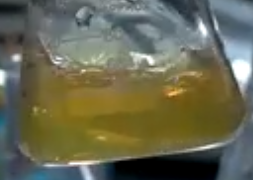
Omega-9s appear as light or viscous oils, lipid-soluble, and characterized by a clear or pale yellow color. Their chemical stability and resistance to oxidation make them ideal for use in cosmetic products that require long shelf life. They are easily incorporated into creams, serums, lotions, and skin oils, where they act as powerful emollients that deeply hydrate and improve skin softness.
Production Process
Omega-9s are extracted from natural sources such as olive oil, avocado oil, and sweet almond oil through cold-pressing methods. This process preserves the integrity of the fatty acids, maintaining their beneficial properties for use in cosmetics or dietary supplements.
Selection of Raw Materials: Omega-9s are primarily extracted from plant sources such as olive oil, hazelnut oil, avocado oil, and almond oil. These sources are selected for their high content of oleic acid, the most common Omega-9 fatty acid.
Extraction: The extraction of Omega-9s occurs through appropriate methods, such as cold pressing or solvent extraction. In cold pressing, the fruits or seeds are mechanically pressed to obtain the oil, while in solvent extraction, the plant materials are immersed in a solvent to dissolve the oils.
Filtration: After extraction, the obtained oils are filtered to remove undissolved solids and impurities, resulting in pure, high-quality oils.
Refining: The extracted oil may be refined to remove further impurities and improve the flavor and appearance of the final product. This process may include deodorization and bleaching.
Quality Control and Packaging: Finally, Omega-9s undergo quality control checks to verify their purity, efficacy, and compliance with standards. After analysis, they are packaged in appropriate containers for distribution and use in cosmetic products and dietary supplements.
Applications
Skincare: Omega-9s are widely used for their ability to deeply moisturize and nourish the skin, improving softness and radiance. They are particularly beneficial for dry or mature skin.
Anti-aging Products: Omega-9s help improve skin elasticity and reduce the appearance of wrinkles, fine lines, and signs of aging, thanks to their regenerative and moisturizing properties.
Repair Products: By strengthening the skin's lipid barrier, omega-9s are used in products that promote skin regeneration and protect against environmental damage.
Health and Safety Considerations
Safety in Use
Omega-9s are considered safe for use in cosmetic products and dietary supplements. They are generally well tolerated by the skin and do not cause significant irritation or sensitization. Major regulatory authorities, such as the European Union and the FDA, approve their use in skincare products.
Allergic Reactions
Allergic reactions to omega-9s are rare. However, it is always advisable to perform a patch test before use on sensitive skin, especially if using products containing oils derived from nuts or fruits (such as sweet almond oil).
Toxicity and Carcinogenicity
They are known for their beneficial effects on skin health, improving hydration and promoting cell regeneration.
Environmental Considerations
Omega-9s are derived from renewable natural sources such as olive oil and other vegetable oils. The cold-press extraction methods used to obtain omega-9s are eco-friendly and sustainable, making these fatty acids a biodegradable and environmentally responsible ingredient.
Regulatory Status
Omega-9s are approved for use in cosmetic products by major regulatory authorities such as the European Union and the FDA in the United States. They are primarily used in moisturizing, emollient, and regenerative formulations.
References__________________________________________________________________________
Wang Y, Jin J, Wu G, Wei W, Jin Q, Wang X. Omega-9 monounsaturated fatty acids: a review of current scientific evidence of sources, metabolism, benefits, recommended intake, and edible safety. Crit Rev Food Sci Nutr. 2024 Feb 11:1-21. doi: 10.1080/10408398.2024.2313181.
Abstract. Omega-9 monounsaturated fatty acids (ω-9 MUFAs) are a group of unsaturated fatty acids with a unique double bond in the 9th position at the end of the methyl group terminal, having the same double bond location but different carbon chain lengths. Although knowledge about ω-9 MUFAs is constantly being updated, problems with its integration remain in the field. The review summarizes the natural sources, biosynthesis, and catabolic properties of ω-9 MUFAs, emphasizing their positive effects on health functions as well as the active intermediates produced during their metabolic processes. Subsequently, the gap between the actual consumption and recommended intake of ω-9 MUFAs in our daily diet was calculated, and their food safety and potential challenges were discussed. Finally, the outlook of potential future applications and possible research trends are presented. The review aims to promote the rational consumption of ω-9 MUFAs, provide references for their application as functional foods and clinical auxiliary special medical foods, and propose more ideas and possibilities for future scientific research.
Kumar JBS, Sharma B. A review on neuropharmacological role of erucic acid: an omega-9 fatty acid from edible oils. Nutr Neurosci. 2022 May;25(5):1041-1055. doi: 10.1080/1028415X.2020.1831262.
Abstract. Neurodegenerative diseases (ND) are characterised by loss of neurons in the brain and spinal cord. For the normal functioning of the brain, divers group of fatty acids in the form of glycerophospholipids, glycerol ether lipids, cerebrosides, sulfatides, and gangliosides are essential. They are present abundantly in the nervous system and are actively involved in both the development and maintenance of the nervous system. A dietary deficiency of essential fatty acid during development results in hypomyelination state which affects various neuronal functions. Several studies suggested that age remains the primary risk factor for almost all neurodegenerative disorders. The potential contribution of these fatty acids in the progression of neurodegenerative disorders is indispensable. Erucic acid an omega 9 fatty acid, which is obtained from edible oils has proven to cause myocardial lipidosis, heart lesions and hepatic steatosis in animals therefore, its content in edible oils is restricted to certain levels by regulatory agencies. However, erucic acid in the form of a mixture with oleic acid is often used as a dietary treatment for the management of adrenoleukodystrophy without any cardiotoxicity. Our literature search revealed that, erucic acid reported to enhance cognitive function, interact with peroxisome proliferator activated receptors (PPARs), inhibit elastase and thrombin. In this review first we have attempted to describe the relationship between fatty acids and neurodegeneration followed by a description on the pharmacology of erucic acid. The overall purpose of this review is to analyse toxic and beneficial neuropharmacological effects of erucic acid.
Medeiros-de-Moraes IM, Gonçalves-de-Albuquerque CF, Kurz ARM, Oliveira FMJ, de Abreu VHP, Torres RC, Carvalho VF, Estato V, Bozza PT, Sperandio M, de Castro-Faria-Neto HC, Silva AR. Omega-9 Oleic Acid, the Main Compound of Olive Oil, Mitigates Inflammation during Experimental Sepsis. Oxid Med Cell Longev. 2018 Nov 13;2018:6053492. doi: 10.1155/2018/6053492.
Abstract. The Mediterranean diet, rich in olive oil, is beneficial, reducing the risk of cardiovascular diseases and cancer. Olive oil is mostly composed of the monounsaturated fatty acid omega-9. We showed omega-9 protects septic mice modulating lipid metabolism. Sepsis is initiated by the host response to infection with organ damage, increased plasma free fatty acids, high levels of cortisol, massive cytokine production, leukocyte activation, and endothelial dysfunction. We aimed to analyze the effect of omega-9 supplementation on corticosteroid unbalance, inflammation, bacterial elimination, and peroxisome proliferator-activated receptor (PPAR) gamma expression, an omega-9 receptor and inflammatory modulator. We treated mice for 14 days with omega-9 and induced sepsis by cecal ligation and puncture (CLP). We measured systemic corticosterone levels, cytokine production, leukocyte and bacterial counts in the peritoneum, and the expression of PPAR gamma in both liver and adipose tissues during experimental sepsis. We further studied omega-9 effects on leukocyte rolling in mouse cremaster muscle-inflamed postcapillary venules and in the cerebral microcirculation of septic mice. Here, we demonstrate that omega-9 treatment is associated with increased levels of the anti-inflammatory cytokine IL-10 and decreased levels of the proinflammatory cytokines TNF-α and IL-1β in peritoneal lavage fluid of mice with sepsis. Omega-9 treatment also decreased systemic corticosterone levels. Neutrophil migration from circulation to the peritoneal cavity and leukocyte rolling on the endothelium were decreased by omega-9 treatment. Omega-9 also decreased bacterial load in the peritoneal lavage and restored liver and adipose tissue PPAR gamma expression in septic animals. Our data suggest a beneficial anti-inflammatory role of omega-9 in sepsis, mitigating leukocyte rolling and leukocyte influx, balancing cytokine production, and controlling bacterial growth possibly through a PPAR gamma expression-dependent mechanism. The significant reduction of inflammation detected after omega-9 enteral injection can further contribute to the already known beneficial properties facilitated by unsaturated fatty acid-enriched diets.
Gonçalves-de-Albuquerque CF, Medeiros-de-Moraes IM, Oliveira FM, Burth P, Bozza PT, Castro Faria MV, Silva AR, Castro-Faria-Neto HC. Omega-9 Oleic Acid Induces Fatty Acid Oxidation and Decreases Organ Dysfunction and Mortality in Experimental Sepsis. PLoS One. 2016 Apr 14;11(4):e0153607. doi: 10.1371/journal.pone.0153607.
Abstract. Sepsis is characterized by inflammatory and metabolic alterations, which lead to massive cytokine production, oxidative stress and organ dysfunction. In severe systemic inflammatory response syndrome, plasma non-esterified fatty acids (NEFA) are increased. Several NEFA are deleterious to cells, activate Toll-like receptors and inhibit Na+/K+-ATPase, causing lung injury. A Mediterranean diet rich in olive oil is beneficial. The main component of olive oil is omega-9 oleic acid (OA), a monounsaturated fatty acid (MUFA). We analyzed the effect of OA supplementation on sepsis. OA ameliorated clinical symptoms, increased the survival rate, prevented liver and kidney injury and decreased NEFA plasma levels in mice subjected to cecal ligation and puncture (CLP). OA did not alter food intake and weight gain but diminished reactive oxygen species (ROS) production and NEFA plasma levels. Carnitine palmitoyltransferase IA (CPT1A) mRNA levels were increased, while uncoupling protein 2 (UCP2) liver expression was enhanced in mice treated with OA. OA also inhibited the decrease in 5' AMP-activated protein kinase (AMPK) expression and increased the enzyme expression in the liver of OA-treated mice compared to septic animals. We showed that OA pretreatment decreased NEFA concentration and increased CPT1A and UCP2 and AMPK levels, decreasing ROS production. We suggest that OA has a beneficial role in sepsis by decreasing metabolic dysfunction, supporting the benefits of diets high in monounsaturated fatty acids (MUFA).
Baumann KH, Hessel F, Larass I, Müller T, Angerer P, Kiefl R, von Schacky C. Dietary omega-3, omega-6, and omega-9 unsaturated fatty acids and growth factor and cytokine gene expression in unstimulated and stimulated monocytes. A randomized volunteer study. Arterioscler Thromb Vasc Biol. 1999 Jan;19(1):59-66. doi: 10.1161/01.atv.19.1.59.
Abstract. Dietary omega-3 fatty acids retard coronary atherosclerosis. Previously, we demonstrated that dietary omega-3 fatty acids reduce platelet-derived growth factor (PDGF)-A and PDGF-B mRNA levels in unstimulated, human mononuclear cells (MNCs). In a randomized, investigator-blinded intervention trial, we have now compared the effect of ingestion of 7 g/d omega-3, omega-6, or omega-9 fatty acids for 4 weeks versus no dietary intervention on PDGF-A, PDGF-B, heparin-bound epidermal growth factor (HB-EGF), monocyte chemoattractant protein-1 (MCP-1), and interleukin-10 gene expression in unstimulated MNCs and in monocytes that were adherence-activated ex vivo in a total of 28 volunteers. In unstimulated MNCs, mRNA steady-state levels of PDGF-A, PDGF-B, and MCP-1 were reduced by 25+/-10%, 31+/-13%, and 40+/-14%, respectively, after omega-3 fatty acid ingestion, as assessed by quantitative polymerase chain reaction (all P<0.05). In monocytes that were adherence-activated ex vivo for 4 and 20 hours, mRNA steady-state levels of PDGF-A, PDGF-B, and MCP-1 were reduced by 25+/-13%, 20+/-15%, and 30+/-8%, respectively (all P<0.05). Interleukin-10 and HB-EGF mRNA steady-state levels were not influenced by omega-3 fatty acid ingestion. Expression of all respective mRNAs in control volunteers or in those ingesting omega-6 or omega-9 fatty acids were not altered. We conclude that human gene expression for PDGF-A, PDGF-B, and MCP-1, factors thought relevant to atherosclerosis, is constitutive, is constant, and can be reduced only by dietary omega-3 fatty acids in unstimulated and adherence-activated monocytes.




