Omega-9 sono una famiglia di acidi grassi monoinsaturi non essenziali, il che significa che il corpo umano è in grado di sintetizzarli autonomamente, a differenza degli omega-3 e omega-6. Tuttavia, l'integrazione attraverso l'alimentazione o l'uso topico di prodotti contenenti omega-9 può offrire benefici significativi per la salute della pelle e del corpo. L'acido oleico è il principale rappresentante degli omega-9 ed è abbondante in fonti naturali come l'olio d'oliva, l'olio di avocado e l'olio di mandorle dolci. Gli omega-9 sono noti per le loro proprietà idratanti, emollienti e rigenerative, e vengono utilizzati in cosmetici per migliorare la morbidezza, l'elasticità e la protezione della pelle.
Composizione chimica e struttura
Sono acidi grassi monoinsaturi con un doppio legame situato tra il nono e il decimo atomo di carbonio dalla fine della catena, da cui il nome "omega-9". L'acido oleico è il più abbondante e rappresentativo di questa classe, mentre l'acido erucico è un altro omega-9 presente in alcuni oli vegetali. La struttura chimica degli omega-9 li rende particolarmente stabili e resistenti all'ossidazione rispetto ad altri acidi grassi, caratteristica che li rende ideali per l'uso in prodotti cosmetici e oli per la cura della pelle.
Proprietà fisiche
Si presentano sotto forma di oli leggeri o viscosi, solubili nei lipidi e caratterizzati da un colore trasparente o giallo chiaro. La loro stabilità chimica e la resistenza all'ossidazione li rendono ideali per l'uso in prodotti cosmetici che richiedono una lunga durata. Sono facili da incorporare in creme, sieri, lozioni e oli per la pelle, dove agiscono come potenti emollienti che idratano profondamente e migliorano la morbidezza della pelle.
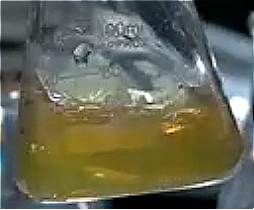
Processo di produzione
Gli omega-9 vengono estratti da fonti naturali, come l'olio d'oliva, l'olio di avocado e l'olio di mandorle dolci, attraverso metodi di spremitura a freddo. Questo processo preserva l'integrità degli acidi grassi, mantenendo così intatte le loro proprietà benefiche per l'uso in cosmetici o come integratori alimentari.
Selezione delle Materie Prime: Gli Omega-9 vengono principalmente estratti da fonti vegetali come olio d'oliva, olio di nocciola, olio di avocado e olio di mandorle. Queste fonti vengono selezionate per il loro alto contenuto di acido oleico, l'acido grasso Omega-9 più comune.
Estrazione: L'estrazione degli Omega-9 avviene attraverso metodi appropriati, come la spremitura a freddo o l'estrazione con solventi. Nella spremitura a freddo, i frutti o i semi vengono pressati meccanicamente per ottenere l'olio, mentre nell'estrazione con solvente, i materiali vegetali vengono immersi in un solvente per sciogliere gli oli.
Filtrazione: Dopo l'estrazione, gli oli ottenuti vengono filtrati per rimuovere solidi non disciolti e impurità, risultando in oli puri e di alta qualità.
Raffinazione: L'olio estratto può essere raffinato per rimuovere ulteriori impurità e migliorare il sapore e l'aspetto del prodotto finale. Questo processo può includere deodorazione e decolorazione.
Controllo Qualità e Confezionamento: Infine, gli Omega-9 vengono sottoposti a controlli di qualità per verificarne la purezza, l'efficacia e la conformità agli standard. Dopo l'analisi, vengono confezionati in contenitori appropriati per la distribuzione e l'uso in prodotti cosmetici e integratori alimentari.
Applicazioni
Cura della pelle: Gli omega-9 sono ampiamente utilizzati per la loro capacità di idratare e nutrire la pelle in profondità, migliorandone la morbidezza e la luminosità. Sono particolarmente indicati per pelli secche o mature.
Prodotti anti-invecchiamento: Gli omega-9 aiutano a migliorare l'elasticità della pelle e a ridurre la comparsa di rughe, linee sottili e segni di invecchiamento, grazie alle loro proprietà rigenerative e idratanti.
Prodotti riparatori: Grazie alla loro capacità di rinforzare la barriera lipidica della pelle, gli omega-9 sono utilizzati in prodotti che promuovono la rigenerazione cutanea e la protezione contro i danni ambientali.
Considerazioni sulla salute e sicurezza
Sicurezza d'uso
Gli omega-9 sono considerati sicuri per l'uso nei prodotti cosmetici e negli integratori alimentari. Sono generalmente ben tollerati dalla pelle e non causano irritazioni o sensibilizzazioni significative. Le principali autorità regolatorie, come l'Unione Europea e la FDA, ne approvano l'uso nei prodotti per la cura della pelle.
Reazioni allergiche
Le reazioni allergiche agli omega-9 sono rare. Tuttavia, è sempre consigliabile eseguire un patch test prima dell'uso su pelli sensibili, soprattutto se si utilizzano prodotti contenenti oli derivati da noci o frutti (come l'olio di mandorle dolci).
Tossicità e cancerogenicità
Sono noti per i loro effetti benefici sulla salute della pelle, migliorando l'idratazione e promuovendo la rigenerazione cellulare.
Considerazioni ambientali
Gli omega-9 derivano da fonti naturali rinnovabili, come l'olio d'oliva e altri oli vegetali. I metodi di estrazione a freddo utilizzati per ottenere gli omega-9 sono ecocompatibili e sostenibili, rendendo questi acidi grassi un ingrediente biodegradabile e rispettoso dell'ambiente.
Stato normativo
Gli omega-9 sono approvati per l'uso nei prodotti cosmetici dalle principali autorità regolatorie, come l'Unione Europea e la FDA negli Stati Uniti. Sono utilizzati principalmente in prodotti idratanti, emollienti e rigeneranti.
Bibliografia__________________________________________________________________________
Wang Y, Jin J, Wu G, Wei W, Jin Q, Wang X. Omega-9 monounsaturated fatty acids: a review of current scientific evidence of sources, metabolism, benefits, recommended intake, and edible safety. Crit Rev Food Sci Nutr. 2024 Feb 11:1-21. doi: 10.1080/10408398.2024.2313181.
Abstract. Omega-9 monounsaturated fatty acids (ω-9 MUFAs) are a group of unsaturated fatty acids with a unique double bond in the 9th position at the end of the methyl group terminal, having the same double bond location but different carbon chain lengths. Although knowledge about ω-9 MUFAs is constantly being updated, problems with its integration remain in the field. The review summarizes the natural sources, biosynthesis, and catabolic properties of ω-9 MUFAs, emphasizing their positive effects on health functions as well as the active intermediates produced during their metabolic processes. Subsequently, the gap between the actual consumption and recommended intake of ω-9 MUFAs in our daily diet was calculated, and their food safety and potential challenges were discussed. Finally, the outlook of potential future applications and possible research trends are presented. The review aims to promote the rational consumption of ω-9 MUFAs, provide references for their application as functional foods and clinical auxiliary special medical foods, and propose more ideas and possibilities for future scientific research.
Kumar JBS, Sharma B. A review on neuropharmacological role of erucic acid: an omega-9 fatty acid from edible oils. Nutr Neurosci. 2022 May;25(5):1041-1055. doi: 10.1080/1028415X.2020.1831262.
Abstract. Neurodegenerative diseases (ND) are characterised by loss of neurons in the brain and spinal cord. For the normal functioning of the brain, divers group of fatty acids in the form of glycerophospholipids, glycerol ether lipids, cerebrosides, sulfatides, and gangliosides are essential. They are present abundantly in the nervous system and are actively involved in both the development and maintenance of the nervous system. A dietary deficiency of essential fatty acid during development results in hypomyelination state which affects various neuronal functions. Several studies suggested that age remains the primary risk factor for almost all neurodegenerative disorders. The potential contribution of these fatty acids in the progression of neurodegenerative disorders is indispensable. Erucic acid an omega 9 fatty acid, which is obtained from edible oils has proven to cause myocardial lipidosis, heart lesions and hepatic steatosis in animals therefore, its content in edible oils is restricted to certain levels by regulatory agencies. However, erucic acid in the form of a mixture with oleic acid is often used as a dietary treatment for the management of adrenoleukodystrophy without any cardiotoxicity. Our literature search revealed that, erucic acid reported to enhance cognitive function, interact with peroxisome proliferator activated receptors (PPARs), inhibit elastase and thrombin. In this review first we have attempted to describe the relationship between fatty acids and neurodegeneration followed by a description on the pharmacology of erucic acid. The overall purpose of this review is to analyse toxic and beneficial neuropharmacological effects of erucic acid.
Medeiros-de-Moraes IM, Gonçalves-de-Albuquerque CF, Kurz ARM, Oliveira FMJ, de Abreu VHP, Torres RC, Carvalho VF, Estato V, Bozza PT, Sperandio M, de Castro-Faria-Neto HC, Silva AR. Omega-9 Oleic Acid, the Main Compound of Olive Oil, Mitigates Inflammation during Experimental Sepsis. Oxid Med Cell Longev. 2018 Nov 13;2018:6053492. doi: 10.1155/2018/6053492.
Abstract. The Mediterranean diet, rich in olive oil, is beneficial, reducing the risk of cardiovascular diseases and cancer. Olive oil is mostly composed of the monounsaturated fatty acid omega-9. We showed omega-9 protects septic mice modulating lipid metabolism. Sepsis is initiated by the host response to infection with organ damage, increased plasma free fatty acids, high levels of cortisol, massive cytokine production, leukocyte activation, and endothelial dysfunction. We aimed to analyze the effect of omega-9 supplementation on corticosteroid unbalance, inflammation, bacterial elimination, and peroxisome proliferator-activated receptor (PPAR) gamma expression, an omega-9 receptor and inflammatory modulator. We treated mice for 14 days with omega-9 and induced sepsis by cecal ligation and puncture (CLP). We measured systemic corticosterone levels, cytokine production, leukocyte and bacterial counts in the peritoneum, and the expression of PPAR gamma in both liver and adipose tissues during experimental sepsis. We further studied omega-9 effects on leukocyte rolling in mouse cremaster muscle-inflamed postcapillary venules and in the cerebral microcirculation of septic mice. Here, we demonstrate that omega-9 treatment is associated with increased levels of the anti-inflammatory cytokine IL-10 and decreased levels of the proinflammatory cytokines TNF-α and IL-1β in peritoneal lavage fluid of mice with sepsis. Omega-9 treatment also decreased systemic corticosterone levels. Neutrophil migration from circulation to the peritoneal cavity and leukocyte rolling on the endothelium were decreased by omega-9 treatment. Omega-9 also decreased bacterial load in the peritoneal lavage and restored liver and adipose tissue PPAR gamma expression in septic animals. Our data suggest a beneficial anti-inflammatory role of omega-9 in sepsis, mitigating leukocyte rolling and leukocyte influx, balancing cytokine production, and controlling bacterial growth possibly through a PPAR gamma expression-dependent mechanism. The significant reduction of inflammation detected after omega-9 enteral injection can further contribute to the already known beneficial properties facilitated by unsaturated fatty acid-enriched diets.
Gonçalves-de-Albuquerque CF, Medeiros-de-Moraes IM, Oliveira FM, Burth P, Bozza PT, Castro Faria MV, Silva AR, Castro-Faria-Neto HC. Omega-9 Oleic Acid Induces Fatty Acid Oxidation and Decreases Organ Dysfunction and Mortality in Experimental Sepsis. PLoS One. 2016 Apr 14;11(4):e0153607. doi: 10.1371/journal.pone.0153607.
Abstract. Sepsis is characterized by inflammatory and metabolic alterations, which lead to massive cytokine production, oxidative stress and organ dysfunction. In severe systemic inflammatory response syndrome, plasma non-esterified fatty acids (NEFA) are increased. Several NEFA are deleterious to cells, activate Toll-like receptors and inhibit Na+/K+-ATPase, causing lung injury. A Mediterranean diet rich in olive oil is beneficial. The main component of olive oil is omega-9 oleic acid (OA), a monounsaturated fatty acid (MUFA). We analyzed the effect of OA supplementation on sepsis. OA ameliorated clinical symptoms, increased the survival rate, prevented liver and kidney injury and decreased NEFA plasma levels in mice subjected to cecal ligation and puncture (CLP). OA did not alter food intake and weight gain but diminished reactive oxygen species (ROS) production and NEFA plasma levels. Carnitine palmitoyltransferase IA (CPT1A) mRNA levels were increased, while uncoupling protein 2 (UCP2) liver expression was enhanced in mice treated with OA. OA also inhibited the decrease in 5' AMP-activated protein kinase (AMPK) expression and increased the enzyme expression in the liver of OA-treated mice compared to septic animals. We showed that OA pretreatment decreased NEFA concentration and increased CPT1A and UCP2 and AMPK levels, decreasing ROS production. We suggest that OA has a beneficial role in sepsis by decreasing metabolic dysfunction, supporting the benefits of diets high in monounsaturated fatty acids (MUFA).
Baumann KH, Hessel F, Larass I, Müller T, Angerer P, Kiefl R, von Schacky C. Dietary omega-3, omega-6, and omega-9 unsaturated fatty acids and growth factor and cytokine gene expression in unstimulated and stimulated monocytes. A randomized volunteer study. Arterioscler Thromb Vasc Biol. 1999 Jan;19(1):59-66. doi: 10.1161/01.atv.19.1.59.
Abstract. Dietary omega-3 fatty acids retard coronary atherosclerosis. Previously, we demonstrated that dietary omega-3 fatty acids reduce platelet-derived growth factor (PDGF)-A and PDGF-B mRNA levels in unstimulated, human mononuclear cells (MNCs). In a randomized, investigator-blinded intervention trial, we have now compared the effect of ingestion of 7 g/d omega-3, omega-6, or omega-9 fatty acids for 4 weeks versus no dietary intervention on PDGF-A, PDGF-B, heparin-bound epidermal growth factor (HB-EGF), monocyte chemoattractant protein-1 (MCP-1), and interleukin-10 gene expression in unstimulated MNCs and in monocytes that were adherence-activated ex vivo in a total of 28 volunteers. In unstimulated MNCs, mRNA steady-state levels of PDGF-A, PDGF-B, and MCP-1 were reduced by 25+/-10%, 31+/-13%, and 40+/-14%, respectively, after omega-3 fatty acid ingestion, as assessed by quantitative polymerase chain reaction (all P<0.05). In monocytes that were adherence-activated ex vivo for 4 and 20 hours, mRNA steady-state levels of PDGF-A, PDGF-B, and MCP-1 were reduced by 25+/-13%, 20+/-15%, and 30+/-8%, respectively (all P<0.05). Interleukin-10 and HB-EGF mRNA steady-state levels were not influenced by omega-3 fatty acid ingestion. Expression of all respective mRNAs in control volunteers or in those ingesting omega-6 or omega-9 fatty acids were not altered. We conclude that human gene expression for PDGF-A, PDGF-B, and MCP-1, factors thought relevant to atherosclerosis, is constitutive, is constant, and can be reduced only by dietary omega-3 fatty acids in unstimulated and adherence-activated monocytes.




