Gli Omega-7 sono una categoria di acidi grassi insaturi meno conosciuti rispetto agli omega-3 e omega-6, ma che offrono notevoli benefici per la salute della pelle e per il corpo in generale. Tra gli omega-7 più importanti vi è l'acido palmitoleico, presente in fonti naturali come l'olio di olivello spinoso, l'olio di macadamia e l'olio di pesce. Questi acidi grassi sono noti per le loro proprietà rigenerative, idratanti e anti-infiammatorie. Nell'ambito cosmetico, gli omega-7 aiutano a mantenere l'elasticità della pelle, la rigenerazione cellulare e a proteggere la barriera cutanea.
Composizione chimica e struttura
Sono acidi grassi monoinsaturi con un doppio legame che si trova sul settimo atomo di carbonio dalla fine della catena. L'acido palmitoleico è il componente principale di questa classe ed è strutturalmente simile agli acidi grassi che si trovano naturalmente nel sebo umano, il che lo rende altamente compatibile con la pelle. Questa caratteristica chimica conferisce all'acido palmitoleico proprietà uniche per la protezione e la rigenerazione cutanea, contribuendo a mantenere l'integrità e l'elasticità della pelle.
Proprietà fisiche
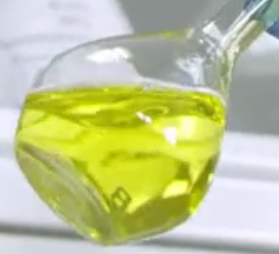
Si presentano sotto forma di oli leggeri, di colore giallo chiaro o dorato, con una consistenza vellutata. Sono solubili in oli e facilmente incorporabili in formulazioni cosmetiche come creme, sieri, lozioni e oli per la pelle. Grazie alla loro capacità di penetrare rapidamente nella pelle, senza lasciare residui untuosi, gli omega-7 sono spesso utilizzati in prodotti anti-invecchiamento e rigeneranti.
Processo di produzione
Gli omega-7 vengono estratti da fonti naturali come l'olio di olivello spinoso e l'olio di macadamia attraverso tecniche di spremitura a freddo o estrazione con CO2 supercritica. Questi metodi preservano l'integrità degli acidi grassi, mantenendo così intatte le loro proprietà biologiche. Dopo l'estrazione, gli omega-7 vengono raffinati e stabilizzati per essere utilizzati nei prodotti cosmetici e negli integratori alimentari.
Selezione delle Materie Prime: Gli Omega-7 vengono principalmente estratti da fonti vegetali come l'olio di sabughe (sea buckthorn) e l'olio di palma. Queste fonti vengono selezionate per il loro alto contenuto di acido palmitoleico, l'acido grasso Omega-7 più comune.
Estrazione: L'estrazione degli Omega-7 avviene attraverso metodi appropriati, come la spremitura a freddo o l'estrazione con solventi. Nella spremitura a freddo, i frutti o i semi vengono pressati meccanicamente per ottenere l'olio, mentre nell'estrazione con solvente, i materiali vegetali vengono immersi in un solvente per sciogliere gli oli.
Filtrazione: Dopo l'estrazione, gli oli ottenuti vengono filtrati per rimuovere solidi non disciolti e impurità, risultando in oli puri e di alta qualità.
Raffinazione: L'olio estratto può essere raffinato per rimuovere ulteriori impurità e migliorare il sapore e l'aspetto del prodotto finale. Questo processo può includere deodorazione e decolorazione.
Concentrazione: Gli Omega-7 possono essere concentrati mediante tecniche come la distillazione o la cromatografia, per aumentare la concentrazione di acido palmitoleico e migliorare l'efficacia del prodotto finale.
Controllo Qualità e Confezionamento: Infine, gli Omega-7 vengono sottoposti a controlli di qualità per verificarne la purezza, l'efficacia e la conformità agli standard. Dopo l'analisi, vengono confezionati in contenitori appropriati per la distribuzione e l'uso in prodotti cosmetici e integratori alimentari.
Applicazioni
Cura della pelle: Gli omega-7 sono ideali per migliorare l'elasticità della pelle, idratare in profondità e promuovere la rigenerazione cellulare. Sono particolarmente indicati per pelli mature, secche o danneggiate dal sole.
Prodotti anti-invecchiamento: Grazie alla loro capacità di migliorare l'elasticità e la compattezza della pelle, gli omega-7 sono spesso utilizzati nei prodotti anti-età per ridurre le rughe e le linee sottili.
Prodotti riparatori: Gli omega-7 favoriscono la guarigione della pelle danneggiata e migliorano la barriera cutanea, rendendoli utili nei prodotti lenitivi e rigeneranti, soprattutto per le pelli stressate da fattori esterni come inquinamento e raggi UV.
Considerazioni sulla salute e sicurezza
Sicurezza d'uso
Gli omega-7 sono considerati sicuri per l'uso nei cosmetici e negli integratori alimentari. Sono ben tollerati dalla pelle e non causano generalmente irritazioni o reazioni allergiche. Le principali autorità regolatorie, come l'Unione Europea e la FDA, ne consentono l'uso nei prodotti per la cura della pelle.
Reazioni allergiche
Le reazioni allergiche agli omega-7 sono rare. Tuttavia, è sempre consigliabile eseguire un patch test prima dell'uso su pelli sensibili o in caso di allergie note agli oli vegetali o ai pesci, da cui possono derivare alcuni omega-7.
Tossicità e cancerogenicità
Sono noti per i loro effetti benefici, in particolare per il loro potenziale ruolo nel migliorare la rigenerazione cutanea e combattere l'infiammazione.
Considerazioni ambientali
Gli omega-7 sono ottenuti principalmente da risorse naturali e rinnovabili come l'olivello spinoso e l'olio di macadamia. Le tecniche di estrazione, come la spremitura a freddo o l'estrazione con CO2, sono rispettose dell'ambiente, rendendo gli omega-7 un ingrediente ecocompatibile e sostenibile.
Stato normativo
Gli omega-7 sono approvati per l'uso nei prodotti cosmetici dalle principali autorità regolatorie, come l'Unione Europea e la FDA negli Stati Uniti. Sono utilizzati soprattutto nelle formulazioni per la cura della pelle, in particolare in prodotti anti-invecchiamento e rigeneranti.
Bibliografia__________________________________________________________________________
Sung HK, Kim TJ, Kim HM, Youn SJ, Choi Y, Lee NY, Oh HJ, Kwon HS, Shin SM. Anti-Wrinkle and Skin Moisture Efficacy of 7-MEGATM: A Randomized, Double-Blind, Placebo Comparative Clinical Trial. Nutrients. 2024 Jan 9;16(2):212. doi: 10.3390/nu16020212.
Abstract. 7-MEGA™ is a food product made from purified Alaska pollack fish oil containing palmitoleic acid (16:1), commonly referred to as omega-7. We sought to quantitatively evaluate whether this substance inhibits skin aging. A total of 101 middle-aged females were randomly allocated to the intervention (N = 50) or placebo group (N = 51). Each participant was advised to take either 500 mg of 7-MEGA™ or a placebo twice daily for 12 weeks. The primary outcomes were the degree of improvement in wrinkles and the degree of moisture filling after consumption for 12 weeks compared to baseline. The secondary outcomes were improvement in skin wrinkles; moisture changes at 4 and 8 weeks from baseline; changes in transdermal water loss, skin elasticity, the melanin index, the erythema index, and the Global Photo Damage Score. We found a significant improvement in skin wrinkles and elasticity at 12 weeks in the 7-MEGA™-consuming group compared to that in the placebo group; skin moisture, elasticity, and the melanin index were also improved. No supplement-related adverse reactions were observed and 7-MEGA™ was identified as safe. 7-MEGA™ was effective for human skin function in terms of wrinkles, moisture, elasticity, and melanin production and may be useful as a skin nutritional supplement.
Tokunaga Y, Yoshizaki H, Toriumi A, Kawaharada R, Ishida C, Hori M, Nakamura A. Effects of omega-7 palmitoleic acids on skeletal muscle differentiation in a hyperglycemic condition. J Vet Med Sci. 2021 Sep 3;83(9):1369-1377. doi: 10.1292/jvms.21-0309.
Abstract. Maternal obesity and diabetes are known to be involved in fetal myogenesis, but the later stages of myogenesis are not well understood. In this study, we investigated the influence of a hyperglycemic environment on L6 skeletal myoblast differentiation and the function of omega-7 palmitoleic acids. Exposure to a high concentration of glucose (25 mM) in high-glucose culture medium (HG) increased the expression of myogenic genes (MyoD, Myogenin, MRF4, Myhc2x, and Myhc2a) and the synthesis of myosin. HG also activated the PI3K/AKT pathway revealed muscle cell differentiation. Furthermore, the levels of reactive oxygen species (ROS) and an inflammatory cytokine (Tnfaip3; tumor necrosis factor alpha-induced protein 3), which are crucial for the growth and differentiation of skeletal muscle, were increased by HG. Palmitoleic acids suppressed the expression levels of myogenic regulatory genes and increased the expression level of a cell proliferation-related gene (Pax3). Trans-palmitoleic acid and eicosapentaenoic acid (TPA and EPA) increased the phosphorylation level of MAPK/ERK1/2 and downregulated ROS generation and Tnfaip3 expression. In contrast, cis-palmitoleic acid inactivated MAPK/ERK1/2, leading to increased ROS generation. In conclusion, a hyperglycemic environment mediated by HG induced excessive muscle differentiation. Palmitoleic acids inhibited myoblast differentiation by downregulating muscle-specific genes. Moreover, trans-palmitoleic acids may have beneficial antioxidant and/or anti-inflammatory effects in cells.
Ngo Njembe MT, Pachikian B, Lobysheva I, Van Overstraeten N, Dejonghe L, Verstraelen E, Buchet M, Rasse C, Gardin C, Mignolet E, Balligand JL, Larondelle Y. A Three-Month Consumption of Eggs Enriched with ω-3, ω-5 and ω-7 Polyunsaturated Fatty Acids Significantly Decreases the Waist Circumference of Subjects at Risk of Developing Metabolic Syndrome: A Double-Blind Randomized Controlled Trial. Nutrients. 2021 Feb 18;13(2):663. doi: 10.3390/nu13020663.
Abstract Alpha-linolenic acid (ALA), docosahexaenoic acid (DHA), rumenic acid (RmA), and punicic acid (PunA) are claimed to influence several physiological functions including insulin sensitivity, lipid metabolism and inflammatory processes. In this double-blind randomized controlled trial, we investigated the combined effect of ALA, DHA, RmA and PunA on subjects at risk of developing metabolic syndrome. Twenty-four women and men were randomly assigned to two groups. Each day, they consumed two eggs enriched with oleic acid (control group) or enriched with ALA, DHA, RmA, and PunA (test group) for 3 months. The waist circumference decreased significantly (-3.17 cm; p < 0.001) in the test group. There were no major changes in plasma insulin and blood glucose in the two groups. The dietary treatments had no significant effect on endothelial function as measured by peripheral arterial tonometry, although erythrocyte nitrosylated hemoglobin concentrations tended to decrease. The high consumption of eggs induced significant elevations in plasma low-density lipoprotein (LDL)- and high-density lipoprotein (HDL)-cholesterol (p < 0.001), which did not result in any change in the LDL/HDL ratio in both groups. These results indicate that consumption of eggs enriched with ALA, DHA, RmA and PunA resulted in favorable changes in abdominal obesity without affecting other factors of the metabolic syndrome.
Chen Y, Mai Q, Chen Z, Lin T, Cai Y, Han J, Wang Y, Zhang M, Tan S, Wu Z, Chen L, Zhang Z, Yang Y, Cui T, Ouyang B, Sun Y, Yang L, Xu L, Zhang S, Li J, Shen H, Liu L, Zeng L, Zhang S, Zeng G. Dietary palmitoleic acid reprograms gut microbiota and improves biological therapy against colitis. Gut Microbes. 2023 Jan-Dec;15(1):2211501. doi: 10.1080/19490976.2023.2211501.
Abstract. Magnitude and diversity of gut microbiota and metabolic systems are critical in shaping human health and diseases, but it remains largely unclear how complex metabolites may selectively regulate gut microbiota and determine health and diseases. Here, we show that failures or compromised effects of anti-TNF-α therapy in inflammatory bowel diseases (IBD) patients were correlated with intestinal dysbacteriosis with more pro-inflammatory bacteria, extensive unresolved inflammation, failed mucosal repairment, and aberrant lipid metabolism, particularly lower levels of palmitoleic acid (POA). Dietary POA repaired gut mucosal barriers, reduced inflammatory cell infiltrations and expressions of TNF-α and IL-6, and improved efficacy of anti-TNF-α therapy in both acute and chronic IBD mouse models. Ex vivo treatment with POA in cultured inflamed colon tissues derived from Crohn's disease (CD) patients reduced pro-inflammatory signaling/cytokines and conferred appreciable tissue repairment. Mechanistically, POA significantly upregulated the transcriptional signatures of cell division and biosynthetic process of Akkermansia muciniphila, selectively increased the growth and abundance of Akkermansia muciniphila in gut microbiota, and further reprogrammed the composition and structures of gut microbiota. Oral transfer of such POA-reprogrammed, but not control, gut microbiota induced better protection against colitis in anti-TNF-α mAb-treated recipient mice, and co-administration of POA with Akkermansia muciniphila showed significant synergistic protections against colitis in mice. Collectively, this work not only reveals the critical importance of POA as a polyfunctional molecular force to shape the magnitude and diversity of gut microbiota and therefore promote the intestinal homeostasis, but also implicates a new potential therapeutic strategy against intestinal or abenteric inflammatory diseases.
Guo X, Jiang X, Chen K, Liang Q, Zhang S, Zheng J, Ma X, Jiang H, Wu H, Tong Q. The Role of Palmitoleic Acid in Regulating Hepatic Gluconeogenesis through SIRT3 in Obese Mice. Nutrients. 2022 Apr 1;14(7):1482. doi: 10.3390/nu14071482.
Abstract. Hepatic gluconeogenesis is a crucial process to maintain glucose level during starvation. However, unabated glucose production in diabetic patients is a major contributor to hyperglycemia. Palmitoleic acid is a monounsaturated fatty acid (16:1n7) that is available from dietary sources. Palmitoleic acid exhibits health beneficial effects on diabetes, insulin resistance, inflammation, and metabolic syndrome. However, the mechanism by which palmitoleate reduces blood glucose is still unclear. SIRT3 is a key metabolism-regulating NAD+-dependent protein deacetylase. It is known that fasting elevates the expression of SIRT3 in the liver and it regulates many aspects of liver's response to nutrient deprivation, such as fatty acid oxidation and ketone body formation. However, it is unknown whether SIRT3 also regulates gluconeogenesis. Our study revealed that palmitoleic acid reduced hepatic gluconeogenesis and the expression of SIRT3 under high-fat diet conditions. Overexpression of SIRT3 in the liver and hepatocytes enhanced gluconeogenesis. Further study revealed that SIRT3 played a role in enhancing the activities of gluconeogenic enzymes, such as PEPCK, PC, and MDH2. Therefore, our study indicated that under a high-fat diet, palmitoleic acid decreased gluconeogenesis by reducing enzymatic activities of PEPCK, PC, and MDH2 by down-regulating the expression of SIRT3.




