



Hippophae Rhamnoides Acid is a mixture of fatty acids derived from Hippophae rhamnoides (sea buckthorn) fruit oil and seed oil. This compound contains a variety of essential fatty acids, including omega-3, omega-6, omega-7, and omega-9, which provide numerous skin benefits, such as deep hydration, cell regeneration, and protection against environmental damage. Due to its nutrient-rich composition, it is widely used in cosmetics to promote skin health, reduce inflammation, and improve skin elasticity.
Chemical Composition and Structure
It consists of a blend of unsaturated fatty acids, including linoleic acid (omega-6), alpha-linolenic acid (omega-3), palmitoleic acid (omega-7), and oleic acid (omega-9). These essential fatty acids are crucial for maintaining the integrity of the skin barrier and protecting the skin from dehydration. The presence of omega-7 fatty acids is particularly unique and offers regenerative benefits for the skin, enhancing its softness and elasticity.
Physical Properties
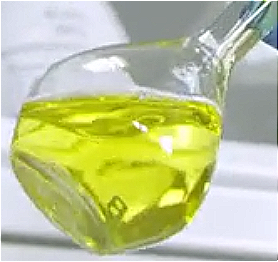
Hippophae Rhamnoides Acid appears as a viscous oil with a yellow-orange color and a slight characteristic fragrance. It is liposoluble and easily incorporated into oils, creams, and lotions for skincare. Due to its high concentration of fatty acids, it acts as a powerful emollient, improving hydration and skin flexibility.
Production Process
Hippophae Rhamnoides Acid is obtained by extracting the oils from the sea buckthorn fruit and seeds, followed by a purification process to isolate the fatty acid mixture. The extraction method can be mechanical or through supercritical CO2, which preserves the integrity of the bioactive compounds and ensures a pure, high-quality product.
Applications
Skincare: Hippophae Rhamnoides Acid is used in creams and serums for its moisturizing and regenerative properties. It is particularly beneficial for dry, mature, or damaged skin, helping to restore lipid balance and improve skin structure.
Anti-aging Products: With its ability to stimulate cell regeneration and improve skin elasticity, this ingredient is ideal for reducing signs of aging, such as wrinkles and fine lines.
Repair Products: The acid is widely used in products designed to soothe and repair skin damaged by external factors like sun exposure and pollution.
INCI Functions:
Skin conditioning agent - Emollient. Emollients have the characteristic of enhancing the skin barrier through a source of exogenous lipids that adhere to the skin, improving barrier properties by filling gaps in intercorneocyte clusters to improve hydration while protecting against inflammation. In practice, they have the ability to create a barrier that prevents transepidermal water loss. Emollients are described as degreasing or refreshing additives that improve the lipid content of the upper layers of the skin by preventing degreasing and drying of the skin. The problem with emollients is that many have a strong lipophilic character and are identified as occlusive ingredients; they are oily and fatty materials that remain on the skin surface and reduce transepidermal water loss. In cosmetics, emollients and moisturisers are often considered synonymous with humectants and occlusives.
Emulsion stabiliser. Emulsions are thermodynamically unstable. Emulsion stabilisers improve the formation and stability of single and double emulsions. as well as their shelf-life. It should be noted that in the structure-function relationship, the molar mass of the ingredient used plays an important role.
Skin conditioning agent. It is the mainstay of topical skin treatment as it has the function of restoring, increasing or improving skin tolerance to external factors, including melanocyte tolerance. The most important function of the conditioning agent is to prevent skin dehydration, but the subject is rather complex and involves emollients and humectants that can be added in the formulation.
Surfactant - Cleansing agent. Cosmetic products used to cleanse the skin utilise the surface-active action that produces a lowering of the surface tension of the stratum corneum, facilitating the removal of dirt and impurities.
Health and Safety Considerations
Safety in Use
Hippophae Rhamnoides Acid is considered safe for use in cosmetic products. It is well tolerated by the skin and does not generally pose risks of irritation or sensitization. Major regulatory authorities, such as the European Union and the FDA, approve its use in cosmetic formulations.
Allergic Reactions
Allergic reactions to Hippophae Rhamnoides Acid are rare, but it is always advisable to perform a patch test before use, especially on sensitive skin.
Toxicity and Carcinogenicity
It is considered safe and beneficial for skin due to its nourishing and regenerative properties.
Environmental Considerations
Hippophae Rhamnoides Acid is derived from a renewable and sustainable resource. Sea buckthorn plants are often grown organically, and the oil extraction process is environmentally friendly. The product is biodegradable and does not negatively impact the environment.
Sea buckthorn (Hippophae rhamnoides) Studies
From the leaves and berries of the sea buckthorn (Hippophae rhamnoides) is extracted chloroform and n-hexane, components with intense antibacterial activity (1).
It is a rich source of vitamins C and E, carotenoids, flavonoids, anthocyanins, organic acids, amino acids, sterols, triterpenols and isoprenols (2) with an antioxidant activity.
The berries produce an oil containing carotenoids, palmitic, palmitolic and oleic acid, while the seed oil is composed of linoleic, linolenic and oleic acid as main components (3) .
This oil has traditionally been used to improve blood circulation and for the treatment of dermatological problems including wounds, gastritis, peptic ulcers, uterine erosion and inflammatory disorders of the genital organs (4).
Sea buckthorn has significant cardioprotective activity and a positive effects on the healing of the cardiovascular system, including inhibition of platelet activation (in particular platelet aggregation), reduction of cholesterol concentration, blood pressure and antioxidant action (5).
In this study, a positive evaluation of the topical effects on atopic lesions as it improved the severity of dermatitis by reducing epidermal thickness (6).
The results of this study on the extract of Sea buckthorn, provide a basis for affordable, low side-effect therapy for the treatment of psoriasis (7).
Cosmetics
It produces a regenerating effect on the skin produced by carotenoids, vitamin E and unsaturated fats contained in the pulp and seeds.
Other applications
It is placed in foods, candies, to give a particular taste.
Sea buckthorn studies

