



Xanthones are a class of natural polyphenolic compounds known for their potent antioxidant, anti-inflammatory, and antimicrobial properties. They are found in various plants (Hypericum bellum, Swertia chirata), with one of the most well-known sources being the mangosteen fruit (Garcinia mangostana). Xanthones are often used in skincare products and dietary supplements for their ability to protect cells from oxidative damage, reduce inflammation, and improve overall skin health.
Chemical Composition and Structure
Xanthones have a tricyclic ring structure with a ketone group. Their general formula is C13H8O2. This structure allows xanthones to bind to free radicals and neutralize their harmful potential, making them powerful antioxidants. There are over 200 types of xanthones, each with slight variations in chemical structure that determine specific biological properties.
Physical Properties
They appear as yellowish or white crystalline powders, soluble in organic solvents such as alcohol and acetone but poorly soluble in water. Due to their polyphenolic nature, they are highly stable and remain effective even under variable environmental conditions.

Production Process
Xanthones are extracted from natural sources such as mangosteen fruit and other tropical plants through solvent extraction processes or supercritical extraction methods, followed by purification to isolate the active compound. They can also be synthesized in the laboratory, though natural extraction is more common for food and cosmetic use.
Harvesting of Raw Materials: Xanthones are extracted from plant sources, such as the rind of the fruit of Garcinia mangostana (mangosteen) or other plants rich in xanthones. Harvesting must be done sustainably to ensure the quality of the plants.
Drying: After harvesting, the plant parts are cleaned and subjected to a drying process to remove moisture. This step is crucial for preserving the active properties of the xanthones and facilitating subsequent extraction.
Extraction: The extraction of xanthones occurs using appropriate solvents, such as ethanol, methanol, or water. The dried plant parts are immersed in the solvent, and the mixture is agitated or heated to promote the release of bioactive compounds.
Filtration: Once the extraction process is complete, the obtained solution is filtered to remove undissolved solids, resulting in a liquid extract containing the xanthones.
Purification: The extract may be further purified using techniques such as chromatography to isolate specific xanthones and ensure a high-purity product.
Quality Control and Packaging: Finally, the extracted xanthones undergo quality control checks to verify their purity and functional properties. After analysis, they are packaged for distribution and use in dietary supplements and cosmetic products.
Applications
Medical: Preclinical data have been observed and evaluated which may support the remarkable potential of xanthones as an antitumoral agent.
Skincare: Xanthones are widely used in anti-aging skincare products for their antioxidant properties, which help prevent free radical damage and improve skin elasticity and radiance.
Anti-inflammatory Products: Due to their ability to reduce inflammation, xanthones are used in soothing products for irritated or redness-prone skin and in dermatological conditions like acne or dermatitis.
Dietary Supplements: Xanthones are often included in supplements for their general health benefits, improving the immune system and protecting cells from oxidative damage.
Health and Safety Considerations
Safety in Use
Xanthones are generally considered safe for use in cosmetics and dietary supplements. No significant side effects have been reported when used in appropriate concentrations. However, as with any natural ingredient, it is always advisable to consult a healthcare provider before starting a new supplement, especially for individuals with pre-existing health conditions.
Allergic Reactions
Allergic reactions to xanthones are rare, but they can occur in individuals sensitive to certain polyphenols. For topical use, it is recommended to perform a patch test to check for skin tolerance.
Toxicity and Carcinogenicity
In fact, their antioxidant effects have been associated with a potential role in the prevention of conditions related to oxidative stress, including some types of cancer.
Environmental Considerations
As natural compounds derived from renewable plant sources, xanthones pose no significant environmental risks. However, sustainable harvesting of plants such as mangosteen is important to avoid overharvesting and maintain ecosystem balance.
Regulatory Status
Xanthones are approved for use in cosmetics and dietary supplements by major regulatory authorities, including the European Union and the FDA in the United States. However, labeling and maximum usage concentrations may vary depending on local regulations.
Conclusion
Xanthones are powerful natural compounds known for their antioxidant, anti-inflammatory, and antimicrobial properties. They are used in a wide range of skincare products and dietary supplements to protect the skin from environmental damage, reduce inflammation, and improve overall health. Due to their safety and versatility, xanthones remain a key ingredient in cosmetic formulations and wellness products.
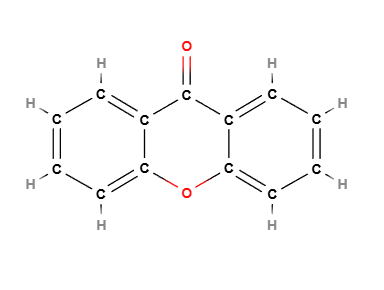 | 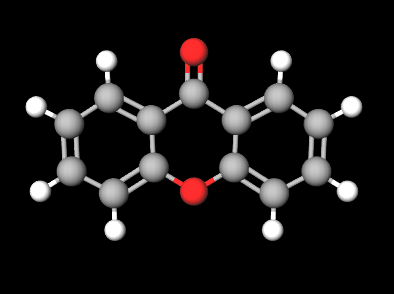 |
Molecular Formula C13H8O2
Molecular Weight 196.20 g/mol
CAS 90-47-1
UNII 9749WEV0CA
EC Number 201-997-7
CHEMBL186784
DTXSID6021795
Synonyms:
Xanthen-9-one
9-Xanthenone

