



Royal jelly acid, best known as 10-Hydroxydecenoic Acid is a medium-chain unsaturated fatty acid naturally found in royal jelly, a substance produced by bees to nourish larvae and queen bees. It is known for its antibacterial, anti-inflammatory, and moisturizing properties. This acid is widely used in cosmetic and skincare products for its ability to enhance the skin's barrier function and protect against infections and inflammation. It is also studied for its potential anti-aging and skin-regenerating effects.
Chemical Composition and Structure
It is a medium-chain fatty acid with 10 carbon atoms, containing a hydroxyl group (-OH) and a double bond in its chemical structure. This unique structure provides biological properties that enhance skin barrier function due to its balance between water solubility and lipid compatibility.
Physical Properties
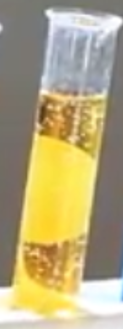
It appears as a light yellow liquid or crystalline powder. It is slightly soluble in water but highly soluble in oils and organic solvents. It has a characteristic odor similar to royal jelly and can be used in cosmetic formulations such as emulsions, serums, and facial creams.
Production Process
10-Hydroxydecenoic Acid is primarily extracted from royal jelly through purification and refinement processes. This ensures that the acid retains its active biological properties and purity. In some applications, it may also be synthetically produced to ensure high purity and stability.
Extraction of Raw Materials: 10-Hydroxydecenoic acid can be extracted from natural sources such as the secretions of a larva of an insect called Apis cerana (honeybee). This step involves collecting the secretions containing the compound.
Extraction and Purification: The secretions are subjected to an extraction process using appropriate solvents, such as ethanol or methanol. This helps isolate 10-hydroxydecenoic acid from other components. Once extracted, the acid is purified through filtration or chromatography to ensure maximum purity.
Chemical Synthesis (If Necessary): Alternatively, 10-hydroxydecenoic acid can be produced synthetically by reacting unsaturated fatty acids with specific chemical agents to achieve the desired structure.
Quality Control: Once purified, 10-hydroxydecenoic acid undergoes stringent quality control checks to verify its purity, stability, and efficacy. This may include chemical and microbiological analyses.
Packaging: After passing quality control, 10-hydroxydecenoic acid is packaged in appropriate containers for distribution and use in cosmetic and skincare products.
Applications
Skincare: Used in creams and serums for its anti-inflammatory and antibacterial properties, 10-Hydroxydecenoic Acid is effective in treating acne, irritation, and improving overall skin health.
Anti-aging Products: Due to its regenerative properties, it is employed in anti-aging products to stimulate cell regeneration and improve skin elasticity and firmness.
Moisturizing Formulations: Found in lotions and creams for its ability to strengthen the skin barrier and prevent moisture loss.
Health and Safety Considerations
Safety in Use
10-Hydroxydecenoic Acid is generally considered safe for use in cosmetic products. It is well tolerated by the skin and does not cause significant irritation, making it suitable for sensitive skin. Its natural origin increases its popularity among consumers who prefer organic and natural ingredients.
Allergic Reactions
Allergic reactions are rare but may occur in individuals sensitive to bee products. In such cases, a patch test is recommended before use.
Toxicity and Carcinogenicity
It has been widely studied for its biological properties and is considered safe for use in cosmetics and skincare products.
Environmental Considerations
As a natural product derived from royal jelly, 10-Hydroxydecenoic Acid is biodegradable and has a low environmental impact. However, royal jelly extraction should be carried out sustainably to avoid negative effects on bee ecosystems.
Regulatory Status
10-Hydroxydecenoic Acid is approved for use in cosmetics by major regulatory authorities, such as the European Union and the Food and Drug Administration (FDA) in the United States.
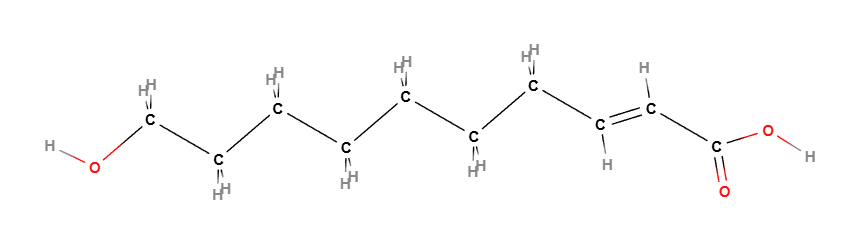 | 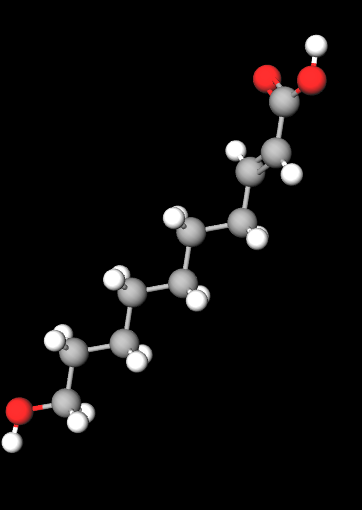 |
Molecular Formula C10H18O3
Molecular Weight 186.25 g/mol
CAS 765-01-5 14113-05-4
UNII 76B519G7TJ
EC Number 808-119-7
DTXSID601045504
Synonyms:
Royal jelly acid
10-Hydroxy-2-decenoic acid
10-hydroxydec-2-enoic acid
10-Hydroxy-trans-2-decenoic acid

