Pigment Red 68: proprietà, usi, pro, contro, sicurezza, alternative
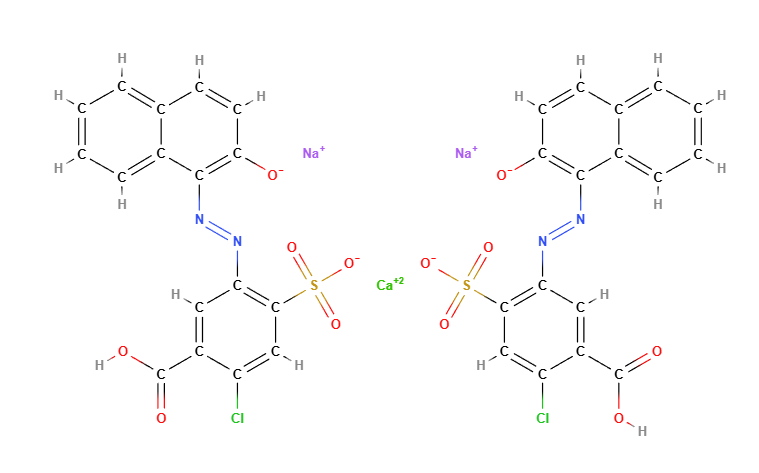
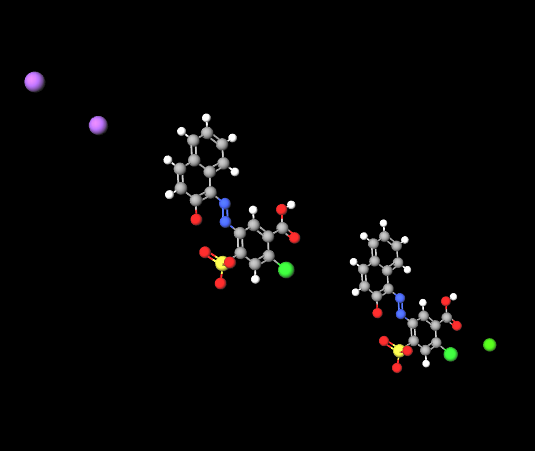
Pigment Red 68 è un composto chimico, un colorante sintetico azoico rosso conosciuto anche come CI 15525
Nome chimico:
calcium;disodium;4-carboxy-5-chloro-2-[(2-oxidonaphthalen-1 yl)diazenyl]benzenesulfonate
A cosa serve e dove si usa
Cosmetica - Funzioni INCI
Colorante. E' un ingrediente che rende il prodotto finale più attraente dal punto di vista estetico, ma può rappresentare un potenziale rischio per la salute umana con effetti collaterali indesiderati in special modo quando viene utilizzato continuativamente in quanto può essere assorbito dalla pelle o dalle mucose.
Ingrediente cosmetico soggetto a restrizioni IV/22 come Voce pertinente negli allegati del regolamento europeo sui cosmetici n. 1223/2009. Sostanza o ingrediente segnalato: Calcium disodium bis[2-chloro-5-[(2-hydroxy-1-naphthyl)azo]-4-sulphonatobenzoate]
Alternative
| Opzione (INCI) | Tipo di prodotto | Vantaggi principali |
|---|
| CI 77491 (Iron Oxides) | Pigmento minerale rosso | Elevata stabilità (luce/calore), buona coprenza, adatto a rossi matt/terrosi e a blend per modulare il tono. |
| Mica (CI 77019) | Pigmento minerale effetto (perlato) | Dona luminosità e “sheen” (non un rosso pieno da sola), migliora scorrevolezza e payoff, utile in make-up per effetti rosati/rossi perlati in miscela. |
Il problema legato ai coloranti azoici (monoazo o diazo) è la degradazione fotocatalitica che porta ad un'eventuale ossidazione ed alla successiva formazione di impurità come le ammine aromatiche alcune delle quali svolgono attività cancerogena (1).
Molecular Formula C34H18CaCl2N4Na2O12S2
Molecular Weight 895.6 g/mol
CAS 5850-80-6
EC number 227-456-5
UNII 8G74PB649I
DTXSID2064024
Synonyms:
CI 15525
PERMANENT RED NCR
PERMANENT RED TONER NCR
Bibliografia_____________________________________________________________________
(1) Chung KT, Stevens SE Jr, Cerniglia CE. The reduction of azo dyes by the intestinal microflora. Crit Rev Microbiol. 1992;18(3):175-90. doi: 10.3109/10408419209114557.
Abstract. Azo dyes are widely used in the textile, printing, paper manufacturing, pharmaceutical, and food industries and also in research laboratories. When these compounds either inadvertently or by design enter the body through ingestion, they are metabolized to aromatic amines by intestinal microorganisms. Reductive enzymes in the liver can also catalyze the reductive cleavage of the azo linkage to produce aromatic amines. However, evidence indicates that the intestinal microbial azoreductase may be more important than the liver enzymes in azo reduction. In this article, we examine the significance of the capacity of intestinal bacteria to reduce azo dyes and the conditions of azo reduction. Many azo dyes, such as Acid Yellow, Amaranth, Azodisalicylate, Chicago Sky Blue, Congo Red, Direct Black 38, Direct Blue 6, Direct Blue 15, Direct Brown 95, Fast Yellow, Lithol Red, Methyl Orange, Methyl Red, Methyl Yellow, Naphthalene Fast Orange 2G, Neoprontosil, New Coccine, Orange II, Phenylazo-2-naphthol, Ponceau 3R, Ponceau SX, Red 2G, Red 10B, Salicylazosulphapyridine, Sunset Yellow, Tartrazine, and Trypan Blue, are included in this article. A wide variety of anaerobic bacteria isolated from caecal or fecal contents from experimental animals and humans have the ability to cleave the azo linkage(s) to produce aromatic amines. Azoreductase(s) catalyze these reactions and have been found to be oxygen sensitive and to require flavins for optimal activity. The azoreductase activity in a variety of intestinal preparations was affected by various dietary factors such as cellulose, proteins, fibers, antibiotics, or supplementation with live cultures of lactobacilli.