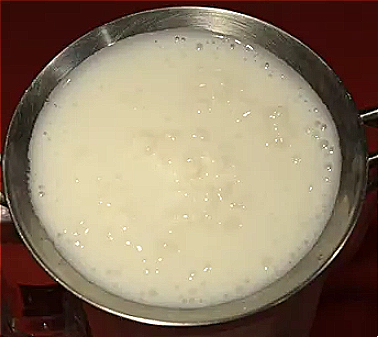
Lactobacillus acidophilus è un tipo di batterio probiotico che è comunemente utilizzato per migliorare la salute intestinale. Si trova naturalmente nel tratto gastrointestinale e nella vagina, dove aiuta a mantenere un equilibrio sano della flora microbica. Questo probiotico è ampiamente utilizzato nei supplementi alimentari e in alcuni alimenti fermentati, come lo yogurt e il kefir.
Il nome definisce la struttura della molecola:
Lactobacillus è un genere di batteri che fanno parte della famiglia dei lattobacilli. Sono noti per la loro capacità di convertire gli zuccheri in acido lattico, un processo che li rende cruciali nella fermentazione del latte e in altre fermentazioni alimentari.
acidophilus deriva dal latino e significa "che ama l'acido". Questo termine si riferisce alla preferenza di questi batteri per ambienti acidi, dove possono crescere e prosperare efficacemente.
Processo di produzione industriale
Preparazione del ceppo. Si inizia con la selezione di un ceppo puro di Lactobacillus acidophilus che viene coltivato in un terreno di coltura sterile adeguato alle sue esigenze nutritive.
Fermentazione. Il ceppo viene inoculato in un bioreattore contenente un mezzo di coltura ricco di nutrienti, come lattosio e altri zuccheri, sotto condizioni controllate di temperatura, pH, e ossigenazione.
Monitoraggio. Durante la fermentazione, la crescita del batterio è costantemente monitorata per assicurare condizioni ottimali e prevenire la contaminazione.
Raccolta. Dopo che la crescita ha raggiunto il picco ottimale, i batteri vengono raccolti tramite centrifugazione o filtrazione.
Liofilizzazione. I batteri raccolti vengono spesso liofilizzati per rimuovere l'acqua e aumentare la stabilità e la durata di conservazione del prodotto.
Formulazione. Il prodotto liofilizzato può essere poi formulato in diverse forme, come capsule, polveri o liquidi, a seconda dell'uso finale.
Controllo qualità. Ogni lotto di Lactobacillus acidophilus prodotto viene sottoposto a test di qualità per verificare la vitalità, la purezza e l'assenza di patogeni.
A cosa serve e dove si usa
Lactobacillus acidophilus è efficace nel trattare e prevenire le infezioni da lieviti, nelle diarree associate agli antibiotici, e può contribuire alla salute generale del sistema immunitario. È anche esplorato per il suo ruolo potenziale nel ridurre il colesterolo e nel migliorare i sintomi dell'eczema.
Lactobacillus acidophilus è un tipo di batterio probiotico (1) che fa parte della flora intestinale umana e viene comunemente utilizzato in integratori alimentari e alcuni prodotti alimentari. È noto per i suoi benefici sulla salute digestiva e sul sistema immunitario.
Digestione. Aiuta a mantenere un equilibrio sano della flora intestinale, promuovendo la digestione e aiutando a prevenire disturbi come la diarrea e il colon irritabile (2).
Assorbimento. Migliora l'assorbimento di nutrienti come vitamine e minerali, contribuendo a una nutrizione ottimale.
Prevenzione. Compete con i patogeni per lo spazio e le risorse nel tratto intestinale, riducendo il rischio di infezioni come quelle da lieviti e batteri nocivi.
Salute Immunitaria. Stimola il sistema immunitario, aumentando la produzione di anticorpi e promuovendo una risposta immunitaria sana (3).
Tolleranza al lattosio. Aiuta a scomporre il lattosio, migliorando la digestione del latte e dei prodotti lattiero-caseari nelle persone intolleranti al lattosio (4).
Forme. Disponibile in capsule, polveri, yogurt e altri prodotti fermentati, offrendo una varietà di opzioni per integrare questo probiotico nella dieta.
(1) Chamberlain CA, Hatch M, Garrett TJ. Metabolomic profiling of oxalate-degrading probiotic Lactobacillus acidophilus and Lactobacillus gasseri. PLoS One. 2019 Sep 23;14(9):e0222393. doi: 10.1371/journal.pone.0222393.
Abstract. Oxalate, a ubiquitous compound in many plant-based foods, is absorbed through the intestine and precipitates with calcium in the kidneys to form stones. Over 80% of diagnosed kidney stones are found to be calcium oxalate. People who form these stones often experience a high rate of recurrence and treatment options remain limited despite decades of dedicated research. Recently, the intestinal microbiome has become a new focus for novel therapies. Studies have shown that select species of Lactobacillus, the most commonly included genus in modern probiotic supplements, can degrade oxalate in vitro and even decrease urinary oxalate in animal models of Primary Hyperoxaluria. Although the purported health benefits of Lactobacillus probiotics vary significantly between species, there is supporting evidence for their potential use as probiotics for oxalate diseases. Defining the unique metabolic properties of Lactobacillus is essential to define how these bacteria interact with the host intestine and influence overall health. We addressed this need by characterizing and comparing the metabolome and lipidome of the oxalate-degrading Lactobacillus acidophilus and Lactobacillus gasseri using ultra-high-performance liquid chromatography-high resolution mass spectrometry. We report many species-specific differences in the metabolic profiles of these Lactobacillus species and discuss potential probiotic relevance and function resulting from their differential expression. Also described is our validation of the oxalate-degrading ability of Lactobacillus acidophilus and Lactobacillus gasseri, even in the presence of other preferred carbon sources, measuring in vitro 14C-oxalate consumption via liquid scintillation counting.
(2) Kim HS, Gilliland SE. Lactobacillus acidophilus as a dietary adjunct for milk to aid lactose digestion in humans. J Dairy Sci. 1983 May;66(5):959-66. doi: 10.3168/jds.S0022-0302(83)81887-6.
Abstract. The effect of Lactobacillus acidophilus on lactose utilization of humans was determined by our comparing the amount of hydrogen excreted in their breath after consuming milk containing either 0, 2.5 X 10(6), 2.5 X 10(7), or 2.5 X 10(8) Lactobacillus acidophilus/ml daily for 6 days. Consumption of milk without cells of Lactobacillus acidophilus for 1 wk did not affect lactose utilization. Milk containing either 2.5 X 10(6) or 2.5 X 10(8) Lactobacillus acidophilus/ml improved lactose utilization. However, consumption of milk containing an intermediate 2.5 X 10(7)/ml did not improve utilization based on comparison of group means before and after consuming the test milk. The lack of a significant effect for the latter group of test subjects was probably due to large increases of excreted hydrogen on day 7 as compared to day 0 by two of the six test subjects. The beneficial effect of Lactobacillus acidophilus was immediate and did not require that milk be consumed daily. Improved digestion of lactose was not due to hydrolysis of the lactose prior to consumption, which indicated that the beneficial effect must have occurred in the digestive tract after consumption of milk containing L. acidophilus.
(3) Zhuo Q, Yu B, Zhou J, Zhang J, Zhang R, Xie J, Wang Q, Zhao S. Lysates of Lactobacillus acidophilus combined with CTLA-4-blocking antibodies enhance antitumor immunity in a mouse colon cancer model. Sci Rep. 2019 Dec 27;9(1):20128. doi: 10.1038/s41598-019-56661-y.
Abstract. Previous reports have suggested that many gut microbiomes were associated with the development of colorectal cancer (CRC), and could modulate response to numerous forms of cancer therapy, including checkpoint blockade immunotherapy. Here we evaluated the protective efficacy of Lactobacillus acidophilus (L. acidophilus) cell lysates combined with an anti-CTL antigen-4 blocking antibody (CTLA-4 mAb) in syngeneic BALB/c mice CRC models induce by a single intraperitoneal injection of 10 mg/kg azoxymethane (AOM), followed by three cycles of 2% dextran sulfate sodium (DSS) in drinking water. In contrast to CTLA-4 mAb monotherapy, L. acidophilus lysates could attenuate the loss of body weight and the combined administration significantly protected mice against CRC development, which suggested that the lysates enhanced antitumor activity of CTLA-4 mAb in model mice. The enhanced efficacy was associated with the increased CD8 + T cell, increased effector memory T cells (CD44 + CD8 + CD62L+), decreased Treg (CD4 + CD25 + Foxp3+) and M2 macrophages (F4/80 + CD206+) in the tumor microenvironment. In addition, our results revealed that L. acidophilus lysates had an immunomodulatory effect through inhibition the M2 polarization and the IL-10 expressed levels of LPS-activated Raw264.7 macrophages. Finally, the 16S rRNA gene sequencing of fecal microbiota demonstrated that the combined administration significantly inhibited the abnormal increase in the relative abundance of proteobacteria and partly counterbalance CRC-induced dysbiosis in model mice. Overall, these data support promising clinical possibilities of L. acidophilus lysates with CTLA-4 mAb in cancer patients and the hypothesis that probiotics help shape the anticancer immune response.
(4) Saltzman JR, Russell RM, Golner B, Barakat S, Dallal GE, Goldin BR. A randomized trial of Lactobacillus acidophilus BG2FO4 to treat lactose intolerance. Am J Clin Nutr. 1999 Jan;69(1):140-6. doi: 10.1093/ajcn/69.1.140.
Abstract. Background: Lactose intolerance is the most common disorder of intestinal carbohydrate digestion. Lactobacillus acidophilus BG2FO4 is a strain of lactobacilli with properties of marked intestinal adherence and high beta-galactosidase activity. Objective: This study was designed to determine whether oral feeding of Lactobacillus acidophilus BG2FO4 leads to a lactose-tolerant state....Conclusions: Lactose intolerance is overreported in subjects with gastrointestinal symptoms after lactose ingestion. Treatment of lactose-maldigesting subjects with and without hypochlorhydria with Lactobacillus acidophilus BG2FO4 for 7 d failed to change breath-hydrogen excretion significantly after lactose ingestion.