



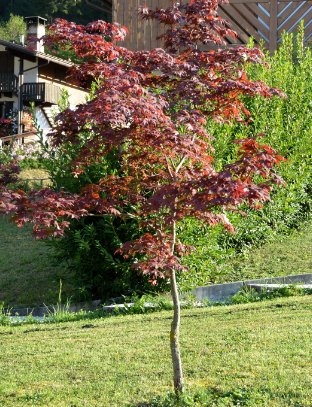
Maple syrup is a natural sweetener made by concentrating the sap of the maple tree (Acer saccharum Marsh.). It is known for its rich and distinctive flavor, in addition to nutritional benefits compared to other refined sweeteners.
Benefits
Natural Alternative to Refined Sugar. Maple sugar can be used as a natural substitute for white sugar or honey in baking recipes, hot beverages, and other dishes.
Rich in Antioxidants. It contains natural antioxidants, including minerals like manganese and zinc, which contribute to fighting free radicals and supporting the immune system.
Lower Glycemic Index. It has a slightly lower glycemic index compared to refined sugar (1), which may help with better blood sugar level management.
Distinctive Flavor. It adds a unique flavor note to sweets and dishes, enriching classic recipes with a complexity of taste that goes beyond mere sweetness.
Versatile Use in Cooking. It can be used in a variety of ways, from a sweetener for coffee and tea to an ingredient in marinades, sauces, and vinaigrettes.
Sustainability. The production of maple sugar is considered sustainable, as maple trees are not harmed during the sap collection process and can continue to grow and produce for years.
Industrial Production Process
- Sap Collection. Maple syrup production begins in spring when nighttime temperatures below freezing and daytime temperatures above freezing stimulate the flow of sap in sugar maple trees. Sap is collected by drilling small holes in the trees' trunks and placing containers or tubing systems to catch the sap.
- Sap Concentration. The collected sap, which is mostly water with about 2% sugar, is concentrated through evaporation. This process is carried out in a "sugar shack" using an evaporator, which removes water from the sap and increases the sugar concentration to 66% or more, the required point for maple syrup.
- Filtration. After evaporation, the syrup is filtered to remove impurities and sediments to ensure the finished syrup is clear and pure.
- Bottling. The hot maple syrup is then bottled in sterilized containers. Hot bottling ensures the sterility of the syrup and prevents mold formation.
- Quality Control. Before distribution, maple syrup undergoes quality checks to ensure it meets standards for purity, density, and flavor. The syrup is also graded based on color and taste.

