

Hello, Guest!


  Objects Tiiips Categories
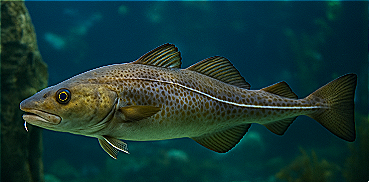
Cod
"Descrizione"
by Al222 (23438 pt)
2025-Nov-16 11:48

Review Consensus: 10 Rating: 10 Number of users: 1
Evaluation  N. ExpertsEvaluation  N. Experts
1
  
6
  
2
  
7
  
3
  
8
  
4
  
9
  
5
  
10
  1

Cod
(Gadus morhua and related species – fresh, frozen, dried/salted, battered/breaded, canned)


Description

  • Cod (especially Atlantic cod, Gadus morhua, and Pacific cod, Gadus macrocephalus), is a demersal white, lean fish with very mild flavour and high culinary versatility.

  • Sold simply as “cod” or under regional names (e.g. “cod fillets”, “Atlantic cod”, “Pacific cod”), and in some markets used as a generic term for “cod-like” species.

  • Main commercial forms:

    • Fresh or chilled fillets and loins, with or without skin;

    • Frozen fillets, loins, portions;

    • Dried and/or salted cod (stockfish, salted cod / “baccalà”);

    • Value-added products: fish fingers/sticks, battered or breaded cod, burgers, ready meals, soups and canned products.

Indicative nutritional values (per 100 g raw Atlantic cod, edible portion)

(Typical ranges; vary with species, catch area and water/fat content.)

  • Energy: 70–90 kcal

  • Water: ≈ 78–83 g

  • Protein: 17–20 g

  • Total fat: 0.5–1.0 g

    • First occurrence: SFA/MUFA/PUFA = saturated/monounsaturated/polyunsaturated fatty acids. In cod, total fat is very low, with SFA often < 0.3 g/100 g and small but qualitatively useful amounts of MUFA and PUFA (including omega-3). Overall, the lipid profile is very favourable, because cod adds almost no saturated fat to the diet.

  • Carbohydrates: 0 g

  • Cholesterol: ≈ 40–60 mg

  • Sodium (intrinsic, no added salt): ≈ 50–70 mg

Indicative micronutrients (per 100 g raw)

  • Selenium: ≈ 30–40 µg

  • Phosphorus: ≈ 200–250 mg

  • Potassium: ≈ 250–350 mg

  • Iodine: generally present in meaningful amounts (marine species)

  • B vitamins:

    • Niacin (B3): ≈ 2–4 mg

    • Vitamin B6: ≈ 0.2–0.3 mg

    • Vitamin B12: ≈ 1–2 µg

  • Long-chain omega-3 (EPA + DHA): typically ~200–300 mg/100 g, with variability.

Dried/salted cod (stockfish, salted cod “baccalà”)

  • Loss of water concentrates nutrients:

    • Energy: ≈ 250–320 kcal/100 g

    • Protein: ≈ 45–65 g/100 g

    • Total fat: still low (≈ 2–4 g/100 g)

    • Sodium extremely high (often > 5 g/100 g before soaking); soaking/desalting is essential to reduce salt content.


Key constituents

  • Proteins

    • High biological value (BV) proteins with a full complement of essential amino acids.

    • Good levels of BCAA (leucine, isoleucine, valine), useful for muscle metabolism and maintenance.

  • Lipids

    • Very low fat content in the flesh.

    • By contrast, cod liver (a separate ingredient) is very rich in fat, especially omega-3 EPA/DHA and vitamins A and D.

  • Vitamins and minerals

    • Good source of selenium, phosphorus, potassium and iodine.

    • Meaningful amounts of vitamins B3 and B12.

  • Other components

    • Parvalbumin, the main fish allergen.

    • Histamine levels are usually low if the cold chain is respected (cod is not among the highest histamine-risk species).

Culinary Uses

Baking: Cod is often baked with various seasonings, herbs, and sauces. Baking retains the moisture in the fish and allows it to absorb the flavors.

Frying: Cod is a popular choice for fish and chips. It can be battered and deep-fried to create a crispy coating while maintaining the tender flesh inside.

Grilling: Grilling cod over an open flame or on a grill pan can impart a smoky flavor and create grill marks for added visual appeal.

Poaching: Cod can be poached in simmering liquid, such as a court bouillon, to keep it moist and flavorful.

Pan-Searing: Searing cod in a hot skillet with oil or butter can result in a golden-brown crust while keeping the inside flaky and tender.

Broiling: Cod fillets or steaks can be broiled in the oven with seasonings and a drizzle of olive oil for a quick and flavorful preparation.

Fish Tacos: Cod is a common choice for making fish tacos. It's often seasoned with spices and served in tortillas with various toppings and sauces.

Culinary Pairings

Lemon and Herbs: Cod pairs well with lemon juice and herbs like parsley, dill, and tarragon for a fresh and aromatic flavor.

Tomatoes and Olives: Cod can be combined with tomatoes, olives, and capers for Mediterranean-inspired dishes.

Potatoes: Cod is traditionally served with potatoes in dishes like "Bacalao a la Vizcaína" or "Fisherman's Pie."

Garlic and Butter: Garlic butter is a classic accompaniment to cod, enhancing its flavor with rich, savory notes.

Other Uses

Fishery: Cod is a commercially important fish species, and it supports extensive fisheries in various parts of the world.

Fish Farming: In addition to wild-caught cod, there is also a growing aquaculture industry for cod, which helps meet the demand for this popular fish.

Conservation: In some regions, cod populations have faced overfishing and conservation efforts have been put in place to protect and restore their numbers.

Production process

  • Fishing

    • Caught using trawl nets, longlines, gillnets and other gears in North Atlantic and North Pacific waters.

    • Often headed and gutted on board, washed and rapidly chilled (ice, refrigerated seawater).

  • Primary processing

    • At processing plants: evisceration (if needed), filleting, trimming, skinning, pin-bone removal.

    • Grading by size, with/without skin.

    • Packaging of fresh product in ice, vacuum packs or MAP for the chilled chain.

  • Freezing

    • Rapid freezing (IQF, plate, tunnel) and glazing to protect against dehydration.

    • Storage at low temperature throughout the supply chain.

  • Drying and salting (stockfish/salted cod)

    • Dry salting (salt layers) or brining, sometimes combined with partial drying.

    • Air drying (traditional outdoor racks) or controlled drying in facilities.

    • Packing in cartons or bags with instructions for soaking/desalting before use.

  • Value-added products

    • Fish fingers, battered/breaded fillets, burgers: forming, battering/breading, prefrying (if applicable), freezing.

    • Ready meals and soups: portioning, cooking, filling, chilling or freezing.


Physical properties

  • Flesh is white to off-white, slightly translucent when raw and becoming bright white and opaque after cooking.

  • Structure made of thick, layered flakes that separate easily.

  • Texture is generally tender and delicate, but holds together well when cooked correctly.

  • Very low fat means less tendency to rancidity than fatty fish, but higher risk of drying out in frozen storage if glazing/protection are insufficient.


Sensory and technological properties

  • Flavour:

    • very mild, slightly sweet taste and low “fishiness”;

    • pairs easily with subtle seasonings as well as strong flavours (garlic, herbs, tomato, spices).

  • Texture:

    • tender but reasonably firm, suitable for steaming, baking, frying and stews;

    • flakes easily, which is advantageous in soups/chowders but requires gentle handling in coated products.

  • Cooking behaviour:

    • tends to dry out if overcooked, due to very low fat;

    • excellent for steaming, poaching, baking in foil, stewing, frying, and for use in fish cakes and brandade-type preparations;

    • in battered/breaded products, the coating and any sauces help preserve moisture.


Food applications

  • Home cooking and foodservice

    • Grilled, baked, steamed, poached or pan-fried fillets and loins.

    • Cod in tomato-based stews, with potatoes, pulses or vegetables.

    • Traditional salted cod dishes (e.g. fritters, stews, brandade/mantecato).

    • Fish soups, chowders, mixed seafood dishes.

  • Food industry

    • Fish sticks/fingers, nuggets, burgers, breaded fillets.

    • Frozen ready meals (fillets in sauce, gratins).

    • Canned or jarred cod (steamed or cooked pieces in brine or oil).

    • Ingredient cubes/flakes for soups, sauces, ready-to-heat dishes.


Nutrition & health

  • Cod is a very lean, high-protein fish, contributing:

    • High-BV protein with relatively low energy density;

    • a small but meaningful amount of EPA/DHA and selenium, relevant for cardiovascular and immune function and antioxidant defence;

    • minimal fat and saturated fat, making it suitable for low-calorie and low-fat diets.

  • Cholesterol content is moderate and generally lower than in many meats.

  • Dried/salted cod (after proper desalting) remains extremely protein-rich but can still retain significant salt, which is important for individuals needing sodium restriction (hypertension, cardiovascular risk).

Portion note:

  • Typical adult portion as a main course: 120–150 g cooked (≈ 150–180 g raw), providing around 20–30 g protein.

  • For rehydrated salted/dried cod, 100–130 g cooked can provide 30–40 g protein; salt content is highly dependent on soaking time and water changes.


Allergens and intolerances

  • Cod is in the “fish” allergen category and must be labelled explicitly.

  • Cod allergy can cause urticaria, gastrointestinal symptoms, bronchospasm and anaphylaxis; cross-reactivity with other fish species is common.

  • Processed products (sticks, burgers, ready meals) may include additional allergens: gluten (coatings), egg, milk, soy and mustard in batters, binders or sauces.


Quality and specifications (typical themes)

  • Composition

    • Protein, total fat, moisture and salt within specification;

    • For frozen products, defined glaze-to-fish ratio.

  • Physical–sensory

    • Flesh with bright white colour, free from red/brown blood spots and off-colours;

    • Clean, marine odour (not sour, ammoniacal or “old fish”);

    • Firm, elastic texture, not mushy;

    • Low incidence of bones and undesirable parts.

  • Chemical

    • Lipid oxidation kept low (peroxide, TBARS, etc.);

    • Environmental contaminants (mercury, lead, cadmium, dioxins, PCB) below legal limits.

    • Cod is generally among the lower-mercury species compared with large pelagic predators.

  • Microbiological

    • Controlled total counts for fresh/chilled products;

    • Compliance with criteria for Listeria and other pathogens in ready-to-eat products;

    • For canned products: commercial sterility.


Storage and shelf-life

  • Fresh/chilled

    • Store at 0–2 °C on ice or under MAP.

    • Typical shelf-life: a few days (≈ 5–8 days in well-managed packaged products).

  • Frozen

    • Store at ≤ −18 °C.

    • Acceptable quality for 6–12 months, avoiding freezer burn and excessive dehydration.

  • Dried/salted

    • Shelf-stable for months to years when kept in a cool, dry, ventilated place.

    • After soaking/desalting, treat as fresh fish and store chilled.


Safety and regulatory

  • Covered by regulations on fishery products: hygiene, temperature control, transport and traceability.

  • Main hazards:

    • microbiological growth if the cold chain is broken;

    • parasites (e.g. Anisakis) in fish intended to be consumed raw or undercooked → mandatory freezing steps in many jurisdictions;

    • chemical contaminants (metals, dioxins, PCB) monitored to stay below legal limits;

    • for dried/salted products, hygiene risks if storage humidity is too high.

  • Processing plants operate under GMP/HACCP, with CCPs on temperature, salting/drying, freezing and packaging.


Labelling

  • Labels usually include:

    • Commercial name (“cod”) and scientific name (e.g. Gadus morhua);

    • FAO catch area or country of farming;

    • Production method (“wild-caught”/“farmed”);

    • Product state (fresh, frozen, dried, salted, frozen–breaded, etc.);

    • Ingredient list for processed items, with clear emphasis of the fish allergen and any other allergens;

    • Nutrition declaration.


Troubleshooting

  • Strong or ammoniac “fishy” odour

    • Likely cause: loss of freshness or poor storage.

    • Action: improve temperature control, reduce storage time, adjust shelf-life and display conditions.

  • Watery, weak texture

    • Possible cause: repeated freeze–thaw cycles or excessive glazing.

    • Action: tighten cold-chain control; check glazing specifications and drip loss.

  • Dry, fibrous fish after cooking

    • Typical of overcooking very lean fish.

    • Action: reduce cooking time/temperature; use gentle methods (steaming, poaching, foil baking); combine with sauces or moist cooking.

  • Overly salty taste in rehydrated salted cod

    • Cause: insufficient soaking.

    • Action: extend soaking time, replace water frequently, keep in refrigerated conditions during desalting.


Sustainability and supply chain

  • Atlantic cod stocks have experienced overfishing and stock collapses in some regions; management plans and quotas have led to recovery in some stocks, while others remain in poor condition.

  • Key sustainability points:

    • strict adherence to fishery management plans and quotas;

    • improved gear selectivity to reduce bycatch;

    • full utilisation of fish (fillets, heads, frames, trimmings) to reduce waste, including production of fishmeal and fish oil from by-products.

  • At processing plants:

    • proper effluent management with monitoring of BOD/COD;

    • use of recyclable packaging;

    • application of FIFO stock rotation to limit quality loss and waste.


Main INCI functions (cosmetics)

  • Cod is a common source of cosmetic ingredients such as:

    • Fish Collagen / Hydrolyzed Fish Collagen (often from cod skin): film-forming, hydrating and conditioning for skin and hair;

    • Fish Oil / Cod Liver Oil: emollient, skin-conditioning, omega-3 carrier;

    • Hydrolyzed fish proteins used as conditioning agents in hair-care formulations.

  • Cosmetic use requires high levels of purification, low oxidation, odour control and strict contaminant monitoring.


Conclusion

Cod is a very lean, high-protein white fish with a favourable nutrient profile: low energy and fat, modest but useful omega-3, and good levels of selenium, iodine and B vitamins. Its mild flavour and adaptable texture make it suitable for a wide range of culinary uses and an excellent option for low-fat, low-calorie diets. Dried/salted cod offers very high protein density but demands careful management of residual salt. From an environmental perspective, sustainability depends heavily on stock status, fishery management and traceable sourcing. With appropriate cooking methods and responsible supply-chain choices, cod can provide valuable nutritional benefits while keeping health and environmental impacts relatively low.


Mini-glossary

  • SFA/MUFA/PUFA – Saturated/monounsaturated/polyunsaturated fatty acids; in cod, total fat and SFA are very low, while small amounts of MUFA and PUFA (including omega-3) contribute modestly but positively to overall dietary fat quality.

  • EPA/DHA/ALA – Eicosapentaenoic acid / docosahexaenoic acid / alpha-linolenic acid; EPA and DHA are marine long-chain omega-3s associated with heart, brain and eye benefits; ALA is a plant omega-3 that the body converts only partially into EPA/DHA.

  • BV (biological value) – Measure of how efficiently dietary protein can be used for body protein synthesis; cod protein has high BV.

  • BCAA – Branched-chain amino acids (leucine, isoleucine, valine), important for muscle metabolism and recovery, abundant in fish and meat proteins.

  • GMP/HACCP – Good Manufacturing Practices / Hazard Analysis and Critical Control Points; management systems ensuring hygienic, controlled and traceable production of fish products.

  • BOD/COD – Biochemical/Chemical Oxygen Demand; indicators of organic and oxidisable load in wastewater, used to design and monitor treatment plants in seafood processing.

  • FIFO – First In, First Out; stock-rotation principle whereby older lots are used before newer ones, reducing quality loss, oxidation and waste.


Studies

It feeds on a variety of marine organisms, including smaller fish, crustaceans, and invertebrates and its diet varies depending on the season and habitat (1).

Reproduction occurs in winter. Females lay eggs in deep waters, when young Pacific Cod spend their early years in shallow waters before migrating to more open waters (2).

For Gadus macrocephalus, the complete mitochondrial genome sequences are currently known, but the genome sequences are relatively less known and are illustrated in this study (3).

References_____________________________________________________________________

(1) Choi, D. H., Sohn, M. H., Kim, M. J., & Lee, S. J. (2019). Feeding habits of Pacific cod (Gadus macrocephalus) in the west coast of Yellow Sea of Korea. Korean Journal of Ichthyology, 31(2), 77-82.

Abstract. The feeding habits of pacific cod (Gadus macrocephalus) were studied by analyses of stomach contents. Specimens of G. macrocephalus (n=407) were collected from the western coastal waters of Korea, monthly from July 2017 to June 2018. The size of G. macrocephalus ranged from 30.4 to 86.0 cm in total length (TL). G. macrocephalus was consumed mainly Pisces (71.5%) and Caridea (24.2%) based on % IRI, whereas other prey items including, Paguroidea, Euphausiacea and Cephalopods showed a low contribution to the diet. The feeding ratio of Caridea decreased with increasing fish size. While this decrease paralleled the increased consumption of fish preys. The feeding ratios of Pisces were the highest during spring, autumn and winter, whereas the proportion of Caridea was higher in summer.

(2) Smirnova, M. A., Orlova, S. Y., & Orlov, A. M. (2019). The population genetic organization of Pacific cod Gadus macrocephalus in the North Pacific based on microsatellite analysis. Journal of Ichthyology, 59, 555-565.

Abstract. Six groups have been identified in the species' population structure based on the analysis of microsatellite markers' polymorphism in Pacific cod Gadus macrocephalus samples within the entire western part of the North Pacific, including waters of the Pacific coast of Canada. The first group includes cod from waters of the Yellow Sea; the second group consists of cod from the Sea of Japan (eastern coast of Korea and Peter the Great Bay); the third group combines cod from Tatar Strait and the South Kuril Islands (both Sea of Okhotsk and Pacific Ocean sides); the fourth group is formed by cod from the northwestern Sea of Okhotsk and Taui Bay; the fifth-largest group includes cod from waters off western Kamchatka, the North Kuril Islands (Sea of Okhotsk and Pacific Ocean sides), Karaginsky Bay, Navarinsky area in the Bering Sea, and Anadyr Bay; the sixth group is formed by cod from coastal waters of Canada.

(3) Ma Y, Lou F, Yin X, Cong B, Liu S, Zhao L, Zheng L. Whole-genome survey and phylogenetic analysis of Gadus macrocephalus. Biosci Rep. 2022 Jul 29;42(7):BSR20221037. doi: 10.1042/BSR20221037. PMID: 35788826; PMCID: PMC9289796.

Abstract. Gadus macrocephalus (Pacific cod) is an economically important species on the northern coast of the Pacific. Although numerous studies on G. macrocephalus exist, there are few reports on its genomic data. Here, we used whole-genome sequencing data to elucidate the genomic characteristics and phylogenetic relationship of G. macrocephalus. From the 19-mer frequency distribution, the genome size was estimated to be 658.22 Mb. The heterozygosity, repetitive sequence content and GC content were approximately 0.62%, 27.50% and 44.73%, respectively. The draft genome sequences were initially assembled, yielding a total of 500,760 scaffolds (N50 = 3565 bp). A total of 789,860 microsatellite motifs were identified from the genomic data, and dinucleotide repeat was the most dominant simple sequence repeat motif. As a byproduct of whole-genome sequencing, the mitochondrial genome was assembled to investigate the evolutionary relationships between G. macrocephalus and its relatives. On the basis of 13 protein-coding gene sequences of the mitochondrial genome of Gadidae species, the maximum likelihood phylogenetic tree showed that complicated relationships and divergence times among Gadidae species. Demographic history analysis revealed changes in the G. macrocephalus population during the Pleistocene by using the pairwise sequentially Markovian coalescent model. These findings supplement the genomic data of G. macrocephalus, and make a valuable contribution to the whole-genome studies on G. macrocephalus. © 2022 The Author(s).

Evaluate