



Black olives (Olea europaea L.)
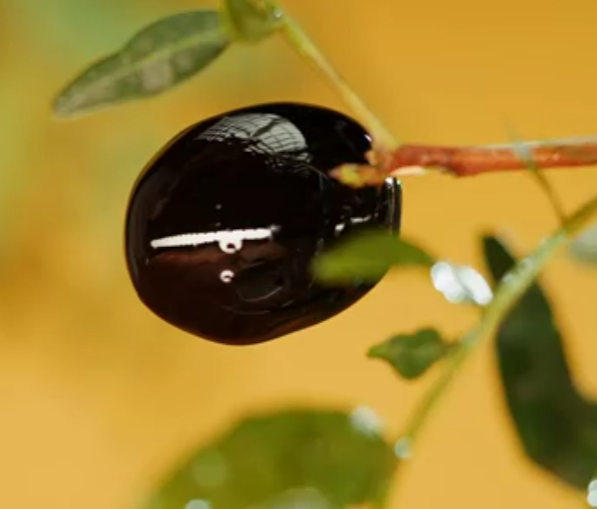
The term black olive generally refers to the ripe drupes of Olea europaea L. that have reached an advanced stage of veraison, with a colour ranging from dark purple to black, or to olives subjected to specific technological processes that produce a stable darkening of the skin. In commercial practice, the “black olive” category therefore includes both naturally black olives (harvested at advanced ripeness and preserved with traditional methods) and oxidised or “artificially blackened” olives, obtained starting even from olives harvested at the green or semi-ripe stage and treated with alkaline solutions and controlled aeration to accelerate colour change.
From a botanical point of view, the black olive belongs to the same species, but the final product depends on the cultivar, ripening stage, and processing method. Naturally black olives usually derive from cultivars intended for table olive production, harvested when the fruit has already accumulated a high proportion of lipids and phenolic compounds, with a pulp that is soft but still structurally intact. Olives obtained through oxidation, by contrast, start from raw material that may differ in varietal origin and maturity, but is subjected to debittering (use of alkaline solutions) and subsequent oxidation under controlled conditions, usually followed by brine preservation or packing in a covering liquid.
The composition of naturally black olives reflects that of fully ripe drupes: a relatively high lipid content (triacylglycerols with a predominance of oleic acid), a gradual reduction in free oleuropein compared with green olives, and the presence of oxidised polyphenols and pigments (in particular anthocyanins and oxidised phenolic derivatives) that contribute to the dark colour. The evolution of the phenolic profile, together with brine fermentation (when applied), influences microbiological stability, taste (tendency towards lower bitterness than green olives), and overall sensory properties. In black olives obtained by oxidation, tissue structure and part of the original phenolic compounds are modified by processing, which may lead to differences from naturally black olives in terms of texture, uniform colour, and organoleptic profile.
From a technological and commercial viewpoint, black olives represent a broad category of table products, used in various culinary preparations, in table olive mixes, and as an ingredient in baked goods and ready meals. The distinction between naturally black olives and oxidised black olives is important for quality control, correct labelling, and the assessment of nutritional and sensory characteristics: in the former, the fruit profile is more closely linked to cultivar and origin, while in the latter, process parameters (time, temperature, solution concentration, oxygen management) play a major role. In all cases, the raw material remains the drupe of Olea europaea L., whose agronomic and technological management determines the final properties of the product marketed as a “black olive.”
 |  |
Botanical classification
Botanical name: Olea europaea
Botanical family: Oleaceae
Order: Lamiales
Class: Magnoliopsida
Kingdom: Plantae
Indicative nutritional values per 100 g
Average values for 100 g of drained black table olives in brine:
Energy: about 230–270 kcal
Protein: 1–2 g
Carbohydrates: 0–2 g (negligible sugars)
Total fat: 23–27 g
saturated fatty acids: 2–4 g
monounsaturated fatty acids (predominant): main fraction
polyunsaturated fatty acids: minor fraction
Fibre: 5–8 g
Salt (NaCl): 3–6 g (depending on brine strength)
Values vary with cultivar, ripeness, brine composition, oil packing and any additional ingredients.
Key constituents
Lipids (oil)
prevalence of oleic acid (monounsaturated fatty acid, typical of olive oil)
smaller fractions of saturated and polyunsaturated fatty acids
Structural components
cell-wall polysaccharides (insoluble and partially soluble dietary fibre)
small amount of vegetable proteins
Minor components
phenolic compounds (oleuropein, hydroxytyrosol, tyrosol and derivatives, in variable amounts according to processing)
pigments (anthocyanins in naturally ripened dark cultivars)
phytosterols and tocopherols (vitamin E)
Minerals and sodium
high sodium content in brined olives
small amounts of potassium, calcium and magnesium
Production process
Black table olives can be produced through:
Harvesting: olives harvested at advanced or full ripeness (dark purple to black); hand- or machine-harvesting, with attention to minimise fruit damage
Debittering and fermentation/conditioning: brining (water + salt) with possible spontaneous lactic fermentation; in some industrial processes, alkaline treatments and subsequent washing steps are used to accelerate debittering (removal of oleuropein)
Preservation: maintenance in stabilised brine (controlled pH, salt level, possible acidifiers); or packing and preservation in oil (alone or with herbs and spices)
Possible pasteurisation: for jars/cans, a mild heat treatment may be applied to extend shelf-life.
Physical properties
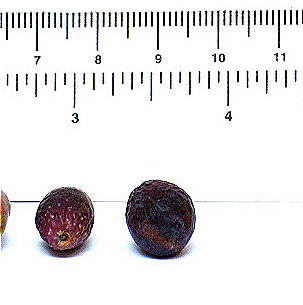
Size and shape: variable depending on cultivar (small, medium, occasionally large); mainly oval or ellipsoidal, sometimes slightly asymmetrical
Pulp texture: from firm to soft, depending on ripeness and processing (type/duration of brining, alkaline treatment, pasteurisation)
Colour: dark violet to black; may result from natural ripening or from technological treatments; if colourants are used, they must be declared on the label.
Sensory and technological properties
Flavour: distinctly savoury due to high salt content; bitterness more or less reduced depending on debittering process; possible mild acidity from lactic fermentation or added organic acids
Aroma: fruity notes of ripe olives, sometimes with hints of wine/vinegar (fermented products) or of added herbs and spices
Texture: compact pulp, usually non-fibrous, capable of maintaining integrity in light cooking or in cold preparations
Technological behaviour: good stability in brine or oil if correct preservation conditions are maintained; suitable for pitting, slicing and chopping (sauces, spreads, tapenade) without excessive liquid loss when properly drained.
Food applications
Direct consumption: appetizers, snacks, side dishes, mixed salads; part of mixed pickles and preserved vegetable assortments
Ingredient in cooking: pasta dishes, risottos, grain salads, one-dish meals; meat and fish dishes (stews, braises, baked fish); focaccias, pizzas, savoury pies; sauces and spreads (e.g. tapenade, olive-based spreads with anchovies, capers, herbs)
Food industry: ready-to-eat meals, deli salads, pizza toppings and pasta sauces; mixed olive–vegetable products for the chilled or ambient shelves.
Nutrition & health
The content of monounsaturated fats, mainly oleic acid, is considered favourable within a balanced diet, especially when replacing part of saturated fats.
Phenolic compounds and natural antioxidants can contribute to protection against oxidative stress.
Dietary fibre supports bowel function and contributes to satiety.
The main critical point is sodium: in individuals on low-salt diets or with hypertension, intake of brined olives should be moderate; short rinsing in water can reduce surface salt, although some flavour is also lost.
Portion note
A reasonable serving of black table olives can be considered 5–10 olives (about 15–30 g) as part of a balanced meal. This allows one to benefit from the lipid profile and antioxidants while limiting calorie and salt intake.
Allergens and intolerances
Black olives are not listed among the major allergens under EU legislation.
Potential issues: presence of additives (preservatives, antioxidants, acidifiers) which may trigger reactions in sensitive individuals; presence of other allergenic ingredients in mixed products (e.g. nuts, cheese, anchovies); possible cross-contamination in deli counters and mixed preparations.
Storage and shelf-life
In brine (jars, cans, tubs): store in a cool, dry place away from direct sunlight; once opened, keep olives covered by brine, close properly, refrigerate and consume within the period indicated by the producer.
In oil: ensure complete coverage with oil to limit oxidation and microbial growth; store in a cool, dark place; after opening, refrigerate if indicated and consume within a reasonable time.
Loose products (deli counter): require cold-chain conditions and rapid consumption; appearance (absence of off-odours, moulds, excessive turbidity) should be checked carefully.
Safety and regulatory
Production and marketing must comply with EU and national food safety regulations (hygiene, HACCP, contaminant limits, food-contact materials).
Any additives (preservatives, acidifiers, authorised colourants) must be permitted by law, used within legal limits and clearly declared in the list of ingredients.
Proper control of pH, salt concentration and, where applicable, heat treatment is essential to prevent growth of pathogenic microorganisms and toxin formation.
Labelling
On a prepacked black olive product, the label must at least include:
legal name (e.g. “black olives in brine”, “pitted black olives in olive oil”)
list of ingredients in descending order (olives, water, salt, oils, acidifiers, antioxidants, flavourings, etc.)
net weight and, where applicable, drained weight
name and address of producer or packer, lot number, best-before or use-by date
reference nutritional values per 100 g
specific storage conditions (e.g. “once opened, keep refrigerated and consume within …”)
clear highlighting (usually bold) of any allergens present among the ingredients.
Troubleshooting
Off-odour or off-flavour (excessive fermentation, rancidity, mould): possible causes: poor storage conditions, broken cold chain, non-hermetic containers, oxidation of packing oil; action: do not consume the product; check expiry dates and storage conditions; improve stock rotation and temperature control.
Olives too salty: possible causes: overly concentrated brine, reduction of brine volume during storage; action: for household use, briefly rinse or soak in water before consumption; at process level, adjust brine concentration and process controls.
Olives excessively soft or mushy: possible causes: over-ripeness, excessive alkaline treatment, too intense pasteurisation, mechanical damage; action: retune timing and conditions of technological treatments, improve raw-material selection and handling.
Sustainability and supply chain
Production of black table olives typically takes place in Mediterranean olive-growing systems, ranging from traditional to intensive orchards.
Sustainability aspects depend on:: soil management (erosion control, rational water use); plant protection strategies (controlled use of plant protection products, adoption of integrated or organic practices); by-product management (pomace, wastewaters) to reduce environmental impact.
Certified supply chains (e.g. organic, PDO/PGI for specific cultivars and regions) can offer enhanced guarantees of traceability and compliance with environmental and social criteria.
Main INCI functions (cosmetics)
In cosmetics, the reference ingredient is olive oil (not distinguished by table olive type). Common INCI names include:
Olea Europaea (Olive) Fruit Oil
emollient function: softens and moisturises skin
conditioning effect in hair products
antioxidant contribution due to phenolic compounds and tocopherols
possible auxiliary role in emulsifying and solubilising, depending on the formulation.
Olea Europaea (Olive) Oil Unsaponifiables
used in targeted formulations for its emollient and protective properties.
Conclusion
Black olives are a characteristic ingredient of Mediterranean cuisine, with a nutritional profile marked by predominantly monounsaturated fats, phenolic compounds and dietary fibre. They offer intense flavour and high technological versatility (appetisers, condiments, ready meals). The main factor requiring attention is the relatively high salt content of brined products, which calls for mindful consumption, especially in individuals who need to limit sodium intake. When included in a balanced diet and sourced from well-managed supply chains, black olives can contribute positively to overall diet quality and can be compatible with environmental sustainability goals and territorial enhancement.
Studies
In the olive there are bioactive compounds useful for human health such as polyphenols, proteins (1).
The anthocyanin content of the black olive is slightly higher than that of the green olive.
The amount of phenolic compounds is significant and explains the antioxidant activity of olive and olive oil:
- phenols are present in quantities between 317mg/100g and 2657mg/100g.
- gallic acid from 7mg/100g to 35mg/100g
- 3,4-Dihydroxybenzoic acid 33mg/100g to 25mg/100g
These values change substantially depending on the type of oleander, harvest period and other parameters (2).
The good protein and amino acid content of olive and in particular maslinic acid, a tripenoid, have shown that, together with moderate exercise, they can increase muscle mass, grip strength, knee pain and thus prevent disability related to mobility in older people (3).
Olive cultivation is damaged by the so-called "Olive Fly" (Bactrocera oleae).

