Melassa (molasses)
Descrizione
• Sciroppo denso e viscoso sottoprodotto della raffinazione dello zucchero da canna o barbabietola: è il madre–liquor che rimane dopo più cicli di cristallizzazione del saccarosio.
• Gradi tipici: chiara, scura e blackstrap (più concentrata, più minerali, gusto più amaro). Versioni unsulfured (preferite per uso alimentare) o sulfured (possono contenere SO₂/solfiti).
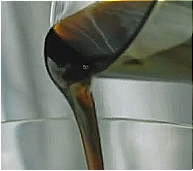
• Colore bruno scuro, aroma caramellato–tostato con note di liquirizia/rum; pH tipico ~5,0–6,0.
Valore calorico (per 100 g di prodotto)
• Tipico ~290–320 kcal/100 g (dipende da solidi solubili e grado).
• Indicativo: carboidrati ~70–78 g (prevalentemente zuccheri), proteine ~0–1 g, grassi ~0 g, fibre ~0–2 g; sodio basso salvo aggiunte.
• °Brix elevato (~75–86), aw moderata–bassa (effetto osmotico).
Principali sostanze contenute
• Zuccheri: saccarosio, glucosio e fruttosio (rapporti variabili per origine/processo).
• Minerali relativamente alti: potassio, calcio, magnesio, ferro (massimi nel grado blackstrap).
• Composti fenolici/melanoidine (colore/aroma; potere antiossidante), acidi organici; ceneri elevate rispetto ad altri zuccheri.
• Possibili tracce di SO₂/solfiti nelle melasse “sulfured”.
Processo di produzione
• Estrazione del succo → chiarifica (calce/filtrazione) → evaporazione → cristallizzazione del saccarosio → separazione cristalli/madre–liquor (melassa).
• Eventuali trattamenti: decolorazione/filtrazione, desolforazione, standardizzazione °Brix → stoccaggio e confezionamento secondo GMP/HACCP.
Proprietà sensoriali e tecnologiche
• Conferisce dolcezza, corpo, colore bruno e note tostato–caramello con lieve amaro bilanciante.
• Umettante naturale; favorisce Maillard/browning in forno e in salse.
• Viscosità elevata; può cristallizzare (saccarosio) o fermentare con lieviti osmofili se gestita male.
Impieghi alimentari
• Bakery (pane scuro, gingerbread, biscotti), legumi stufati, salse BBQ/marinature, muesli/snack aromatizzati, bevande calde.
• In industria: dolcificante caratterizzante e colorante naturale; substrato per fermentazioni (es. rum).
• Dosaggi tipici: 1–10 % (fino a 15 % in prodotti tradizionali), da ottimizzare con prove pilota.
Nutrizione e salute
• Zuccheri aggiunti: considerare carico glicemico complessivo della ricetta.
• I minerali (es. K, Fe) sono significativi per un dolcificante, ma non giustificano claim senza autorizzazione.
• Presenza di fruttosio: soggetti con HFI (intolleranza ereditaria al fruttosio) devono evitare.
• In insufficienza renale, l’elevato potassio può essere rilevante.
Profilo dei grassi
• Grassi totali trascurabili; SFA (grassi saturi), MUFA (grassi monoinsaturi) e PUFA (grassi polinsaturi) solo in tracce, con impatto nutrizionale irrilevante.
Qualità e specifiche (temi tipici)
• °Brix/TSS, pH, viscosità, colore (es. ICUMSA), zuccheri (saccarosio/inverti), ceneri, SO₂/solfiti, metalli.
• Microbiologia: assenza patogeni; controllo lieviti osmofili.
• Sensoriale: profilo pulito, assenza di note bruciate/solfuree e di corpi estranei.
Conservazione e shelf-life
• Conservare al fresco e al buio, contenitore ben chiuso; evitare contaminazioni e acqua libera.
• Shelf-life tipica 12–24 mesi; dopo apertura, richiudere e usare in tempi ragionevoli; applicare FIFO.
• Compatibilità materiali: evitare contatto prolungato con metalli reattivi.
Allergeni e sicurezza
• Nessun allergene maggiore UE intrinseco; solfiti da dichiarare se ≥ 10 mg/kg.
• Gestire HACCP con CCP su igiene, contaminazioni e controllo °Brix/pH.
Funzioni INCI in cosmesi
• Denominazioni: Saccharum Officinarum (Molasses) Extract, Molasses Extract.
• Ruoli: umettante, masking, lieve antiossidante/skin conditioning (attenzione a colore/odore in formula).
Troubleshooting
• Cristallizzazione/sedimenti: saccarosio alto o raffreddamento → riscaldare dolcemente, filtrare, correggere °Brix.
• Fermentazioni/gonfiore: contaminazione/aw sfavorevole → sanificazione, abbassare aw, uso conservanti ammessi.
• Amaro/colore eccessivo: grado blackstrap o overdose → ridurre dose o scegliere grado più chiaro.
• Viscosità troppo alta: T° bassa → riscaldare a 40–50 °C e miscelare.
Sostenibilità e filiera
• Upcycling di un sottoprodotto della filiera saccarifera; possibile impiego per bioenergie/fermentazioni.
• Gestione reflui verso target BOD/COD; efficienza in evaporazione; imballaggi riciclabili.
• Tracciabilità e audit fornitori secondo GMP/HACCP.
Conclusione
La melassa offre dolcezza, corpo e note caramellate con valore d’uso tecnico e sensoriale. Scelta del grado, controllo di °Brix/pH, igiene e corretta conservazione garantiscono prestazioni stabili in bakery, salse e altre applicazioni.
Mini-glossario
• °Brix — gradi Brix: percentuale di solidi solubili totali (TSS); guida concentrazione e dolcezza.
• aw — attività dell’acqua: più bassa → maggiore stabilità microbica; in melassa limitata da alta osmolarità.
• SFA — grassi saturi: da moderare; eccessi possono aumentare LDL (qui in tracce).
• MUFA — grassi monoinsaturi (es. oleico): in genere neutrali/favorevoli (qui tracce).
• PUFA — grassi polinsaturi (n-6/n-3): benefici se bilanciati; qui tracce.
• HFI — intolleranza ereditaria al fruttosio: deficit di aldolasi B; il fruttosio è controindicato.
• SO₂/solfiti — conservanti/antiossidanti da dichiarare se ≥ 10 mg/kg.
• ICUMSA — indice standardizzato del colore per prodotti zuccherini.
• GMP/HACCP — good manufacturing practice / hazard analysis and critical control points: quadri per igiene e prevenzione (CCP definiti).
• BOD/COD — domanda biochimica/chimica di ossigeno: indicatori dell’impatto dei reflui.
• FIFO — first in, first out: rotazione scorte che usa prima i lotti più vecchi.
Bibliografia__________________________________________________________________________
Valli V, Gómez-Caravaca AM, Di Nunzio M, Danesi F, Caboni MF, Bordoni A. Sugar cane and sugar beet molasses, antioxidant-rich alternatives to refined sugar. J Agric Food Chem. 2012 Dec 26;60(51):12508-15. doi: 10.1021/jf304416d.
Abstract. Molasses, the main byproduct of sugar production, is a well-known source of antioxidants. In this study sugar cane molasses (SCM) and sugar beet molasses (SBM) were investigated for their phenolic profile and in vitro antioxidant capacity and for their protective effect in human HepG2 cells submitted to oxidative stress. According to its higher phenolic concentration and antioxidant capacity in vitro, SCM exhibited an effective protection in cells, comparable to or even greater than that of α-tocopherol. Data herein reported emphasize the potential health effects of molasses and the possibility of using byproducts for their antioxidant activity. This is particularly important for consumers in developing countries, as it highlights the importance of consuming a low-price, yet very nutritious, commodity.
Karakaya H, Bilenler Koc T, Karabulut I. Bioaccessibility of 5-hydroxymethylfurfural in fruit molasses using an in vitro digestion model and risk assessment based on molasses consumption in Turkiye. Food Addit Contam Part A Chem Anal Control Expo Risk Assess. 2025 Oct 24:1-15. doi: 10.1080/19440049.2025.2565693.
Abstract. Molasses is a functional food produced by concentrating fruit juice at high temperature and is prone to 5-hydroxymethylfurfural (HMF) formation. In this study, the bioaccessibility and exposure risk of HMF in grape, mulberry, and carob molasses were investigated. According to a validated HPLC analysis, HMF contents of the molasses were determined in the range of 1.95-108.63 mg/kg. The mean HMF concentration was found to be significantly higher (p < 0.05) in grape molasses. Molasses and HMF standard solutions were separately subjected to in vitro digestion to investigate the change in HMF concentration. The HMF content in aqueous solution decreased to 58% in the fluid containing digestive enzymes, while there was no significant change in the medium without enzymes. This suggests that HMF bio-accessibility is greatly influenced by digestive enzymes. After simulated digestion of molasses, it was found that only 70%-79% of the initial HMF concentration was detectable in the digestive mediums. Based on risk assessment data, the chronically daily intake of HMF from molasses was above the threshold of concern. This study emphasises the importance of measuring contaminant concentrations not only in food matrices but also in the gastrointestinal tract when determining actual exposure levels.
Wang M, Zhao L, Wang Y, Zhang C, Li H. Sugarcane Molasses Polyphenol Extract Attenuates Alcohol-Induced Chronic Liver Damage via Antioxidant, Anti-Inflammatory, and CYP2E1/Keap1/NF-κB Pathway Modulation. Nutrients. 2025 May 5;17(9):1589. doi: 10.3390/nu17091589.
Abstract. Background/objective: The prevention and treatment of alcoholic liver disease (ALD) urgently require safe and effective nutritional intervention strategies. Polyphenol extracts from sugarcane molasses (SP) show antioxidant and anti-inflammatory potential, yet their protective effects against ALD have not been elucidated. This study explored the therapeutic potential of SP in alcohol-induced chronic liver damage. Methods: A graded alcohol concentration-induced liver damage model was established in C57BL/6J mice to systematically evaluate SP's regulatory effects on liver function markers, lipid metabolism, oxidative stress indicators, inflammatory factors, and related molecular mechanisms through a 10-week nutritional intervention. Results: The results demonstrated that SP intervention significantly inhibited the liver index, alanine aminotransferase and aspartate aminotransferase activities, and triglyceride and total cholesterol accumulation in mice. SP enhanced antioxidant enzyme activities in a dose-dependent manner, with the high-dose group increasing catalase activity by 161.19% and superoxide dismutase activity by 22.97%. Furthermore, SP significantly reduced the levels of pro-inflammatory cytokines, including interleukin-1β, interleukin-6, and tumor necrosis factor-α, thereby alleviating hepatic inflammatory infiltration. Mechanistic studies revealed that SP effectively mitigated alcohol-induced oxidative stress and inflammatory injury by inhibiting cytochrome P450 2E1 overexpression, regulating the Kelch-like ECH-associated protein 1 signaling pathway, and suppressing nuclear factor-kappa B pathway activation. Conclusions: The findings reveal that SP mitigates ALD via synergistic antioxidant and anti-inflammatory mechanisms, providing a novel strategy for high-value utilization of sugarcane molasses byproducts in agricultural industries. Future studies should focus on the contribution of the different phenolics in SP and validate their specific hepatoprotective mechanisms.
Wangui-Verry J, Farrington M, Matthews G, Tucker SJ. CE: Original Research: Are Milk and Molasses Enemas Safe for Hospitalized Adults? A Retrospective Electronic Health Record Review. Am J Nurs. 2019 Sep;119(9):24-28. doi: 10.1097/01.NAJ.0000580148.43193.76.
Abstract: Background: Constipation in hospitalized patients is common. As a treatment of last resort for unresolved constipation, a milk and molasses enema is often used by nursing staff. But there has been little research investigating the safety and efficacy of this approach. Purpose: The purpose of this retrospective study was to evaluate the safety of milk and molasses enemas for hospitalized adults with constipation that remained unresolved after standard treatment options were exhausted. Methods: Data were extracted from the electronic health records (EHRs) of 615 adult patients who had received a milk and molasses enema between July 2009 and July 2013 at a large midwestern academic medical center. Data analysis occurred for a random subset of this group.Participant characteristic variables included age, sex, admitting diagnosis, diet orders, medications, laxatives and enemas administered before the milk and molasses enema, and laboratory values. Serious complication variables included bacteremia, bowel perforation, electrolyte abnormalities, allergic reaction, abdominal compartment syndrome, cardiac arrhythmia, dehydration, and death. Findings: The final sample of 196 adults had a mean age of 56 years; 61.2% were female and 38.8% were male. Of 105 admitting diagnoses, the most frequent (9.7%) was abdominal pain, unspecified site. Of the 14 discharge dispositions, the most frequent was home or self-care (50.5%). A laxative order was present for 97.4% of patients and a stool softener order was present for 86.2%. Sodium and potassium levels remained within normal limits during hospitalization. For the subset of patients who had these values measured within 48 hours before and after milk and molasses enema administration, no significant changes were found. No cases of nontraumatic abdominal compartment syndrome or other serious adverse enema-related events were documented in the EHR. Conclusions: No safety concerns were identified from this retrospective EHR review of hospitalized adults who received a milk and molasses enema for constipation relief. The findings indicate that this treatment is safe, although further study examining its efficacy in this population is needed.
Rahiman F, Pool EJ. The effect of sugar cane molasses on the immune and male reproductive systems using in vitro and in vivo methods. Iran J Basic Med Sci. 2016 Oct;19(10):1125-1130.
Abstract. Objectives: Sugar cane molasses is a commonly used ingredient in several food products. Contrasting reports suggest that molasses may have potential adverse or beneficial effects on human health. However, little evidence exists that examines the effects of molasses on the different physiological systems. This study investigated the effects of sugar cane molasses on various physiological systems using in vivo and in vitro methods. Materials and methods: Molasses was administered orally to BALB/c, male mice and animals were randomly assigned into either a treatment or control group. General physiological changes, body weight and molasses intake of animals were monitored. At the end of the exposure period, collected blood samples were evaluated for potential toxicity using plasma biomarkers and liver enzyme activity. Immunised treated and untreated mice were evaluated for antibody titre to determine the effect of molasses on the immune response. To investigate the impact of molasses on testicular steroidogenesis, testes from both treated and control groups were harvested, cultured and assayed for testosterone synthesis. Results: Findings suggest that fluid intake by molasses-treated animals was significantly increased and these animals showed symptoms of loose faeces. Molasses had no significant effect on body weight, serum biomarkers or liver enzyme activity (P>0.05). Immunoglobulin-gamma anti-antigen levels were significantly suppressed in molasses-treated groups (P=0.004). Animals subjected to molasses exposure also exhibited elevated levels of testosterone synthesis (P=0.001). Conclusion: Findings suggests that molasses adversely affects the humoral immune response. The results also promote the use of molasses as a supplement to increase testosterone levels.




