



Jalapeño chili pepper (Capsicum annuum L., family Solanaceae)
(when smoked/dried: “chipotle”)
Description
Mexican cultivar with moderate heat (~2,500–8,000 SHU), typically green when unripe, turning red at full maturity; conical/cylindrical fruit with thick, crisp walls.
Sensory profile: green/herbaceous, lightly fruity; clean, persistent pungency concentrated in the placenta/seeds; smoky notes when roasted.
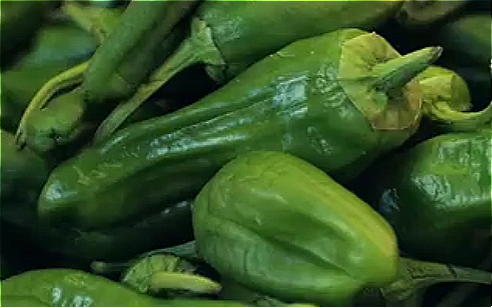
Common name: Jalapeño chili pepper
Source plant: Capsicum annuum L. (family Solanaceae)
Kingdom: Plantae
Clade: Angiosperms
Clade: Eudicots
Order: Solanales
Family: Solanaceae
Genus: Capsicum
Species: Capsicum annuum L.
Note: Jalapeño is a cultivar of Capsicum annuum characterized by fleshy fruits, usually harvested green, of medium pungency, with a conical shape. At full maturity they turn red and are the raw material for chipotle (smoked jalapeño).
Cultivation and growing conditions of jalapeño chili pepper
Climate:
Prefers warm, temperate climates.
Sensitive to cold and frost, especially at germination and transplant stages.
Mainly grown as a spring–summer crop in temperate regions.
Exposure:
Requires full sun (6–8 hours per day) for good vegetative growth and abundant fruiting.
Excess shade reduces yield, pungency and color development.
Soil:
Thrives in fertile, well-drained, medium-textured soils.
Ideal pH: slightly acidic to neutral (around 6–7).
Sensitive to waterlogging, which favors fungal diseases and root rot.
Watering:
Needs regular irrigation, keeping the soil moist but not saturated.
Strong alternation between drought and heavy watering can cause:
flower drop
fruit cracking
irregular development
In the final stages, more moderate watering favors uniform ripening.
Temperature:
Optimal seed germination: 20–25 °C.
Optimal growth: 20–30 °C.
Below about 12–14 °C growth slows markedly.
Fertilization:
Requires a good supply of organic matter (compost or well-rotted manure).
Phosphorus and potassium are important to support flowering, fruit set and fruit quality.
Nitrogen must be balanced: too much nitrogen → lush foliage, fewer fruits.
Crop management:
Early weed control during the initial growth stages.
Mulching helps conserve soil moisture and reduce weed pressure.
Staking may be useful for taller or very productive varieties.
Light pinching or topping can promote branching and more uniform production.
Harvest:
Jalapeños are mainly harvested green, when fruits have reached full size but are not yet mature.
If left to ripen, they turn red, becoming sweeter and more aromatic.
Fully red fruits intended for drying and smoking are processed into chipotle.
Propagation:
By seed, usually started in protected seedbeds.
Transplanting is carried out when minimum temperatures are consistently mild (late spring).
Caloric value (per 100 g)
Fresh: ~25–35 kcal; carbs ~6 g, sugars ~3–4 g, fiber ~2–3 g, protein ~1 g, fat ~0.3–0.5 g; sodium naturally low.
Dried/powder: ~250–320 kcal, due to solids concentration.
Key constituents
Capsaicinoids (mainly capsaicin and dihydrocapsaicin) at medium levels.
Vitamin C high when fresh; provitamin A (carotenoids) higher in red fruits; chlorophylls in green fruits (prone to pheophytinization with heat).
Carotenoids (capsanthin/capsorubin in red stage), minor polyphenols, potassium.
Analytical markers: SHU (Scoville), capsaicinoids by HPLC, color (CIE L*a*b* or ASTA for powders), moisture/aw for dried goods.
Production process
Fresh: harvest green or red → sorting/grading → pack MAP or ventilated bulk.
Roasted/grilled: char skin → peel → remove placenta/seeds.
Pickled (rings/strips): cut, optional blanch, acidify (vinegar/lime) with target pH ≤4.1, add salt/spices, pasteurize and hot-fill; for shelf-stable, meet commercial sterility.
Dried/powder: low-temperature drying (or smoking → chipotle), milling/sieving → barrier packing.
Operate under GMP/HACCP with CCP on pH, time–temperature, and foreign bodies.
Sensory and technological properties
Heat can be tuned by removing placenta/seeds; acids/fats soften perceived burn; dairy buffers further.
Crisp texture of fresh fruit suits toppings; in pickles, CaCl₂ and gentle heat help retain crunch.
Color is light/oxygen sensitive; roasting develops Maillard/smoky notes.
Food uses
Salsas (pico de gallo, roja/verde), tacos/burritos/quesadillas, nachos, eggs, grilled meats/fish, marinades, and pickles (jalapeños en escabeche).
Typical dosages: fresh minced to taste; powder 0.1–0.5% in dry blends; pickles 5–20% in compound sauces (confirm via pilot trials).
Nutrition and health
Low caloric contribution at culinary portions; vitamin C is heat-labile—prefer raw or brief cooking.
Capsaicin may irritate sensitive skin/mucosa.
For pickled products, monitor sodium. Avoid unauthorized health claims.
Lipid profile
Total fat negligible; only trace SFA, MUFA, PUFA—no meaningful nutritional impact at use levels.
Health note: diets relatively higher in MUFA/PUFA than SFA are generally favorable/neutral for blood lipids; effect here is not material.
Quality and specifications (typical topics)
Fresh: size, turgor, uniform color, absence of defects (sunscald, molds), residues within limits.
Pickled: pH (3.2–4.1), declared salt, texture (crispness), drained weight, commercial sterility.
Dried/powder: moisture ≤10–12%, aw ≤0.60–0.65, ASTA color, capsaicinoids by HPLC, freedom from pests/foreign matter; mycotoxins monitored.
Storage and shelf-life
Fresh: 4–7 °C, high RH; use within 7–10 days.
Shelf-stable pickles: cool/dry/dark, 12–24 months unopened; after opening refrigerate and use in 5–7 days.
Powder/dried: cool/dry/dark in barrier packs; 12–24 months; reseal to limit oxidation. Apply FIFO.
Allergens and safety
Capsicum is not a major EU allergen, though individual cross-reactivity can occur.
Capsaicin is irritant: use PPE in production; label heat level; prevent cross-contact with other allergens in seasoning lines.
INCI functions in cosmetics
Listings: Capsicum Annuum Fruit Extract / Capsicum Annuum (Pepper) Extract.
Roles: rubefacient/warming, fragrance; manage formula pH and concentration due to irritancy risk.
Troubleshooting
Soft pickles: overprocessing or high pH → add CaCl₂, optimize hot-fill and acidity; select firm fruit.
Inconsistent heat: assay capsaicinoids and standardize chile blend; remove placenta/seeds to reduce.
Raw-green bitterness: roast/toast briefly; balance with acid (lime/vinegar) and salt.
Color fade: limit light/oxygen; use amber/barrier packs; add some jalapeño late in cooking.
Sustainability and supply chain
Favor IPM cultivation and efficient water use; valorize cores/seeds for seed oil or feed.
In-plant: treat effluents to BOD/COD targets; optimize thermal energy; use recyclable packs; full traceability under GMP/HACCP.
Conclusion
Jalapeño offers versatility, crunch, and moderate heat, suitable fresh, pickled, or roasted. Tight control of pH/time–temperature, pungency standardization, and protection from light/oxygen ensures safe, stable, and sensory-consistent products.
Mini-glossary
SHU — Scoville heat units: pungency scale (jalapeño ~2,500–8,000).
HPLC — High-performance liquid chromatography: quantifies capsaicinoids and identity markers.
ASTA — American Spice Trade Association color: standardized color index for spices/chiles.
aw — Water activity: ≤0.60–0.65 in dried products limits microbial growth/molds.
SFA — Saturated fatty acids: excess may raise LDL; trace here.
MUFA — Monounsaturated fatty acids (e.g., oleic): generally favorable/neutral for blood lipids; trace here.
PUFA — Polyunsaturated fatty acids (n-6/n-3): beneficial when balanced; trace here.
TFA — Trans fatty acids: avoid industrial TFA; absent in non-hydrogenated produce.
MCT — Medium-chain triglycerides: not characteristic of peppers.
GMP/HACCP — Good Manufacturing Practice / Hazard Analysis and Critical Control Points: hygiene and preventive-safety frameworks with defined CCP.
CCP — Critical control point: step where a control prevents/reduces a hazard.
BOD/COD — Biochemical/Chemical oxygen demand: indicators of effluent impact.
FIFO — First in, first out: stock rotation using older lots first.

