



Myroxylon Balsamum Balsam Oil: proprietà, usi, pro, contro, sicurezza, alternative
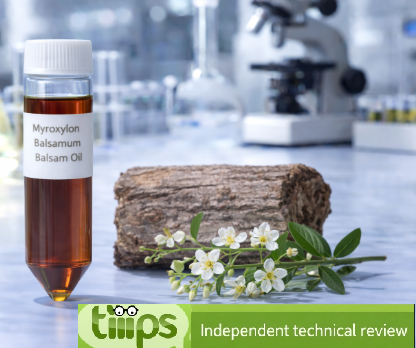
Myroxylon Balsamum Balsam Oil è un composto oleoso del balsamo prodotto industrialmente dalla resina della corteccia dell'albero Balsam tolu, Myroxylon balsamum (L.), Harms, Leguminosae. E' formato principalmente di resine, oli essenziali e solitamente acidi cinnamici e benzoici. Dalla stessa pianta si ricava un prodotto cosmetico chiamato Balsamo tolu o Balsamo di tolu con caratteristiche pressoché simili ma con nomi INCI differenti.
A cosa serve e dove si usa
Cosmetica
Profumo. A differenza della fragranza che può contenere anche odori leggermente meno gradevoli o caratteristici, la dizione profumo indica soltanto le profumazioni molto gradevoli.
In commercio sono presenti i seguenti prodotti, con e senza restrizioni, tenendo conto che la valutazione di sicurezza cosmetica espressa può essere differente da studio a studio, da composizione a composizione. Come si può osservare dalla tabella sottostante solo 4 ingredienti su 9 non hanno restrizioni cosmetiche, ma anche per questi valgono le considerazioni di sicurezza che espongo più avanti.
| INCI | CAS | EC number | Restriction | Nome | Funzione |
| MYROXYLON BALSAMUM BALSAM EXTRACT | 9000-64-0 | 232-550-4 | Balsamo tolu | Profumo | |
| MYROXYLON BALSAMUM RESIN | 9000-64-0 | 232-550-4 | Balsamo tolu | Agente filmogeno Fragranza Condizionante per capelli | |
| MYROXYLON BALSAMUM BALSAM OIL | 9000-64-0 | 232-550-4 | II/1136 | Balsamo del Perù | Profumo |
| MYROXYLON PEREIRAE OIL/EXTRACT | Profumo | ||||
| MYROXYLON PEREIRAE RESIN EXTRACT | Aromatizzante Fragranza Condizionante per la pelle | ||||
| MYROXYLON BALSAMUM PEREIRAE BALSAM EXTRACT | 8007-00-9 | 232-352-8 | III/154 | Balsamo del Perù | Aromatizzante |
| MYROXYLON BALSAMUM PEREIRAE BALSAM OIL | 8007-00-9 | 232-352-8 | III/154 | Balsamo del Perù | Aromatizzante |
| MYROXYLON PEREIRAE OIL | 8007-00-9 | 232-352-8 | II/1136 | Aromatizzante | |
| MYROXYLON PEREIRAE RESIN | 8007-00-9 | 232-352-8 | II/1136 | Balsamo del Perù | Agente filmogeno Fragranza Condizionante per capelli |
Sicurezza
E' considerato un allergene anche se non tutti gli allergeni principali non sono ancora stati identificati in quanto oltre all'acido benzoico, cinnamato, eugenolo, almeno altri 10 risultano non identificabili. E' comunque nota la dermatite allergica da contatto che provoca (1) ed è noto che sia tra i sensibilizzanti più frequenti che possono provocare dermatite da contatto perioculare (2).
Alternative
| Opzione (INCI) | Tipo di prodotto | Vantaggi principali |
|---|---|---|
| Vanilla Planifolia Fruit Extract | Estratto aromatico | Nota dolce-balsamica “vanigliata”, utile per accordi caldi; in genere più gestibile di un balsamo ricco di allergeni, pur richiedendo controllo qualità (odore/colore). |
| Styrax Benzoin Resin Extract | Resinoide/estratto di benzoino | Accordo balsamico-vanigliato simile, buona rotondità e fissatività; attenzione agli allergeni naturali e alle specifiche del fornitore. |
| Copaifera Officinalis (Balsam Copaiba) Resin | Resina/oleoresina | Nota balsamica-legnosa più “pulita”, spesso usata come alternativa per accordi resinosi; profilo allergenico in genere diverso da Myroxylon. |
| Vanillin / Ethyl Vanillin | Materie prime aromatiche | Nota dolce e rotonda, buona ripetibilità e stabilità; utile per sostituire parte della firma calda-balsamica riducendo variabilità degli estratti. |
Vedi Balsamo del Perù

