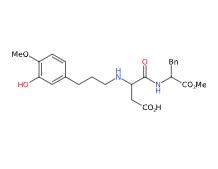
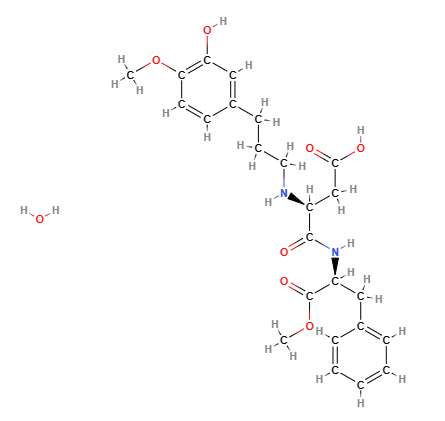
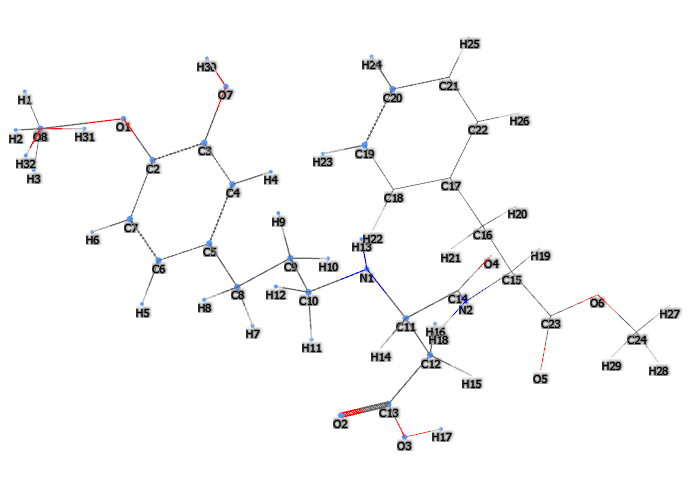
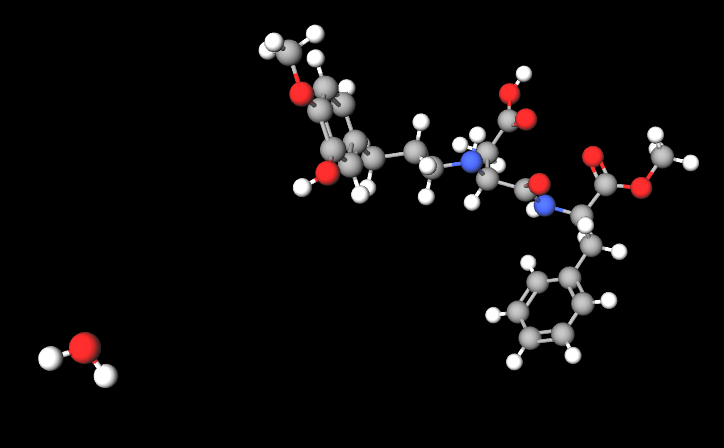
E969 (Advantame) is an N-substituted derivative (aspartic acid moiety) of aspartame or a secondary amine of aspartame. It is produced in different steps: production of the component 3-hydroxy-4-methoxycinnamaldehyde, which is then subjected to hydrogenation to form an HMPA alcohol, filtered in methanolic solution and mixed with aspartame to obtain advantame. 3-hydroxy-4-methoxy benzal acrolein is also used as an intermediate in the production. Another production method is chemical synthesis from isovanillin and aspartame.
It appears in the form of a white or yellow powder.
What it is used for and where
Food
Ingredient included in the list of European food additives as E969 as a sweetener. Its sweetening power is about 90-120 times sweeter than aspartame and about 37,000 times sweeter than sucrose. It was approved by the FDA for use in food in 1981 and is considered generally safe. (GRAS).
Safety
EFSA's Panel on Food Additives and Nutrient Sources Added to Food concluded that Advantame was not of concern with respect to genotoxicity and carcinogenicity. The critical effect observed in animal studies was maternal toxicity (gastrointestinal disorders) in the prenatal developmental toxicity study in rabbits. The Panel established an ADI of 5 mg/kg bw/day (1).
- Molecular Formula C24H30N2O7·H2O (monohydrate)
- Molecular Weight 476.5
- CAS 714229-20-6 245650-17-3
- UNII 3ZA6810AWX
- EC Number
Synonyms:
References_____________________________________________________________________
(1) EFSA Panel on Food Additives and Nutrient Sources added to Food (ANS), 2013. Scientific Opinion on the safety of advantame for the proposed uses as a food additive. EFSA Journal, 11(7), p.3301.
Abstract. The Panel on Food Additives and Nutrient Sources added to Food (ANS) provides a scientific opinion on the safety of advantame as a sweetener for use in the food categories specified in the dossier. Advantame is stable under normal storage conditions. The Panel noted that there is an indication of advantame instability in acidic beverages and thermally treated foods. Metabolism and toxicokinetics of advantame and its main metabolite, ANS9801-acid, have been studied in mice, rats, rabbits, dogs and humans. Advantame is rapidly but poorly absorbed and the main excretion route is via faeces. The Panel concluded that advantame does not raised concern with regards to genotoxicity and carcinogenicity. The critical effect observed in animal studies was maternal toxicity (gastrointestinal disturbances) in the prenatal developmental toxicity study in rabbits. The NOAEL for this effect was 500 mg advantame/kg bw/day. Advantame was well tolerated in single or repeated doses up to 0.5 mg/kg bw/day by normo-glycemic or diabetic subjects. The Panel established an ADI of 5 mg/kg bw/day based on the application of a 100-fold uncertainty factor to the NOAEL of 500 mg/kg bw/day for maternal toxicity from the prenatal developmental toxicity study in the rabbit. Conservative estimates of advantame exposure for high level adults and children consumers were below the ADI for the proposed use levels.