REVIEW
Description

Whiz35 (11969 pt) • 2023-Apr-27 10:12
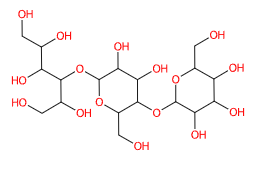
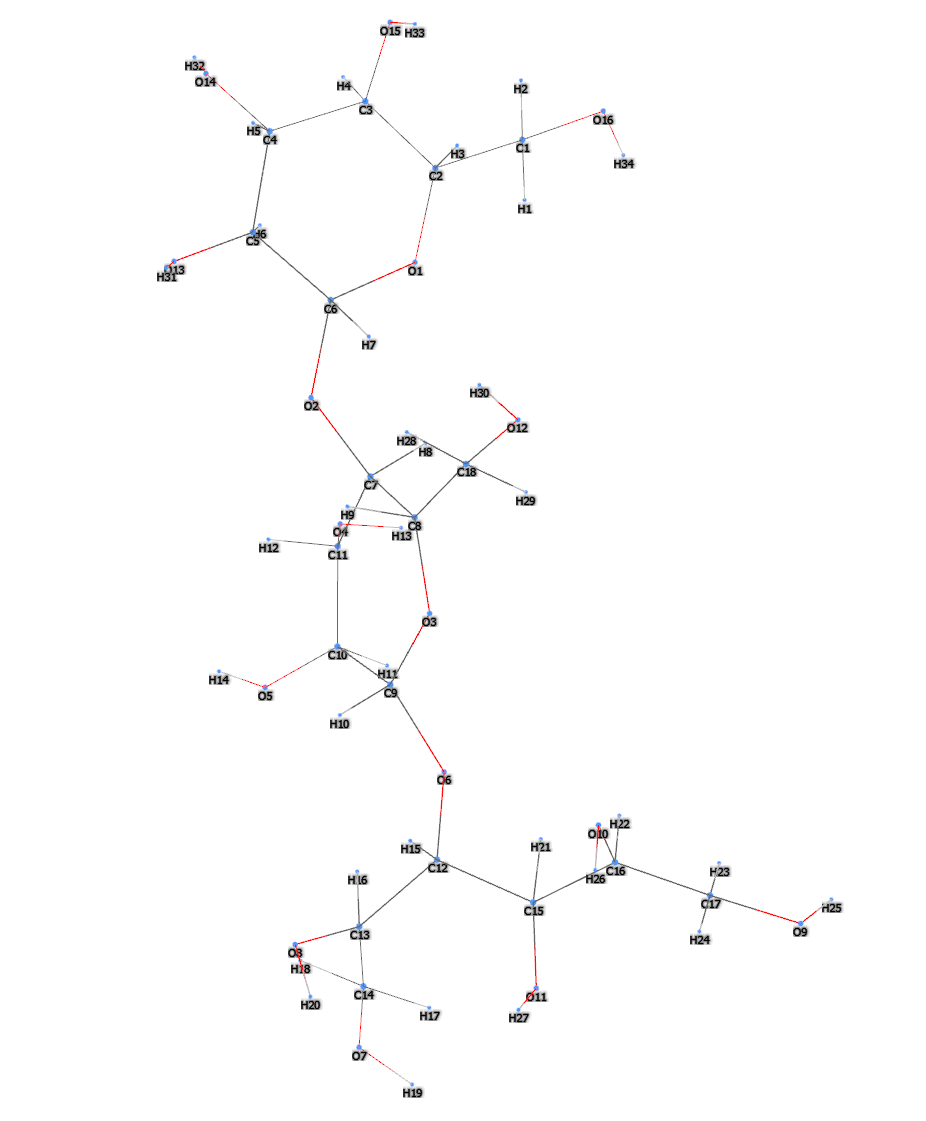
E964 (Polyglycitol syrup) is a chemical compound, a mixture where maltitol and sorbitol are the main components and maltrotriitol, oligo- and hydrogenated polysaccharides are present in much smaller quantities (JECFA, 1998).
It appears as a colourless and odourless viscous liquid, soluble in water and slightly soluble in ethanol.

What it is used for and where
Food
Ingredient included in the list of European food additives as E964 as a sweetener.
Safety
EFSA's Panel on Food Additives and Nutrient Sources Added to Food considered that the main reported adverse effect specifically associated with exposure to polyglycitol syrup was gastric upset. The Panel considered that conservative estimates of exposure to polyglycitol syrup, for consumers and the general population only, from proposed uses and use levels are close to, and even higher than, doses associated with gastric upset when administered as bolus doses in human trials and as reported in recent case reports (1).
- Molecular Formula C18H34O16
- Molecular Weight 506.5
- CAS 68425-17-2
- UNII 27F77DSJ5V
- EC Number 270-337-8
References_____________________________________________________________________
(1) EFSA Panel on Food Additives and Nutrient Sources added to Food (ANS), 2009. Scientific Opinion on the use of Polyglycitol Syrup as a food additive. EFSA Journal, 7(12), p.1413.
Abstract. Following a request from the European Commission (EC), the Panel on Food Additives and Nutrient Sources added to Food (ANS) was asked to deliver a scientific opinion on the safety of polyglycitol syrup when used as a food additive. Polyglycitol syrup belongs to the hydrogenated starch hydrolysate syrups composed of maltitol, sorbitol and higher molecular weight polyols. In contrast to maltitol syrup EU specifications, the polyglycitol syrup has a defined concentration of sorbitol, a lower concentration of maltitol and a defined concentration of higher molecular weight polyols. Consequently, it is not covered by specifications for maltitol syrup which is an EU authorised food additive. In humans, the main reported adverse effect specifically associated with polyglycitol syrup exposure was gastric disturbance. The Panel considers that conservative estimates of the exposure to polyglycitol syrup, for consumer-only and the general population, arising from the proposed uses and use-levels, are close to, and for children even higher than, doses associated with gastric disturbances when administered as bolus doses in human trials and as reported in recent case reports.