



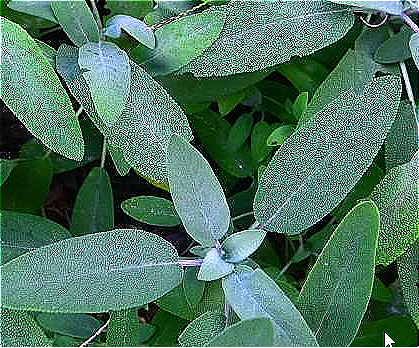
Salvia Officinalis Callus Lysate is an ingredient derived from the processed callus cells of the Salvia officinalis (Sage) plant. This innovative ingredient is primarily used in cosmetics for its regenerative, antioxidant, and anti-aging properties. Callus cells, a form of undifferentiated plant tissue, are rich in bioactive compounds that help protect and revitalize the skin. The sage callus lysate is appreciated for its ability to promote cell regeneration and enhance skin resilience.
Chemical Composition and Structure
Salvia Officinalis Callus Lysate contains a variety of bioactive compounds, including peptides, enzymes, antioxidants, and secondary metabolites such as flavonoids and phenolic acids. These components work together to provide antioxidant protection, support cell regeneration, and reduce the signs of aging. The lysis of the callus cells releases nutrients that are easily absorbed by the skin, improving hydration and firmness.
Physical Properties
Salvia Officinalis Callus Lysate typically appears as a light liquid or gel, water-soluble, and can range from clear to pale yellow. Its light consistency makes it easy to incorporate into serums, lotions, and facial creams, where it acts quickly to revitalize the skin without leaving a heavy residue.
Production Process
The callus lysate is produced through a biotechnological process where callus cells are grown in vitro. The cells are then lysed, a process that releases the active compounds inside the cells, including peptides and other skin-benefiting nutrients. This method ensures a high concentration of pure and sustainable plant-derived actives.
Applications
Medical: Although primarily used in cosmetics, Salvia Officinalis Callus Lysate may have future applications in regenerative medicine due to its antioxidant and regenerative properties. Its potential in topical treatments for inflammatory skin conditions could be explored.
Cosmetics: Salvia Officinalis Callus Lysate is mainly used in anti-aging skincare products, regenerative serums, and hydrating creams. Its antioxidant properties help protect the skin from oxidative damage, while peptides and enzymes support cell regeneration, improving skin firmness and elasticity. It is ideal for revitalizing and anti-aging treatments.
INCI Functions:
Antioxidant agent. Ingredient that counteracts oxidative stress and prevents cell damage. Free radicals, pathological inflammatory processes, reactive nitrogen species and reactive oxygen species are responsible for the ageing process and many diseases caused by oxidation.
CAS 8022-56-8 84082-79-1
EC number 282-025-9 282-025-9
Industry: In the cosmetic industry, Salvia Officinalis Callus Lysate is valued for its sustainable origin and highly bioactive profile. It is used in high-end formulations aiming for deep regenerative and revitalizing effects.
Environmental and Safety Considerations
Salvia Officinalis Callus Lysate is considered safe for cosmetic use, as it is derived from a sustainable biotechnological process that does not involve harvesting wild plants. The in vitro culture process reduces the environmental impact associated with wild plant collection, contributing to a more eco-friendly production. The lysate is biodegradable and poses no environmental risks.
For further information and studies:

