



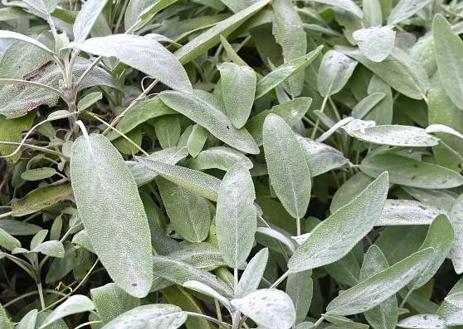
Salvia Officinalis Oil, commonly known as sage essential oil, is extracted from the leaves of the Salvia officinalis plant. This oil is valued for its antibacterial, anti-inflammatory, antimicrobial, and toning properties. Primarily used in cosmetics and aromatherapy, Salvia officinalis oil helps purify the skin, regulate sebum production, and improve circulation. It is also used in traditional medicine to alleviate muscle pain and respiratory issues.
Chemical Composition and Structure
This oil contains several bioactive compounds, including thujone, camphor, cineole, and rosmarinic acid. These components contribute to the oil’s antibacterial, antifungal, and antioxidant properties. Thujone and camphor provide a stimulating and toning effect, while cineole acts as an expectorant, improving respiratory function.
Physical Properties
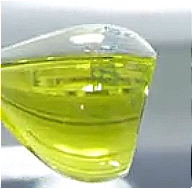
Itis a clear liquid that ranges from pale yellow to light green, with a characteristic herbal, pungent, and slightly camphoraceous scent. It is insoluble in water but blends well with carrier oils and other lipophilic solvents. Due to its light consistency, the oil is quickly absorbed by the skin, leaving a fresh sensation without being greasy.
Production Process
The oil is obtained through steam distillation of the plant’s leaves. After harvesting, the leaves are subjected to distillation, where steam passes through the plant material, extracting the volatile components of the essential oil. The oil is then separated from the water and purified, retaining its bioactive properties.
Applications
Medical: In traditional medicine, Salvia officinalis oil is used to relieve muscle pain, rheumatism, and respiratory issues such as coughs and congestion. Its antimicrobial properties also make it effective in treating skin infections and inflammatory conditions.
Cosmetics: Salvia Officinalis Oil is used in skincare and hair care products. In skincare, it helps regulate sebum production, purify pores, and reduce inflammation, making it ideal for oily or acne-prone skin. It is also used in hair care to tone the scalp, reduce dandruff, and promote hair growth.
INCI Functions:
Fragrance. It plays a very important role in the formulation of cosmetic products as it allows perfume to be enhanced, masked or added to the final product, improving its commercial viability. The consumer always expects to find a pleasant scent in a cosmetic product.
Surfactant - Suspending agent. Cosmetic or pharmaceutical suspensions are known to be thermodynamically unstable and it is therefore essential to include in the formulation a suspending agent capable of dispersing any sedimented particulates and reducing the rate of sedimentation. The presence of this agent increases the consistency of the suspension medium and exerts a protective colloidal action with a surfactant action.
CAS 8022-56-8 84082-79-1
EC number 282-025-9 282-025-9
Aromatherapy: In aromatherapy, sage oil is used for its stimulating and invigorating effects. It is employed to reduce stress, improve concentration, and alleviate mental fatigue. Additionally, it is often diffused to purify the air and create a relaxing environment.
Food: Although less common than the leaf extract, Salvia officinalis oil is used in small amounts as a flavoring agent in some food products, particularly in flavored oils and condiments.
Environmental and Safety Considerations
Salvia Officinalis Oil is generally considered safe for cosmetic and therapeutic use, though caution is advised due to its thujone content, which can be toxic in high doses. It is recommended not to use the oil in high concentrations and to dilute it properly before topical application. Environmentally, the production of sage essential oil is sustainable, and the oil is biodegradable.
For further information and studies:

