



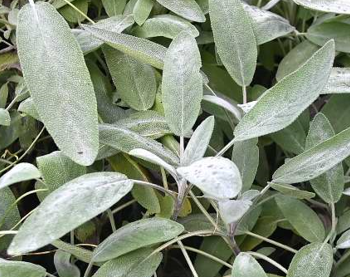
Salvia Officinalis (Sage) Extract, derived from the leaves of the Salvia officinalis plant, commonly known as sage, is used in cosmetics, traditional medicine, and food. It is known for its antioxidant, anti-inflammatory, antibacterial, and astringent properties. This extract is widely used in skincare and hair care products, where it helps regulate sebum production, purify, and protect the skin from environmental damage. Sage is also traditionally used for its toning and regenerative effects.
Chemical Composition and Structure
This extract contains essential oils, flavonoids, phenolic acids (such as rosmarinic acid), and tannins. These bioactive components provide antioxidant and anti-inflammatory properties. The essential oils offer antibacterial and purifying effects, while tannins provide astringent action, helping to regulate excess sebum and improve skin texture.
Physical Properties
Salvia Officinalis Extract appears as a liquid or powder, soluble in water or alcohol, with a color ranging from light yellow to dark green. It is easily incorporated into cosmetic and pharmaceutical products, including creams, lotions, toners, and scalp treatments. Thanks to its purifying and antibacterial properties, it is a versatile ingredient suitable for various formulations.
Production Process
The extract is obtained from the leaves of Salvia officinalis through solvent-based extraction using water or ethanol. After harvesting, the leaves are dried and macerated, allowing the active compounds to be extracted. The extracted solution is then filtered and concentrated to produce a product rich in bioactive components, ready for use in cosmetic, pharmaceutical, or food formulations.
Applications
Medical: In traditional medicine, Salvia officinalis extract is used for its tonic, digestive, and anti-inflammatory properties. It is employed to treat throat inflammation, digestive issues, and skin disorders. It is also used as a natural remedy to strengthen memory and alleviate menopausal symptoms.
- Cosmetics: Salvia Officinalis Extract is widely used in skincare and hair care products. In skincare, it is used for its astringent and purifying properties, which help regulate sebum production and reduce blemishes, making it ideal for oily or combination skin. It is also known for soothing irritated skin and enhancing overall skin tone. In hair care products, it helps tone the scalp, promotes healthy hair growth, and reduces dandruff and excess oil production, making it an excellent ingredient in shampoos, conditioners, and scalp treatments.
INCI Functions:
Adhesive agent. It is one of the methods to improve and optimise the adhesion of the formulation on the skin.
Antimicrobial agent. This ingredient is able to suppress or inhibit the growth and replication of a broad spectrum of microorganisms such as bacteria, fungi and viruses by making the stratum corneum temporarily bactericidal and fungicidal.
Cosmetic astringent. This ingredient exerts a direct effect on the skin by tightening dilated pores by contracting stratum corneum cells and removing superfluous oil.
Deodorant agent. When substances that give off an unpleasant odour are included in cosmetic formulations (typical examples are methyl mercaptan and hydrogen sulphide derived from garlic), deodorants attenuate or eliminate the unpleasant exhalation.
Skin conditioning agent. It is the mainstay of topical skin treatment by restoring, increasing or improving skin tolerance to external factors, including melanocyte tolerance. The most important function of the conditioning agent is to prevent skin dehydration, but the subject is rather complex and involves emollients and humectants.
CAS 8022-56-8 84082-79-1
EC number 282-025-9 282-025-9
Food: In the food industry, Salvia officinalis extract is used as a natural preservative due to its antimicrobial and antioxidant properties. It is also commonly used as a flavoring agent in oils, sauces, and baked goods, adding a herbal, slightly bitter taste to various dishes.
Industry: In the cosmetic and pharmaceutical industries, Salvia officinalis extract is employed for its natural antimicrobial and preservative properties. It is used to inhibit bacterial growth in skincare and hair care products, acting as a natural preservative and purifying agent. This makes it an excellent ingredient for natural and organic formulations that aim to avoid synthetic preservatives.
Environmental and Safety Considerations
Salvia Officinalis Extract is considered safe for use in cosmetics, food, and pharmaceuticals when used within recommended limits. However, due to the presence of thujone, a compound found in sage essential oil, its use should be limited in high concentrations. It is important that the extract is produced from sustainable sources to ensure low environmental impact. The extract is biodegradable and poses no environmental risks.
For further information and studies:

