



Pineapple (Ananas comosus)
Description
Pineapple is the fruit (technically, a multiple fruit or syncarp) of the tropical plant Ananas comosus, a perennial species in the family Bromeliaceae, originally from South America and now cultivated across many tropical regions worldwide. The plant is herbaceous, with a rosette of rigid, spiny leaves, and typically produces a single central fruit per cropping cycle.
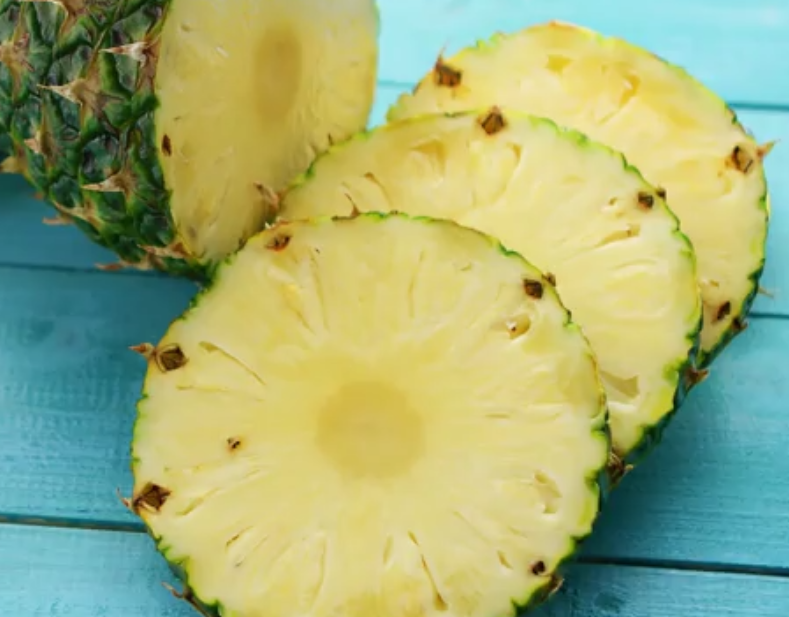
The fruit is formed by the fusion of many small berries that merge around a fibrous central core. Externally, it has a characteristic “scaly” rind made of hexagonal eyes, green at first and then golden-yellow at maturity, topped by the recognizable crown of leaves. The inner pulp is yellow, juicy, with a fibrous yet tender texture, a sweet–tart taste, and an intense, fresh, “tropical” aroma.
From a compositional perspective, pineapple is a high-water fruit with a moderate content of simple sugars and a relatively low energy value. It is known for its vitamin C content, for the proteolytic enzyme bromelain, and for a variety of volatile aroma compounds that define its sensory profile. Thanks to these characteristics, pineapple is used both as fresh fruit and as raw material for juices, canned products, dried products, and functional ingredients in the food and cosmetic sectors.
Botanical classification
Common name: pineapple
Botanical name: Ananas comosus
Family: Bromeliaceae
Origin: tropical South America (Brazil, Paraguay, Amazon region); now widely cultivated in many tropical and subtropical regions
General features: Perennial herb, low-growing (about 1–1.5 m), forming a rosette of stiff, spiny, lanceolate leaves. Each main axis produces a single compact fruit formed by the fusion of many small berries into one large, fleshy, sugary infructescence.
Cultivation and growing conditions
Climate
Typical tropical–subtropical crop requiring warm, frost-free conditions.
Prefers warm, moderately humid climates with no cold periods.
Needs good water availability, usually about 800–1,500 mm of rain per year, well distributed, or supplementary irrigation where rainfall is insufficient.
Sensitive both to prolonged cold and to extreme drought, which reduce growth and fruit quality.
Exposure
Requires full sun for vigorous growth and for the accumulation of sugars and aroma in the fruit.
In very hot regions with intense solar radiation, slight shading can reduce the risk of sunburn on fruits.
Sites should be well ventilated but not excessively windy, to avoid mechanical damage to leaves and fruit.
Soil
Adapts to different soil types but prefers light, well-drained, sandy-loam or loam soils with good organic matter.
Very sensitive to waterlogging, which causes root rots and plant decline, so efficient drainage is essential.
Optimal pH is slightly acidic, roughly between 4.5 and 6.5.
Deep soils (at least 45–60 cm) without hardpans or dense stony layers favour good root development.
Irrigation
In many humid tropical regions pineapple is grown under rain-fed conditions where rainfall is well distributed.
In areas with irregular rainfall, supplementary irrigation (often drip or micro-sprinkler) is recommended to ensure constant soil moisture without saturation.
Both excess water and extended drought should be avoided, as they affect fruit size, shape, uniformity and internal quality.
Temperature
Grows best within about 15–30 °C, with often optimal performance around 22–32 °C.
Persistent temperatures below 15 °C slow growth markedly; even light frosts can severely damage or kill plants.
Excessive heat (above about 35–38 °C) combined with low humidity can cause fruit sunburn and strong stress to the plant.
Fertilization
Pineapple is fairly demanding in nutrients, especially nitrogen and potassium.
Before planting, generous applications of organic matter (well-matured manure or compost) are recommended to improve structure, fertility and water-holding capacity.
Mineral fertilization should be well balanced:
Nitrogen to support leaf growth and plant development,
Phosphorus for root growth and flowering,
Potassium for fruit quality, sugar content, colour and storage life.
In intensive systems, fertilizer rates are adjusted based on soil tests and, when available, leaf analysis.
Crop care
Planting is usually done with suckers, crowns or slips taken from healthy, productive mother plants.
Pineapple is often grown on raised beds to improve drainage and facilitate field operations.
Weed control is essential, using hoeing, mulching or other soil management techniques, especially in young plantations.
In many regions, artificial flower induction (e.g. with growth regulators) is practiced to synchronize and schedule harvests.
Good field hygiene and careful management of soil moisture reduce basal rots, fungal diseases and other problems linked to water excess.
Harvest
Pineapple is non-climacteric, so it must be harvested at an advanced stage of ripeness, when colour, aroma and soluble solids match varietal standards.
Time to harvest depends on cultivar, climate and management, but the first harvest usually occurs several months after flower induction.
Fruits are mainly harvested by hand, cutting them with a short portion of stalk to reduce mechanical damage.
After harvest, fruits should be handled carefully and stored in cool, well-ventilated conditions to preserve quality and limit rots.
Propagation
Propagation is almost exclusively vegetative, using:
Crowns (top of the fruit),
Suckers from the base of the plant,
Slips produced below the fruit or along the stem.
Propagation material must come from healthy, productive plants, free from viruses and other diseases.
Before planting, propagules are often allowed to dry briefly so cut surfaces can heal, reducing infection risk.
Indicative nutritional values per 100 g (fresh pulp)
Average values for raw fresh pineapple; they may vary by variety, ripeness, and origin.
Energy: ~50 kcal
Water: ~85–86 g
Protein: ~0.5 g
Total carbohydrates: ~13 g
simple sugars (glucose, fructose, sucrose): ~10–11 g
Total fat: ~0.1 g
SFA (saturated fatty acids, first occurrence): ≈0.01 g
MUFA: ≈0.02 g
PUFA: ≈0.03 g
TFA: negligible
Dietary fiber: ~1–1.5 g
Vitamins (indicative):
vitamin C: ~45–50 mg
traces of vitamin A (carotenoids) and B-group vitamins
Minerals (indicative):
potassium: ~110–120 mg
magnesium, calcium, phosphorus, manganese: present in modest but meaningful amounts
sodium: very low
Key constituents
Water (major component of the pulp)
Simple carbohydrates: glucose, fructose, sucrose
Dietary fiber: mainly insoluble fiber
Vitamin C (ascorbic acid)
B-group vitamins in small amounts (e.g., B1, B6)
Minerals: potassium, manganese, calcium, magnesium, phosphorus
Bromelain: proteolytic enzyme complex, concentrated mainly in the stem but also present in the pulp
Phenolic compounds and carotenoids (moderate amounts, with antioxidant contribution)
Volatile aromatic compounds (esters, alcohols, aldehydes, terpenoids) responsible for the typical pineapple aroma
Production process
(Fresh fruit and main food-industry uses)
Cultivation
Tropical/subtropical crop, often grown in intensive plantations
Propagation by suckers, crowns, or side shoots
Harvesting
Manual or semi-mechanical harvesting at the appropriate ripeness (rind color, soluble solids, aroma)
Sorting and grading
Removal of damaged or defective fruit
Grading by size and quality
Post-harvest processing
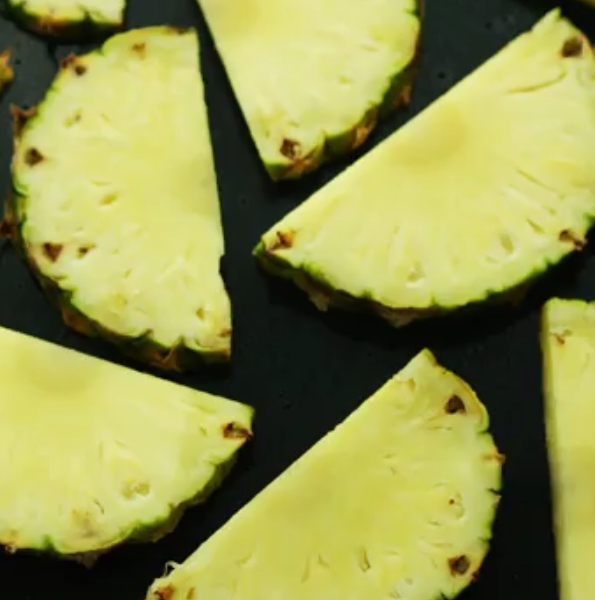
For fresh fruit: washing, optional cutting into slices or chunks, packaging in trays or modified-atmosphere packs
For canned pineapple: peeling, coring, slicing, blanching, filling with syrup or juice, heat treatment/pasteurization
For juice or concentrate: crushing, pressing, clarification/filtration, concentration, pasteurization
For dried pineapple: cutting into pieces or rings, hot-air or other dehydration processes
For extracts and functional ingredients (e.g., bromelain): specific extraction from pulp or stem
Packaging and distribution
Temperature control (cold chain) for fresh-cut and minimally processed pineapple
Adequate protection from oxygen and light for juices, concentrates, and canned products
Physical properties
Appearance: cylindrical/ovoid multiple fruit with scaly rind and leafy crown; yellow pulp
Density of the pulp: close to 1 g/ml (similar to water)
pH: typically acidic (about 3.2–4.0)
Soluble solids (°Brix): around 12–16 °Brix, depending on variety and maturity
High water content → juicy but also perishable
Presence of proteolytic enzymes (bromelain) that can degrade proteins under suitable conditions
Sensory and technological properties
Taste: balanced sweet–acid profile, generally perceived as fresh and refreshing
Aroma: intense, tropical, and complex, with fruity and floral notes
Color: bright yellow pulp, visually appealing and distinctive
Texture: fibrous yet juicy; the core is harder and more fibrous
Relevant technological points:
Bromelain can be used in marinades to tenderize meat (proteolytic action).
The same bromelain can interfere with gelatine and dairy in fresh desserts, causing poor gelation or texture changes (typical issue in jelly desserts containing raw pineapple).
Thermal processing (cooking/pasteurization) inactivates most of the enzyme, reducing these effects.
Organic acids and vitamin C help maintain color stability, but oxidation and poor storage can lead to browning and off-flavors.
Food applications
Fresh consumption: slices, chunks, fruit salads
Juices and nectars: single-fruit or blended with other juices
Canned products: pineapple in syrup, in juice, or in its own juice
Dried products: pieces or rings as snacks or ingredients
Bakery and desserts: cakes (e.g., upside-down pineapple cake), puddings, yogurts, ice creams
Savory dishes: combinations with white meat, rice, pizza, sweet-and-sour dishes
Marinades and functional preparations: pineapple or bromelain used as a tenderizing aid for meat
Nutrition and health
Moderate energy and high water content, useful for hydration.
Source of vitamin C, contributing to protection from oxidative stress and normal immune function.
Provides manganese and other minerals in a favorable ratio to calories.
Contains dietary fiber, supporting intestinal transit when consumed regularly as part of a varied diet.
Bromelain has been studied for potential digestive and anti-inflammatory effects; however, its effective dose and bioavailability from pineapple alone are variable and generally lower than from standardized supplements.
The simple sugar content should be considered in people with diabetes or those monitoring carbohydrate intake; pineapple can fit in the diet, with attention to portion size and food pairing.
Acidity and proteolytic enzymes may cause oral burning or gastric discomfort in sensitive individuals (e.g., reflux, very delicate mucosa).
Portion note
A reasonable standard portion is about 150 g fresh pineapple (roughly one cup of chunks), providing ~75 kcal and a good intake of vitamin C, within an overall balanced diet.
Allergens and intolerances
Pineapple is not one of the major regulated allergens, but the following may occur:
Hypersensitivity to bromelain in susceptible individuals
Oral allergy syndrome in people sensitized to certain pollens or related fruits
Irritation of oral mucosa and lips due to the combined effect of acidity and enzymes
In processed products (canned, dried, juices), sulfites may be used as preservatives. Where present above regulatory thresholds, they must be declared on the label and are important for sulfite-sensitive consumers.
Storage and shelf-life
Whole fresh fruit:
At room temperature: a few days, depending on ripeness at purchase
In cool, ventilated conditions: shelf-life can be extended slightly
Avoid bruising or mechanical damage (favours spoilage and fermentation)
Cut pineapple:
Store refrigerated (≈4 °C) in a closed container
Typical shelf-life: 2–3 days for good sensory and microbiological quality
Canned pineapple:
Shelf-life of many months/years if the container is intact
Once opened: refrigerate and consume within a few days
Dried pineapple:
More stable over time, provided it is protected from moisture and light
Monitor for oxidation and potential loss of aroma if stored improperly
Safety and regulatory
For fresh pineapple, there are no specific intake limits for the general healthy population, when consumed as part of a balanced diet.
For processed pineapple products, regulations cover:
Pesticide residue limits according to national/EU rules
Use and labeling of additives (e.g., sulfites, acidity regulators, colorants)
In industrial production of juices, canned fruit, and fresh-cut products, GMP/HACCP systems are applied to ensure food safety.
Labeling
Name of the food:
“pineapple” for the fruit;
additional wording for the form: “pineapple in syrup”, “pineapple in juice”, “dried pineapple”, etc.
Ingredient list in descending order by weight, with clear indication of added sugars (“with added sugars”) where relevant.
Declaration of any preservatives (e.g., sulfites), highlighted where required for allergen information.
On prepacked products: nutrition declaration, date marking (use-by or best-before), and storage conditions.
Possible indication of country of origin and of certifications (e.g., organic, fair trade).
Troubleshooting
Typical issues in pineapple processing and use:
Bland or low-sweetness fruit:
harvested too early
variety with low °Brix
prolonged or improper storage
Excessive sourness or harsh taste:
insufficient ripeness
imbalance between organic acids and sugars
excessive acidification in juices or canned products
Pulp browning:
enzymatic oxidation after mechanical damage
exposure to air and high temperatures
extended storage of cut product
Failure of gelation in jelly desserts:
use of raw pineapple (active bromelain hydrolyses gelatine)
solution: use cooked or pasteurized pineapple (enzyme inactivated)
Fermentation / off-odors:
break in the cold chain for fresh-cut products
hygiene failures in processing or domestic storage
Sustainability and supply chain
Tropical crop requiring specific climatic conditions, potentially associated with:
intensive land use and agrochemical inputs in conventional systems
risks of soil erosion and biodiversity loss in sensitive areas
Increasing adoption of:
organic or low-impact cultivation practices
fair trade initiatives to protect producers and workers
sustainable management of soil and water resources
By-products (peel, core, leaves) can be valorized as:
biomass for energy or compost
a source of bromelain and other functional ingredients
dietary fiber or feed components (after appropriate treatment)
Preference for sea freight and optimized logistics helps decrease the carbon footprint of pineapple supply chains.
Main INCI functions (cosmetics)
In cosmetics, pineapple appears under several INCI names, including:
Ananas Sativus (Pineapple) Fruit Extract / Ananas Comosus (Pineapple) Fruit Extract
Ananas Sativus (Pineapple) Juice
Bromelain (isolated enzyme complex)
Key cosmetic functions:
enzymatic exfoliant (bromelain, gentle proteolytic action on the stratum corneum)
skin conditioning and toning
support for skin radiance due to the combined action of organic acids, vitamin C, and enzymes
coadjuvant in hand and foot products to soften rough, thickened skin
aromatic and fragrance component in some formulations
Cosmetic astringent. This ingredient exerts a direct effect on the skin by tightening dilated pores by contracting stratum corneum cells and removing superfluous oil.
Humectant. Hygroscopic compound used to minimise water loss in the skin and to prevent it from drying out by facilitating faster and greater absorption of water into the stratum corneum of the epidermis. The epidermis is the most superficial of the three layers that make up human skin (epidermis, dermis and hypodermis) and is the layer that maintains hydration in all three layers. In turn, the epidermis is composed of five layers: horny, the most superficial, granular, spinous, shiny, and basal. Humectants have the ability to retain the water they attract from the air in the stratum corneum and have the function of moisturising the skin. They are best used before emollients, which are oil-based.
Skin protectant. It creates a protective barrier on the skin to defend it from harmful substances, irritants, allergens, pathogens that can cause various inflammatory conditions. These products can also improve the natural skin barrier and in most cases more than one is needed to achieve an effective result.
Conclusion
Pineapple is a tropical fruit with high sensory value and a solid nutritional profile, thanks to its water content, vitamin C, sugars, and bromelain. Its uses are extremely versatile, ranging from fresh consumption to juices, canned and dried products, and further to extracts and functional ingredients for cosmetics. Conscious management of portion size allows consumers to enjoy its qualities without excessive sugar intake, while a controlled and sustainable supply chain supports product quality, safety, environmental protection, and fair conditions for producers.
Studies
In traditional medical practice, it is used to treat digestive disorders and to prevent and treat cardiovascular disorders such as cholesterol plaques, thrombophlebitis and thrombosis. It also exerts fibrinolytic activity by limiting blood vessel obstruction.
There is evidence of antioxidant, anti-inflammatory, antiplatelet activity (1).
The anthelmintic activity (combating parasites in the human body) (2) of alcoholic and aqueous extracts of Ananas sativus has been established.
Mini-glossary
SFA: saturated fatty acids. Excess intake can raise LDL cholesterol; in pineapple they are present only in negligible amounts.
MUFA: monounsaturated fatty acids, generally considered beneficial for cardiovascular health when they replace saturated fats.
PUFA: polyunsaturated fatty acids, including omega-3 and omega-6; they play important roles in cell function and inflammatory responses.
TFA: trans fatty acids. Fresh pineapple essentially contains no TFA; major nutritional concern relates to industrial trans fats from hydrogenated oils.
GMP/HACCP: good manufacturing practices / hazard analysis and critical control points, organizational and technical systems that ensure food safety along the supply chain.

