



Bay laurel (Laurus nobilis L.)
The term bay laurel refers to Laurus nobilis L., an evergreen shrub or small tree typical of warm temperate and Mediterranean climates, cultivated and naturalised in many countries of the Mediterranean area and introduced into other mild–climate regions. It prefers well-drained soils, from moderately fertile to calcareous, with good light exposure and low tolerance to waterlogging. The plant generally has a bushy or small–tree habit, with erect stems and a dense crown; the leaves are persistent, leathery, lanceolate, with entire margins and a glossy surface, and they are characterised by a typical balsamic–spicy aroma due to their volatile fraction. The flowers are small and yellowish, grouped in axillary umbels; the fruits are ovoid drupes that turn black–violet when ripe.
From a commercial standpoint, the main harvested organ is the leaf, used fresh or, more commonly, dried as an aromatic drug and spice for preparing savoury dishes, preserves, and stocks. Leaves may be marketed whole, crushed, or as part of aromatic blends; in industrial and artisanal contexts, extracts and essential oil obtained by steam distillation are also used. The quality of the raw material is influenced by factors such as origin, harvest time, drying conditions (temperature, air flow), and storage conditions (protection from light, excess humidity, and contamination).
The composition of bay laurel includes a significant fraction of essential oil (usually a few percent or less on a dry basis), a portion of fixed oil (lipids), carbohydrates, fibre, small amounts of proteins, minerals, and phenolic compounds. The essential oil is characterised by the presence of monoterpenes and their oxygenated derivatives (including 1,8–cineole, eugenol, linalool and other components that vary according to ecotype), which determine the typical aromatic profile. The leaves also contain tannins, flavonoids, and other secondary metabolites that contribute to their technological and sensory properties. The yield and composition of the essential oil are affected by pedoclimatic conditions, leaf maturity, and post–harvest handling.
From an application perspective, bay laurel is widely used in the food chain as a spice and aromatic plant, particularly in slow–cooked dishes, marinades, preserves, and meat- and legume–based products. It is also used for the production of infusions and extracts intended for herbal preparations and, to a lesser extent, cosmetic applications (traditional soaps, hygiene products, and formulations based on aromatic extracts). The quality and suitability for use depend on controlling compositional parameters (essential oil content, residual moisture, absence of contaminants) and on compliance with good manufacturing practices throughout processing and packaging.
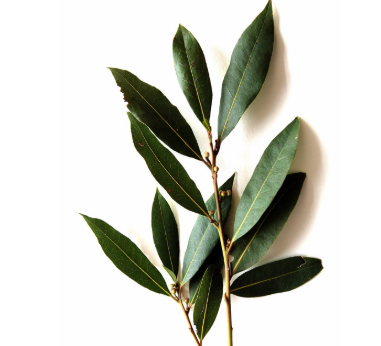 | 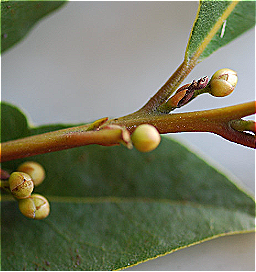 |
Botanical classification (APG IV)
Botanical name: Laurus nobilis L.
Common name: bay laurel, sweet bay, laurel
Family: Lauraceae
Order: Laurales
Modern clades (phylogenetic):
Angiosperms
Magnoliids
Domain: Eukaryota
Kingdom: Plantae
Cultivation and growth conditions
Climate
Bay laurel is characteristic of Mediterranean climates, with mild, relatively wet winters and warm, dry summers. It tolerates brief cold spells, but severe or prolonged frost can damage leaves, buds, and young shoots. It performs best in coastal or temperate hilly areas with moderate air humidity and limited thermal extremes.
Exposure
The plant prefers full sun or bright partial shade. In full sun, foliage is typically denser and more aromatic; in shade, shoots may elongate more and aromatic intensity can be reduced. Sheltered positions, protected from strong, drying winds, help limit leaf scorch and branch breakage.
Soil
Bay laurel is fairly adaptable but grows best in soils that are:
Well drained, without persistent waterlogging;
Of loam or loam-sandy texture;
With a slightly acidic to neutral pH (approx. 6.0–7.5).
Heavy, compacted, or constantly wet soils increase the risk of root rot and slow overall development. A good level of organic matter improves structure, water-holding capacity, and general vigour.
Irrigation
Water requirements are moderate:
In typical Mediterranean conditions, established plants can often be grown with minimal or no irrigation.
Young plants and container-grown specimens, however, need regular watering, especially in summer.
The goal is to keep the soil slightly moist, not saturated. Periods of complete drying-out in containers should be avoided, while sustained waterlogging must also be prevented.
Temperature
Bay laurel grows well with average temperatures between about 15 and 28 °C.
Short dips below 0 °C may be tolerated by established plants, but
Temperatures below about –6/–8 °C can cause leaf burn, dieback of shoots, or death of exposed parts.
In very hot, dry summers, growth may slow if root-zone moisture is inadequate.
Fertilization
Fertility management focuses mainly on:
Organic matter (compost, well-rotted manure) to maintain soil structure and gradual nutrient release;
Nitrogen (N) in moderate amounts, to support vegetative growth without causing excessively soft, disease-prone tissues;
Phosphorus (P) to sustain root system efficiency and regrowth;
Potassium (K) to improve hardiness, tissue robustness, and overall foliage quality.
Fertilization should be adjusted according to soil analysis, plant age, and production goals (ornamental use, leaf harvest, hedging, etc.).
Crop care
Pruning:
Generally light but regular, to maintain a balanced, compact canopy, favour air circulation, and control plant size.
Removal of dead, diseased, or damaged branches is essential for plant health.
More substantial pruning can be used to rejuvenate old plants or to maintain formal hedges and topiary shapes.
Weed management:
Especially important in the establishment phase, when young plants compete poorly with vigorous weeds.
Organic mulches (bark, compost, straw) help suppress weeds, conserve moisture, and improve soil structure over time.
Plant health:
Bay laurel is generally robust, but in very humid conditions leaf spots, bacterial problems, or root rots may occur.
Good drainage, adequate spacing, and balanced nutrition are key preventive tools.
Harvest
Leaves can be harvested throughout the year, preferably from mature, healthy shoots away from sources of contamination. For technical or herbal uses, fully developed, undamaged leaves are selected. They are usually dried in thin layers in a well-ventilated, shaded place to preserve colour and aromatic quality.
Pruning cuts and hedge trimmings often provide additional material that can be sorted and used for leaf harvest.
Propagation
Bay laurel is propagated mainly by:
Semi-hardwood or hardwood cuttings:
Taken in summer or early autumn from healthy, well-ripened shoots;
Rooted in light, well-drained substrates under controlled humidity.
Suckers / division:
Where basal shoots are present, they can be separated and replanted.
Seed:
Used less frequently because germination is slow and variable and offspring may not be uniform;
Mainly of interest for breeding or diversity conservation.
Vegetative propagation (cuttings, selected suckers) ensures greater uniformity in morphology, aroma, and growth habit.
Indicative nutritional values per 100 g (dried leaves)
Energy: approx. 300–330 kcal
Protein: approx. 6–8 g
Total carbohydrates: approx. 45–48 g
Dietary fibre: approx. 25–26 g
Total fat: approx. 8 g
SFA
MUFA
PUFA
Minerals: calcium, iron, magnesium, potassium
Vitamins: vitamin A (as carotenoids), some B-group vitamins
Sodium: low
(These values refer to 100 g dried leaves; typical culinary use is only a few grams or less per recipe.)
Key constituents
Essential oil components
1,8-cineole (eucalyptol), α-pinene, β-pinene, linalool, geraniol, and other mono- and sesquiterpenes
Polyphenols and tannins
flavonoids and other antioxidant compounds
Macronutrients
mainly carbohydrates and dietary fibre, with modest amounts of proteins and lipids
Micronutrients
minerals (calcium, iron, magnesium, potassium)
carotenoids (provitamin A) and some B-group vitamins
Production process
Harvesting
collection of healthy, mature leaves from Laurus nobilis plants
Drying
low-temperature drying, protected from direct light, to preserve essential oil composition and colour
Selection and packing
removal of damaged material, grading and packing as whole or broken leaves
Essential oil extraction
steam distillation of leaves to obtain Laurus Nobilis Leaf Oil, used in food flavourings and cosmetics
Standardisation (for extracts)
possible adjustment of composition to meet analytical specifications (e.g. minimum cineole content)
Physical properties
Elongated, leathery, aromatic leaves
Green to olive-green colour in dried form
Essential oil: clear, highly volatile, strongly aromatic liquid
High fibre content in the dried leaf matrix
Sensory and technological properties
Intense, warm, balsamic and slightly woody aroma
Spicy, slightly bitter and resinous flavour
High aromatic yield at very low doses
Good aroma stability in whole leaves when correctly dried and stored
Suitable for use in long cooking times (soups, stews, braises) as flavour develops in fat–water systems
Food applications
Aromatisation of soups, broths, stews, sauces, meat, fish, legumes and vegetable dishes
Use in pickles and preserved products (e.g. marinades, brines)
Ingredient in herb blends and ready-made seasoning mixes
Use of bay essential oil (within legal flavouring limits) in processed foods and beverages
Laurel oil has been subject to restrictions and, in some cases, bans for use in certain cosmetic products within the European Union due to its content of methyleugenol, which is classified as a sensitizing allergen and raises potential safety concerns at specific exposure levels.
Nutrition & health
Very low caloric contribution at normal use levels
Presence of polyphenols and other antioxidant compounds with potential health interest
Aromatic molecules that may contribute to digestive comfort in traditional usage
Bay leaves are considered safe for culinary use at typical doses; the leaf is often removed before serving, so actual ingestion of leaf tissue is minimal
Fibre intake from bay is negligible in real consumption scenarios, but the leaf structure is highly fibrous
Portion note
Typical use is 1–3 leaves per recipe (pot, stew, sauce), depending on volume and desired flavour intensity.
Due to the strong aroma, higher doses are rarely necessary and may lead to excessive bitterness.
Allergens & intolerances
Bay leaf is not among the major regulated food allergens
Rare individual sensitivities to aromatic components are possible
Concentrated essential oil can be irritating to skin and mucosae at high doses or undiluted use
Potential cross-reactions should be considered only in highly sensitive individuals with broad spice intolerance
Storage & shelf-life
Fresh leaves: best stored refrigerated and used within a relatively short time
Dried leaves:
store in closed containers, protected from light, heat and humidity
shelf-life of months to years, with gradual loss of aroma
Essential oil:store in dark glass bottles, tightly closed
protect from heat and air to limit oxidation and composition changes
Safety & regulatory
Bay leaves as a culinary herb fall under general food safety and hygiene requirements, including HACCP-based systems
Raw material must meet limits for contaminants, pesticide residues and microbiological quality
Bay essential oil used as a food flavouring must comply with flavourings regulations, purity criteria and specific restrictions where applicable
Safe-use levels must be respected, especially for concentrated extracts and essential oils
Labelling
For bay leaf products and bay-flavoured foods, the label should indicate:
ingredient name (e.g. bay leaves, dried bay leaf, natural flavouring)
full ingredient list for food products
net weight, lot number, best-before date
origin, where required or claimed
storage conditions
clear indication of any allergens present from other ingredients
Troubleshooting
Weak aroma in finished dishes
possible causes: old or poorly stored leaves, low quality raw material
corrective actions: use fresher, whole leaves, adjust dosage, review storage conditions
Excess bitterness or overpowering flavour
possible causes: too many leaves or very long contact time in small-volume dishes
corrective actions: reduce dose, remove leaves earlier during cooking
Loss of aroma during storage
causes: exposure to light, heat, air and moisture
corrective actions: use airtight containers, store in a cool, dark place, rotate stock more frequently
Sustainability & supply chain
Bay laurel is a typical Mediterranean species; cultivation or managed wild harvesting should aim to protect plant stands and local ecosystems
The high aromatic yield means that relatively small quantities can flavour large volumes of food, limiting resource use
A traced and controlled supply chain (good agricultural practices, correct drying and storage) supports sustainable and consistent-quality production
Certifications and quality schemes can enhance transparency and market value
Main INCI functions (cosmetics)
From bay leaves and their processing, typical cosmetic ingredients include:
Laurus Nobilis Leaf Oil
fragrance component (spicy, herbal, balsamic note)
potential antioxidant contribution in some formulations
Laurus Nobilis Leaf Extract
botanical extract used for its aromatic, toning and possible antioxidant properties
In cosmetics, use levels and purity must comply with safety assessments and cosmetic regulations, particularly regarding sensitisation and irritation potential.
Conclusion
Bay laurel (Laurus nobilis) is a high-impact aromatic ingredient rich in essential oil, polyphenols and volatile terpenes. At typical culinary doses it has a minimal nutritional impact but a very significant sensory and technological role.
Proper drying, selection and storage allow preservation of its aromatic profile and functional properties for use in both food and cosmetic applications. Compliance with hygiene, safety and labelling requirements ensures reliability and quality along the entire supply chain.
Mini-glossary
SFA – saturated fatty acids; excessive replacement of other fats by SFA may be less favourable for blood lipid balance.
MUFA – monounsaturated fatty acids; generally considered beneficial when replacing part of SFA in the diet.
PUFA – polyunsaturated fatty acids; include omega-3 and omega-6, essential for various physiological processes.
HACCP – Hazard Analysis and Critical Control Points; structured system used to manage food safety risks in production and processing environments.

