



Penicillium is a family of fungi consisting of more than 350 species, important for its ubiquity and role in mycotoxin production, biotechnology, applied research and fermented cheese rind production. Mushrooms play an essential role in the maturation of cured meats and contribute not only to improving taste and characteristics, but also to counteracting product spoilage due to the growth of toxigenic and pathogenic fungi.
Penicillium includes many genres with the same name:
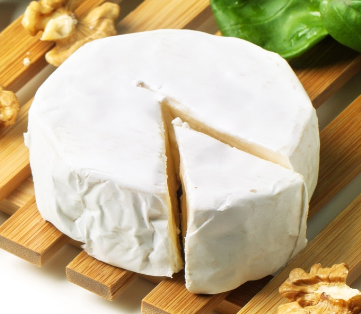
- Penicillium roqueforti, Penicillium camemberti e Penicillium nalgiovense are widely used by the food industry in the production of fresh cheeses and sausages that receive a fermentation treatment with moulds.
- Penicillium solitum from which Fleming isolated penicillin.
- Penicillium funiculosum, Penicillium purpurogenum are important as natural dyes and as producers of cellulases and xylanases (extracellular enzymes), but recently belong to the renamed species Talaromyces.
- Penicillium chrysogenum is able to synthesise secondary metabolites such as β-lactam antibiotics and aids meat fermentation. It produces enzymes relevant to the food industry, such as sulfydryl oxidase, dihydroxyacid dehydratase or glucoamylase (1).
- Penicillium griseofulvum produces an antifungal antibiotic called griseofulvin, isolated in 1946. It also produces cyclopiazonic acid, a neurotoxin and fungal mycotoxin that can be used as a biochemical nematicide.
- Penicillium aurantiogriseum is a pathogen that can be found in cereals and damages strawberries and asparagus.
- Penicillium viridicatum produces aflatoxins including citrinin, a nephrotoxic mycotoxin that can be found in preserved food, cereals, fruit. It also produces cyclopiazonic acid, a neurotoxin and fungal mycotoxin that can be used as a biochemical nematicide.
- Penicillium verrucosum produces aflatoxins including ochratoxin A, a mycotoxin, in wheat, food, damaged conditioners, dried grapes, pork, coffee.
- Penicillium expansum rots fruit and produces patulin, a mycotoxin that especially damages apples.
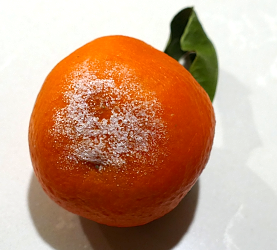
- Penicillium digitatum or green mould, a phytopathogen of citrus fruits.
- Penicillium italicum or blue mould, the most harmful, also a citrus fruit phytopathogen.
- Penicillium marneffei pathogen at significant risk for immunodeficient individuals (2).
- Penicillium janczewskii from which inulin, a polysaccharide substrate used for the production of fructose syrups, is obtained.
- Penicillium urticae produces patulin, a mycotoxin that especially damages apples, but also an antifungal antibiotic called griseofulvin, isolated in 1946.
- Penicillium raistrickii produces penicipiranes, a family containing pyranes, coumarins, flavones and also an antifungal antibiotic called griseofulvin, isolated in 1946.
- Penicillium raciborskii produces type A, B and C antifungal outovirins similar to gliovirin and also an antifungal antibiotic called griseofulvin, isolated in 1946.
- Penicillium kapuscinskii produces the antifungal antibiotic called griseofulvin, isolated in 1946.
- Penicillium albidum produces albidine, a red antibiotic pigment active against Botrytis allii (3) and also produces the antifungal antibiotic called griseofulvin, isolated in 1946.
- Penicillium melinii is an aquatic fungus collected in the Sea of Okhotsk, Pacific Ocean, containing an interesting enzyme (4) and also produces the antifungal antibiotic called griseofulvin, isolated in 1946.
- Penicillium brefeldianum. The crude extract of this interesting endophytic fungus exhibits significant antioxidant and α-glycosidase inhibition activities as well as tyrosine phosphatase, protein and enzyme group (5). It also produces the antifungal antibiotic called griseofulvin, isolated in 1946.
- Penicillium commune, endophytic fungus, the best known mould that is created on cheese, meat, nuts. It also produces cyclopiazonic acid, a neurotoxin and fungal mycotoxin, but can be used as a biochemical nematicide (6).
- Penicillium gravinicasei is a fungus recently isolated during research on mature cheeses in Gravina di Puglia, Italy (7).
- Penicillium citrinum derived from ergot is a fungus from which ergotamine-derived alkaloid pharmaceutical agents used to treat postpartum bleeding and to increase the strength of uterine contractions during childbirth can be synthesised (8).
- Penicillium salamii can create mould on cured salami and during their maturation (9).
- Penicillium olsonii, fungal endophyte, it can attack beans, tomatoes and sausages, but is a biocontrol agent for Fusarium head blight in wheat and is therefore considered a biological alternative in wheat disease control (10).
- Penicillium milanense isolated in cured meats in Slovenia and Denmark.
- Penicillium brevicompactum is capable of producing mycotoxins in sausages.
- Penicillium chrysogenum hyphomycete fungus that can develop on fruit, vegetables, cereals, cheese, margarine and more (11).
- Penicillium subrubescens a new species that efficiently produces inulinase (12).
The species Talaromyces includes:
- Talaromyces ruber, suitable for enzyme production.
- Talaromyces amestolkiae was found to be potentially pathogenic for immuno-compromised.
- Talaromyces stollii was found to be potentially pathogenic for immuno-compromised.
The most relevant studies on fungi have been selected with a summary of their contents:

