



Lentil (Lens culinaris)
Description
The lentil (Lens culinaris) is a small annual legume of the Fabaceae family and one of the oldest cultivated crops in human history. It is widely grown across the Mediterranean basin, Western Asia and the Middle East, where it has adapted to dry climates, moderate rainfall and relatively poor, well-drained soils. Despite its modest appearance, the lentil is a key symbol of traditional agriculture, resilience and dense, affordable nutrition.
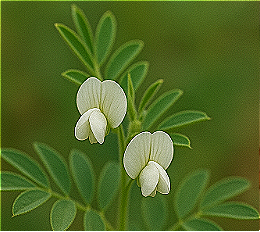
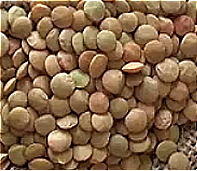
The plant has a delicate, herbaceous habit, rarely exceeding 40–50 cm in height. Its stems are thin and branching, bearing compound leaves with small, oval or slightly elongated leaflets, often with a soft bluish-green hue. The flowers are small, typically white or pale lilac, and give rise to flattened pods, each usually enclosing 1–3 seeds. These seeds are the edible portion: small, lens-shaped and firm, ranging in colour from green and brown to red, orange or black depending on the cultivar.
The seed is compact and dense, with a dry, slightly earthy aroma when raw that becomes warm and comforting during cooking. Cooked lentils have a characteristic nutty, mildly sweet taste, with gentle earthy and toasted notes that adapt easily to both rustic and modern recipes. Their structure ranges from firm to creamy, depending on the variety and cooking time, making them suitable for soups, salads, stews, purees and even baked or extruded products.
Agronomically, lentils are robust and frugal: they tolerate relatively harsh conditions, require modest external inputs and contribute to soil fertility through biological nitrogen fixation typical of legumes. Culturally and nutritionally, they have long been considered a staple of Mediterranean and Near Eastern diets, valued as a compact, storable and highly nutritious source of plant protein and complex carbohydrates that helped sustain populations over centuries.
 |  |
Botanical classification (APG IV system)
Common name: Lentil
Botanical name: Lens culinaris Medik.
Kingdom: Plantae
Clade: Angiosperms → Eudicots → Rosids → Fabids
Order: Fabales
Family: Fabaceae
Genus: Lens
Species: Lens culinaris Medik.
Indicative nutritional values per 100 g (dry lentils)
| Component | Approx. value per 100 g |
|---|---|
| Energy | ~ 350–360 kcal |
| Total carbohydrates | ~ 60–63 g |
| — of which sugars | ~ 2 g |
| Dietary fibre | ~ 8–11 g |
| Proteins | ~ 24–26 g |
| Total fats | ~ 1–2 g |
| — of which saturated fatty acids (SFA) | ~ 0.2–0.3 g |
| — monounsaturated (MUFA) | trace |
| — polyunsaturated (PUFA) | ~ 0.7–0.9 g |
| Sodium | very low |
| Potassium | ~ 850–900 mg |
| Calcium | ~ 50–60 mg |
| Magnesium | ~ 45–50 mg |
| Phosphorus | ~ 300–310 mg |
| Iron | ~ 6–8 mg |
| Zinc | ~ 3–4 mg |
| Vitamin B1 (thiamine) | present |
| Vitamin B6 | present |
| Folates | high amount |
Values may vary depending on cultivar, geographical origin, drying level and analytical method.
Lentils are appreciated for their relevant protein content, significant fibre, notable mineral supply (especially iron, phosphorus and potassium) and very low lipid fraction, largely unsaturated.
Mini-glossary of acronyms
SFA = Saturated fatty acids. When they replace unsaturated fats in the diet, they are associated with a less favourable cardiovascular profile.
MUFA = Monounsaturated fatty acids. Generally regarded as more suitable than saturated fats when replacing them.
PUFA = Polyunsaturated fatty acids. Include omega-6 and omega-3, essential in small amounts and involved in cell membrane structure and inflammatory regulation.
Climate
Lentil is a legume typical of semi–arid and temperate environments, where it adapts well to low rainfall conditions and relatively mild winters. It prefers a cool climate in the early growth stages and drier conditions near seed ripening. It tolerates moderate cold fairly well at the beginning of the cycle, but is more sensitive to late frosts during flowering and pod set, which can reduce yield.
Exposure
The ideal exposure is full sun, which promotes compact growth and good flowering. In overly shaded positions, plants tend to become elongated and weaker and show lower pod production. Good field aeration helps to limit humidity on the aerial parts and reduces the risk of fungal diseases.
Soil
Lentil adapts to different soil types, but performs best in moderately fertile, well–drained soils of medium texture or slightly light soils. It tolerates relatively poor and slightly calcareous soils, provided they are not subject to waterlogging. Very compact or heavy clay soils increase the risk of root asphyxia and lodging, especially at maturity.
Irrigation
In many areas, lentil is grown under rainfed conditions, relying on seasonal rainfall. Where irrigation is used, it should be limited to the most sensitive stages, such as emergence and early growth, keeping the soil only moderately moist. Excess water, especially close to maturity, can favour disease development and complicate mechanical harvesting.
Temperature
The optimal temperature range for germination and early development is generally between 10 and 20 °C. The crop tolerates higher values in later stages, provided there is no severe water stress. Late frosts during flowering or pod set can damage flowers and reduce the number of seeds per pod, while prolonged rainfall at maturity can cause delays, lodging and quality problems in the harvested seed.
Fertilization
As a legume, lentil is able to fix atmospheric nitrogen through symbiosis with rhizobia and therefore has relatively low requirements for mineral nitrogen. It is important to ensure an adequate supply of phosphorus and potassium, which support rooting, flowering and seed quality. In very poor soils, a modest input of well–matured organic matter before sowing can be useful, avoiding excess that would promote too much vegetative growth at the expense of yield.
Crop care
Crop care focuses mainly on controlling weeds, which are particularly competitive in the early growth stages, using light hoeing or other suitable weeding methods. It is important to avoid soil compaction, maintaining a good structure to support the root system. Crop rotation with other species (cereals, oilseeds) helps to reduce pest and disease pressure and contributes to improving soil fertility.
Harvest
Harvesting is carried out when the pods are fully mature, yellow–brown in colour, and seeds have a moisture content suitable for storage. Maturation can be slightly uneven across plants, so a compromise stage is chosen when most pods are mature, without waiting too long to avoid increased risk of pod dehiscence and seed loss. Depending on the scale of cultivation, harvesting may be manual or mechanised.
Propagation
Propagation is by seed, with direct sowing in the field on well–prepared, levelled soil. Seeds are usually sown in rows, with density adjusted according to cultivar and local conditions. It is important to use healthy, well–cleaned seed with good germination capacity and to schedule sowing so that the crop cycle falls within the most favourable season for maturation and harvest.
Indicative nutritional values per 100 g
(dry lentils, average values)
Energy: ~ 320–350 kcal
Water: ~ 8–12 g
Total carbohydrates: ~ 55–60 g
Dietary fiber: ~ 10–12 g
Protein: ~ 23–26 g
Total fat: ~ 1–2 g
SFA: low
MUFA: low
PUFA: predominant within the small fat fraction
Minerals (approximate ranges):
iron: ~ 6–8 mg
phosphorus: ~ 300–370 mg
calcium: ~ 60–70 mg
potassium: ~ 600–800 mg
Vitamins: folate (vitamin B9), thiamine (B1), vitamin B6, small amounts of vitamin E and carotenoids
Values vary by cultivar, origin, processing and analytical reference, but lentils consistently appear as a nutrient-dense, protein-rich legume.
Key constituents
Plant proteins (roughly 20–30% of dry matter), mainly globulins and albumins
Complex carbohydrates, especially starch
Dietary fiber, both soluble and insoluble
Minerals: iron, magnesium, potassium, zinc, phosphorus, manganese
Vitamins: folate, B-group vitamins, small amounts of fat-soluble vitamins
Phytochemicals: polyphenols, flavonoids, phytosterols
Minor lipid fraction with a predominance of unsaturated fatty acids
Production process
Cultivation
prefers cool seasons with moderate rainfall
grows best in light to medium, well-drained soils
often cultivated in rotation with cereals to improve soil structure and fertility
Sowing
direct seeding in the field, typically in late winter or early spring in temperate climates
Growth
development of low, branching plants with fine foliage
relatively low water requirements compared with many other crops
Harvesting
carried out when pods have yellowed and dried and seeds are fully mature and firm
plants are cut or pulled, then dried if necessary before threshing
Cleaning and grading
removal of foreign matter (stones, soil, broken seeds)
sorting by size, colour and quality
Packaging
whole lentils are packed in bags, boxes or bulk containers
some are further processed into split lentils, flours or protein concentrates
Physical properties
small, lens-shaped seeds, smooth and hard when dry
sizes and colours vary according to variety (green, brown, red, orange, black, mottled)
low moisture content → excellent shelf stability
internal structure rich in starch and protein, with seed coat (hull) and cotyledons as main fractions
Sensory and technological properties
flavour: nutty, mildly sweet, earthy, with light roasted notes after cooking
aroma: warm and legume-like, accentuated by slow cooking and seasoning
texture: can range from firm and discrete (salads, pilafs) to soft and creamy (soups, purees)
high capacity to absorb flavours, herbs and spices
good functionality in:
thickening soups and stews
forming structured vegetable patties or meat analogues
producing lentil flours for baked goods, snacks and pasta
suitable for sprouting, which modifies flavour and nutrient profile
Food applications
soups, stews, curries and dals
warm or cold salads
purees, spreads and dips
vegetable-based patties, burgers and meat alternatives
side dishes combined with grains (rice, bulgur, quinoa, etc.)
flours for baked goods, snacks, pasta and extruded products
sprouted lentils in salads and cold dishes
Nutrition and health
Lentils are widely recognised as a nutrient-dense food with an advantageous balance of plant protein, fiber, complex carbohydrates and micronutrients.
Key aspects:
Protein: contributes significantly to daily protein intake and is especially valuable in vegetarian and vegan diets; combining lentils with cereals improves overall amino acid balance.
Dietary fiber: supports intestinal function, satiety and modulation of postprandial glycaemia.
Complex carbohydrates: provide sustained energy with a relatively low glycaemic index compared with many refined carbohydrate sources.
Minerals and vitamins: lentils are a good source of iron, folate and other B vitamins, which support blood formation and energy metabolism.
Within a balanced diet, lentils help support weight management, metabolic health and cardiovascular risk reduction when used to replace more energy-dense and saturated fat-rich foods.
Portion note
A common serving size for dry lentils is about 50–70 g per person (uncooked), which corresponds to roughly 150–200 g cooked once water is absorbed. Actual portion size may vary depending on whether lentils are used as a side dish, main protein source or component of mixed dishes.
Allergens and intolerances
lentils are legumes and may cause reactions in individuals with legume allergies (particularly in people also sensitive to peanuts or other pulses)
some individuals may experience digestive discomfort (gas, bloating) due to fermentable carbohydrates and fiber; soaking and proper cooking can improve tolerance
lentils are naturally gluten-free, making them suitable for coeliac diets, provided there is no cross-contamination in processing
Storage and shelf-life
store in a cool, dry place, away from direct sunlight and moisture
whole dry lentils, in intact packaging, typically have a shelf-life of 1–2 years or more, depending on storage conditions
after opening, keep in well-closed containers (e.g. glass jars or sealed canisters)
over very long storage, lentils may become slower to cook and slightly harder in texture but remain safe if free from mould and pests
Safety and regulatory
lentils are widely recognised as a safe, traditional food
must comply with general food safety regulations for contaminants, pesticide residues and hygiene performance
in processed forms (e.g. lentil protein concentrates), regulatory authorities evaluate whether products are considered traditional or novel; current assessments in the EU/UK recognise lentil protein as not novel, provided conventional processes are used
Labeling
For packaged lentils or lentil-based products, labels typically include:
product name: lentils (often with indication of type/colour, e.g. green, red, brown)
botanical reference: Lens culinaris (optional but common in technical documentation)
net weight
country of origin and/or region (if required)
best-before date
storage instructions
cooking or soaking instructions (where applicable)
full ingredient list for processed foods, highlighting any added allergens
Troubleshooting
In the kitchen
lentils remain too hard after cooking →
very old product, insufficient soaking (for some types), or cooking time too short; extend cooking and ensure adequate water and simmering
lentils break up too much →
variety with lower structural integrity (e.g. some red split lentils) or excessive cooking time; choose whole, firm varieties for salads and pilafs
flat or dull flavour →
toast briefly before cooking, use aromatic bases (onion, garlic, herbs, spices) and adjust salt/acidity (e.g. tomatoes, lemon) near the end of cooking
In storage
musty odour or visible mould →
exposure to moisture; discard the product
insect presence (weevils, pests) →
inadequate storage in warm, humid conditions; discard contaminated product and improve storage (cool, dry, sealed containers)
Main INCI functions (cosmetics)
In cosmetics, ingredients derived from lentils may appear as lentil extract, lentil ferment or similar, and can be used for:
skin conditioning: contributing to skin softness and comfort
inclusion in “plant-based” or “superfood” cosmetic lines, as a marketing and conceptual asset
potential support in sebum-regulating or mattifying formulations, depending on extract type and associated studies
Their cosmetic role, however, is minor compared with the primary nutritional role of lentils as a food.
Conclusion
The lentil (Lens culinaris) is a cornerstone of traditional and modern diets, combining agronomic resilience, culinary versatility and high nutritional value. Adapted to relatively dry and modest environments, lentil plants produce compact seeds that concentrate protein, complex carbohydrates, fiber, minerals and vitamins in a form that is easy to store, transport and cook.
From rustic soups and stews to refined salads, spreads and plant-based innovations, lentils bridge the gap between heritage and contemporary nutrition, offering a sustainable, affordable way to increase plant protein and fiber intake. Their long history of use and broad culinary acceptance make them a central ingredient for balanced eating patterns focused on health, satiety and dietary diversity.
Mini-glossary
Fabaceae: botanical family of legumes that includes lentils, peas, beans and many other species
Dietary fiber: indigestible carbohydrate fraction that supports intestinal health, satiety and glycaemic control
Globulins / albumins: main classes of storage proteins in lentils and other legume seeds
Glycaemic index: measure of how quickly a carbohydrate-containing food raises blood glucose levels
Skin conditioning: cosmetic function describing ingredients that help maintain the skin in a soft, comfortable and healthy-looking state
Studies
Lentil (Lens culinaris) is a vegetable belonging to the Fabaceae family and provides interesting quantities of polyphenols, plant metabolites with antioxidant properties.
Polyphenols have a key role in the prevention of degenerative diseases in man.
In 100 grams of lentils we find various compounds listed with the quantity in milligrams (1) referred to the raw product. The cooked product has about 1/3 less quantity.
Minerals
- Potassium 677-943 mg
- Phosphorus 281-335 mg
Vitamins
- Folates 479-555 mg
- Vitamin A,IU 32-39 mg
Phytosterols
- stigmasterol 20 mg
- campesterol 15 mg
- beta-sitosterol 15-24 mg
Flavonoids
- kaempferol 0,24-13,20 mg
- quercetin 0,03-10,85 mg
and also
Phytic acid 620 mg
The results of this study indicate that aerial parts of lentils may be recommended as a source of bioactive substances.In particular, the green parts of lentils have been shown to contain several acylated flavonoids. with antioxidant and anticoagulant properties (2).
Replacing one-half of available carbohydrates from high-glycemic index foods such as rice and potatoes with lentils significantly attenuates the postprandial blood glucose response in healthy adults; this may contribute to blood glucose lowering (3).

