



Coco-caprylate/caprate: properties, uses, pros, cons, safety
Coco-caprylate/caprate is a chemical compound, a mixture of esters resulting from the reaction of coconut alcohol fatty acids with caprylic acid ( C8H16O2) and capric acid (C10H20O2).
Coco-Caprylate/Caprate is a light emollient of vegetable origin, derived from the fatty acids present in coconut oil. This ingredient is commonly used in cosmetic and skincare products due to its ability to improve the texture of formulations, leaving the skin soft and silky without greasy residues. It is especially favored in creams, lotions, and body oils for its quick absorption, providing a smooth touch and a non-greasy feel.
Chemical Composition and Structure
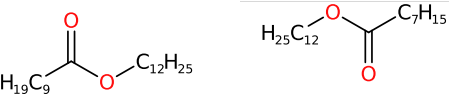
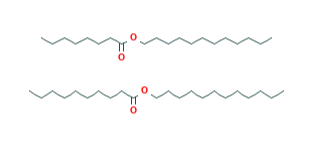
Coco-Caprylate/Caprate is a mixture of medium-chain fatty acid esters, primarily caprylic acid (C8) and capric acid (C10), combined with alcohols derived from coconut oil. Its chemical structure is characterized by a relatively short hydrocarbon chain, giving it low viscosity and high compatibility with the skin.
- Coco comes from the coconut and indicates that the source of this ingredient is coconut oil.
- 'Caprylate' and 'Caprate' are esters formed by the condensation of a carboxylic acid and an alcohol. In this case, the carboxylic acids are caprylic acid and capric acid, fatty acids found in coconut oil. The alcohol is probably a form of glycerol.
Production Process
Coco-Caprylate/Caprate is obtained through an esterification process, in which caprylic and capric fatty acids, derived from coconut oil, are combined with fatty alcohols. This process produces light, non-greasy esters that are ideal for use in cosmetic formulations. The esterification process ensures that the ingredient maintains its stability and effectiveness in providing a smooth and lightweight texture in skincare products.
- Extraction of coconut oil: The first step involves extracting the oil from the coconut. Typically, this is done by squeezing the pulp of the coconut to extract the oil.
- Hydrolysis of the coconut oil: The coconut oil is hydrolysed, which involves breaking down the triglycerides in the oil into their component fatty acids and glycerol.
- Esterification: The fatty acids (caprylic acid and capric acid) are reacted with an alcohol in a process called esterification to form the caprylate and caprate esters.
- Purification: The resulting product is purified to remove any unreacted materials and by-products.
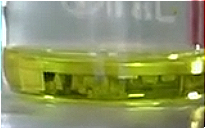
It appears as a light, colourless to yellow transparent oil or as a fine white powder.
What it is used for and where
Cosmetics
It is used in cosmetic products, mainly in hand and face creams. and its function is to emollient, soften the skin and leave it dry. It is therefore a rather light emollient with excellent spreadability and a substitute for silicone oil.
- Skin conditioning agent. It is the mainstay of topical skin treatment by restoring, increasing or improving skin tolerance to external factors, including melanocyte tolerance. The most important function of the conditioning agent is to prevent skin dehydration, but the subject is rather complex and involves emollients and humectants.
- Skin conditioning agent - Emollient. Emollients have the characteristic of enhancing the skin barrier through a source of exogenous lipids that adhere to the skin, improving barrier properties by filling gaps in intercorneocyte clusters to improve hydration while protecting against inflammation. In practice, they have the ability to create a barrier that prevents transepidermal water loss. Emollients are described as degreasing or refreshing additives that improve the lipid content of the upper layers of the skin by preventing degreasing and drying of the skin. The problem with emollients is that many have a strong lipophilic character and are identified as occlusive ingredients; they are oily and fatty materials that remain on the skin surface and reduce transepidermal water loss. In cosmetics, emollients and moisturisers are often considered synonymous with humectants and occlusives.
Safety
As with all chemical compounds, there may be cases of allergy or intolerance.
Health and Safety Considerations
Safety in Use
Coco-Caprylate/Caprate is generally considered safe for use in cosmetics and personal care products. It is well tolerated by the skin and rarely causes irritation or allergic reactions. Major regulatory authorities, such as the European Union and the FDA, allow its use in cosmetics at standard concentrations.
Allergic Reactions
Allergic reactions to Coco-Caprylate/Caprate are very rare due to its natural origin and high skin tolerance. It is suitable for use on sensitive skin.
Toxicity and Carcinogenicity
It has been extensively tested and is considered safe for long-term cosmetic use.
Environmental Considerations
Coco-Caprylate/Caprate is biodegradable and considered environmentally friendly, especially when produced from renewable plant-based sources like coconut oil. It is an eco-friendly alternative to mineral oils or petroleum-derived ingredients.
Regulatory Status
Coco-Caprylate/Caprate is approved for use in cosmetics by major regulatory authorities, including the European Union and the FDA in the United States. It is commonly used in a wide range of skincare and haircare formulations.
Typical optimal commercial product characteristics Coco-caprylate/caprate liquid
| Appearance | White liquid |
| Chroma (APHA) | Max.50 |
| Acid value (mgKOH/g) | Max.0.1 |
| Saponification value (mgKOH/g) | 160-170 |
| Hydroxyl value (mgKOH/g) | Max.1 |
| Iodine value (g/100g) | Max.0.5 |
 |  |
 |
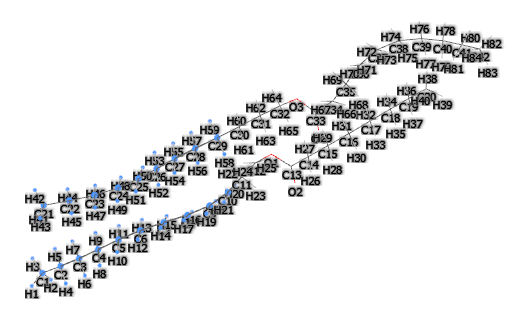
- Molecular Formula C42H84O4
- Molecular Weight 653.13 g/mol
- CAS 95912-86-0
- UNII 8D9H4QU99H
- EC Number 306-082-7
- DSSTox Substance ID
- IUPAC dodecyl decanoate;dodecyl octanoate
- InChI=1S/C22H44O2.C20H40O2/c1-3-5-7-9-11-12-13-15-17-19-21-24-22(23)20-18-16-14-10-8-6-4-2;1-3-5-7-9-10-11-12-13-15-17-19-22-20(21)18-16-14-8-6-4-2/h3-21H2,1-2H3;3-19H2,1-2H3
- InChl Key XJFGDLJQUJQUEI-UHFFFAOYSA-N
- SMILES CCCCCCCCCCCCOC(=O)CCCCCCC.CCCCCCCCCCCCOC(=O)CCCCCCCCC
- MDL number
Synonyms :
- Fatty acids, C8-10, C12-18-alkyl esters
- dodecyl decanoate;dodecyl octanoate

