



Spelt was one of Europe's most important cereals in the early 20th century, but was gradually replaced by wheat for its better cooking qualities. Spelt is an ancient type of wheat, also known as Triticum spelta, valued for its nutty flavor and chewy texture. It's a popular choice in health-conscious cooking, often used as a substitute for wheat in grain-based dishes due to its superior nutritional profile and digestibility. Although it contains gluten, some people with gluten sensitivities find spelt more tolerable than other grains.
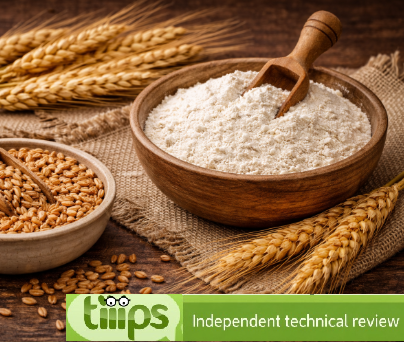
Over time, the food industry has used different varieties of spelt:
Triticum spelta L. (Triticum aestivum ssp. spelta L. em Thell.)
Triticum dicoccum Schrank
Triticum monococcum L.
Botanical classification
Common name: spelt, dinkel wheat
Scientific name: Triticum spelta
Family: Poaceae (Gramineae)
Genus: Triticum
Origin: temperate areas of Western Asia and the Mediterranean basin, later spread to Central Europe
Growth habit: annual cereal, with erect culms usually 80–140 cm tall, long compact spike, hulled grain (caryopses tightly enclosed by adhering glumes)
Cultivation and growing conditions
Climate
Prefers temperate to cool–temperate climates.
More rustic than common wheat: tolerates winter cold well and performs on poorer soils.
Well adapted to cool hilly and montane areas, where common wheat often gives mediocre results.
Exposure
Requires full sun for good tillering and proper grain filling.
In shaded locations it becomes lanky, lodges more easily and yields less.
Soil
Adapts to many soil types, but does best in medium or light, well-drained soils.
More tolerant than other wheats of relatively poor or slightly acidic soils, though it yields more in moderately fertile soils.
Does not like prolonged waterlogging or severe soil compaction.
Irrigation
Traditionally grown under rainfed conditions, relying on autumn–spring rainfall.
In very dry regions, a supplementary irrigation at stem elongation/heading can improve yield and grain filling.
Generally more drought-tolerant than common wheat, but prolonged drought during flowering and grain filling is detrimental.
Temperature
Optimal germination and early development between 8 and 18 °C.
Autumn–sown (winter) types require a period of moderate cold (vernalisation) to complete the cycle.
Tolerates winter cold well, especially in well-established young stands.
Fertilization
Less demanding in nitrogen than modern bread wheats and well suited to low-input or organic systems.
A good supply of phosphorus and potassium before sowing is important.
Excess nitrogen increases lodging and favours fungal diseases, without real benefits for quality.
Crop management
Requires a well-prepared seedbed, with fine tilth and level surface.
Autumn sowing (October–November, depending on region) is most common; late winter/spring sowing is possible with suitable varieties.
Usually shows good competitiveness against weeds thanks to vigorous tillering; in early stages, where needed, mechanical weeding (organic) or selective herbicides (conventional) can be used.
In crop rotations it helps break weed and disease cycles compared with other cereals.
Harvest
Typically harvested between late June and August, depending on sowing time and location.
Grain is harvested hulled, i.e. still enclosed in tightly adhering glumes, and must be dehulled to obtain naked kernels.
Harvest timing is chosen when spikes are fully mature and grain moisture is suitable (avoiding both overly early harvest and excessive drying with grain loss).
Propagation
Propagated exclusively by seed.
Healthy, certified seed is important to limit fungal diseases (e.g. bunt, rusts).
Sowing rate and density are adjusted according to soil fertility, variety and sowing date (higher rates for late sowing).
Indicative nutritional values per 100 g (hulled dry spelt grain)
Energy: ~330–360 kcal
Water: ~10–12 g
Total carbohydrates: ~60–70 g
starch: predominant fraction
simple sugars: ~1–3 g
Protein: ~12–17 g (depending on variety and growing conditions)
Total dietary fibre: ~8–11 g
Total fat: ~2–3 g
SFA: minor fraction
MUFA: moderate share (e.g. oleic acid)
PUFA: relevant share, mainly linoleic acid (n-6)
TFA (natural trans fatty acids): negligible
Vitamins: B-group vitamins (thiamine, niacin, folate, etc.), vitamin E in the germ lipid fraction
Minerals: phosphorus, magnesium, manganese, iron, zinc, potassium
(Values refer to whole, hulled grain; refined flours have lower fibre and micronutrient content.)
Key constituents
Macronutrients
starch as the main energy source
gluten-forming proteins (gliadins and glutenins)
insoluble fibre (bran) plus a smaller soluble fibre fraction
Lipid fraction
unsaturated fatty acids (especially linoleic and oleic acids)
small amounts of SFA (e.g. palmitic acid)
tocopherols (vitamin E) located mainly in the germ
Micronutrients
B-group vitamins (B1, B2, B3, B6, folates)
minerals: phosphorus, magnesium, potassium, iron, zinc, copper, manganese
Phytochemicals
phenolic acids (e.g. ferulic acid) bound to the fibre fraction
lignans and other components associated with bran
Production process
Cultivation
Typically autumn sowing in temperate regions, with a winter–spring growth cycle.
Good rusticity, tolerance to poorer soils and cool conditions.
Well suited to low-input and organic systems.
Harvesting
Combine harvesting at full grain maturity when moisture content is suitable for storage.
Post-harvest
Drying (if needed) to around 12–14 % moisture.
Dehusking (dehulling) to remove the tightly adhering hulls and obtain “hulled/decorticated” spelt grain.
Cleaning, sizing and sorting of grain.
Processing
Milling to wholemeal, semi-wholemeal or refined flours.
Production of semolina for pasta and extruded products.
Flaking, pearling or pre-cooking for “ready-to-cook” grains.
Storage
Grain stored in silos or suitable bags in cool, dry, ventilated conditions.
Flours and semolina packed in moisture- and light-protective packaging.
Physical properties
Hulled grain: elongated kernels, straw-yellow to amber in colour.
Bulk density and grain size similar to wheat, with a relatively higher bran fraction in wholemeal products.
Flour: cream–beige colour, often slightly darker than standard refined wheat flour.
Rheology: gluten generally less “strong” and elastic than in some modern bread wheats, affecting dough handling and loaf volume.
Sensory and technological properties
Aroma: pronounced cereal aroma with light nutty and malty notes.
Taste: full, slightly sweet and “rustic”, more characterful than common wheat.
Technological functionality:
suitable for bread, flatbreads, focaccia, crackers, biscuits and cakes, often alone or blended with other flours,
good aptitude for pasta making (spelt pasta), with a slightly rougher texture and marked flavour,
whole grains have cooking times comparable to other whole cereals (roughly 20–40 minutes, depending on format and pre-treatment).
Food applications
Whole or cracked grains:
grain salads, soups, stews and hot or cold one-dish meals.
Spelt flours:
bread, rolls, pizza, focaccia, crackers, breadsticks,
biscuits, cakes, muffins and other baked goods,
fresh and dried pasta (100 % spelt or blends).
Industrial derivatives:
flakes for muesli and breakfast cereals,
wholegrain and “wellness” products in bakery and snacks.
Nutrition and health
High fibre content supports normal bowel function and promotes higher satiety compared with refined cereal products.
Protein contributes to maintenance of muscle mass and normal body functions; however, spelt contains gluten and is not suitable for people with coeliac disease.
The modest lipid fraction is predominantly unsaturated; within a balanced diet, this profile is considered more favourable than a higher SFA proportion.
B-group vitamins and minerals (magnesium, iron, zinc) support energy metabolism, reduction of tiredness and normal nervous system function.
Regular consumption of wholegrain cereals, including whole spelt, is associated in the literature with better weight management and reduced risk of certain chronic diseases when combined with an overall healthy lifestyle.
Portion note
Dry hulled spelt grain (for cooking): about 60–80 g per adult serving (corresponding to roughly 150–200 g cooked).
Spelt pasta or bread: similar portions to wheat-based products (e.g. ~80–100 g dry pasta, 40–60 g bread per serving), to be adjusted according to individual energy needs.
Allergens and intolerances
Spelt contains gluten (wheat-type proteins):
not suitable for people with coeliac disease,
not suitable for those with wheat allergy or non-coeliac gluten sensitivity.
As with other cereals, cross-contamination with additional allergens (e.g. soy, tree nuts, sesame) may occur depending on processing equipment; labels should always be checked.
Storage and shelf-life
Hulled grain:
store in a cool, dry place away from direct light and pests; under good conditions, shelf-life can be several months.
Spelt flours:
more sensitive to oxidation and rancidity of the lipid fraction, especially wholemeal flours,
typical shelf-life 3–9 months depending on extraction rate (wholemeal is more delicate) and storage conditions.
Finished products (bread, pasta, snacks):
shelf-life depends on formulation (water content, fats, preservatives, packaging); fresh bread has short shelf-life, whereas dry pasta and crackers are more stable.
Safety and regulatory
All steps of cultivation, harvesting, storage and processing must comply with GMP and HACCP principles, with particular attention to:
mycotoxin contamination (e.g. deoxynivalenol, ochratoxin A),
foreign bodies and physical contaminants,
microbiological quality during storage and processing.
Products targeted at specific groups (e.g. high-fibre, organic, low-salt) must comply with relevant legislation and conditions for nutritional and health claims.
Labelling
Spelt-based products should include:
sales name (e.g. “spelt grain”, “hulled spelt”, “spelt flour”),
full ingredient list in descending order by weight,
clear indication of the presence of gluten (generally through the cereal name itself, according to local rules),
nutrition declaration (energy, fat, carbohydrates, fibre, protein, salt),
information on origin, production methods (e.g. “organic”) and any nutrition/health claims only if compliant with legislation.
Troubleshooting
Over-firm or mushy cooked grains
Causes: inappropriate cooking time, inadequate soaking, variation in dehulling degree.
Solutions: test-cook for each batch, adjust soaking and cooking times, provide clear on-pack cooking instructions.
Poorly risen or dense spelt bread
Causes: weaker gluten network than in strong bread wheats, suboptimal hydration or fermentation.
Solutions: adjust hydration and mixing/fermentation times, use preferments, or blend with stronger flours where appropriate.
Rancid or “old” flour flavour
Causes: oxidation of the lipid fraction due to prolonged or inadequate storage.
Solutions: shorten storage times, improve conditions (cool, dry, protected from light), rotate stock more frequently.
Sustainability and supply chain
Spelt is regarded as a relatively rustic crop, well suited to low-input and organic systems and adaptable to marginal soils.
As part of crop rotations, it supports soil structure and can help reduce weed and disease pressure compared with intensive monocultures.
Lower input use in many spelt supply chains (especially organic) can translate into reduced overall environmental impact.
Processing by-products (bran, fine screenings) can be used in animal feed or as fibre-rich ingredients, improving resource efficiency.
Proper management of process water and effluents, including monitoring of BOD and COD, contributes to the environmental sustainability of milling and processing plants.
Main INCI functions (cosmetics)
(Mainly referring to wheat/spelt-derived cosmetic ingredients.)
skin conditioning – supports skin hydration and comfort through water-soluble components (starches, partially hydrolysed proteins).
film forming – some protein/starch fractions form a light surface film that can improve skin feel.
antioxidant – phenolic compounds and vitamin E (if germ components are present in the extract) can help protect the product from oxidation.
hair conditioning – hydrolysed wheat/spelt proteins are used to improve hair combability and visual appearance.
Conclusion
Content and composition of bioactive compounds is reported to vary depending on the geographical location, seasonal variations, varieties used, and the analytical methods followed (1).
Spelt contains, especially in its bran, the outer layer, monounsaturated fatty acids that reduce the risks of arteriosclerosis and lower cholesterol.
Discrete concentrations of zinc and iron were detected in the grains (2).
This study compared 6 different varieties of spelt and concluded that all analyzed spelt varieties possessed high antioxidant potential. In spite of the fact that bound phenolic acids possessed higher antioxidant activities, analysis of antioxidant potential and their relationship with phenolic acid content showed that free phenolics were more effective (3).
The pattern of Triticum monococcum gliadin proteins is sufficiently different from those of common hexaploid wheat to determine a lower toxicity in celiac disease patients following in vitro simulation of human digestion (4).

